 Anacortes Exterior
 Exterior Work on Similk Bay: A Different Kind of Weather Exposure
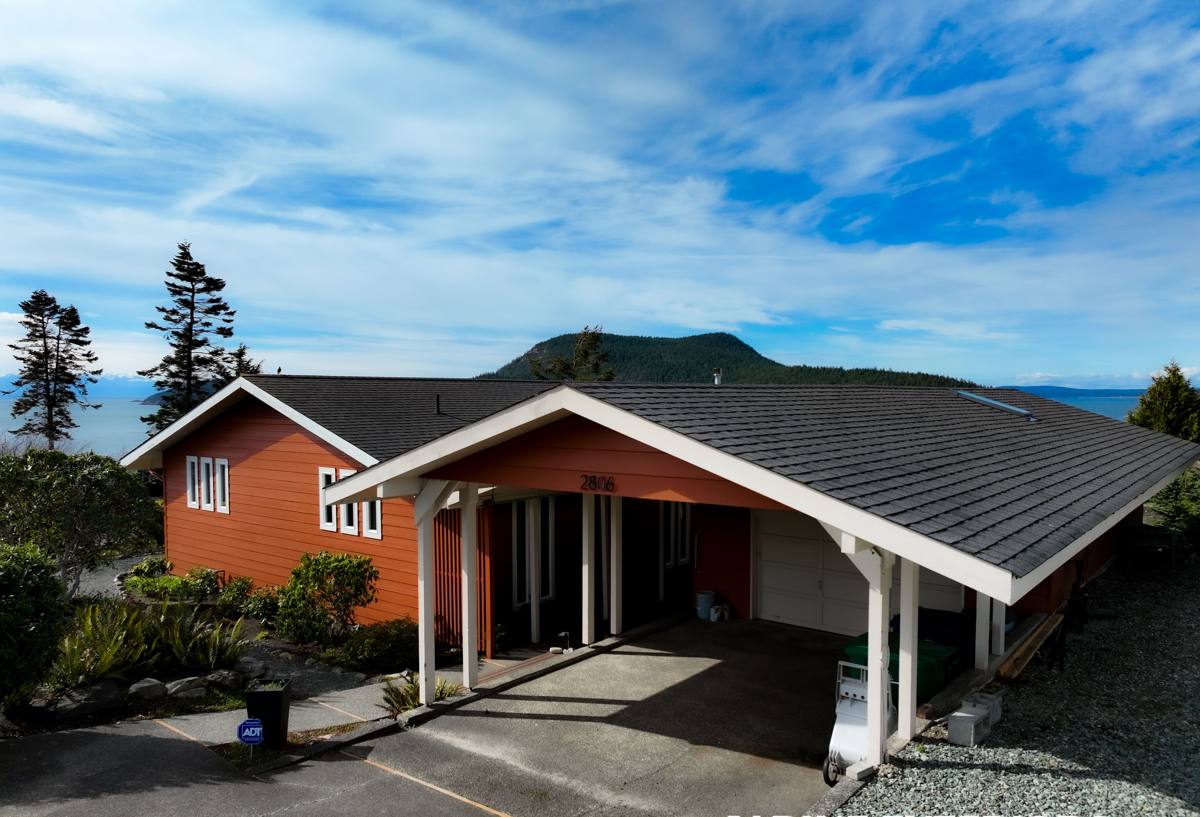
Similk Beach sits along Similk Bay on Fidalgo Island, in the stretch of Skagit County between Anacortes and the Deception Pass corridor. It's a waterfront setting, and that's exactly what makes exterior maintenance here different from a house a few miles inland in town. Homes along the bay take on salt-laden air, wind-driven rain that comes in sideways off the water during winter storms, and heavy tree cover in many of the wooded lots that keeps siding and roofs shaded and damp for long stretches of the year. That combination — salt, moisture, and shade — is a tough environment for exterior materials, and it shows up faster than most homeowners expect if the wrong products or installation methods were used.
We've worked on enough homes around Anacortes and the surrounding waterfront communities to know that a house on Similk Bay ages differently than one in a dry, open subdivision. Paint fails sooner. Moss and algae get a foothold on north-facing roof slopes that never fully dry out. Wood trim and siding that would hold up fine elsewhere start showing rot at the bottom courses and around window sills within a handful of years. None of that is inevitable — it's a function of what's installed and how it's installed — but it does mean exterior decisions for a Similk Beach home should be made with the site's actual exposure in mind, not a generic assumption about "coastal Washington."
What Salt Air and Driving Rain Actually Do to a House
It helps to be specific about the mechanisms, because they point directly at what to look for in materials and workmanship.
- Salt air accelerates corrosion on exposed fasteners, flashing, and hardware, and it can gradually break down certain paint films and coatings faster than inland exposure would.
- Wind-driven rain off the bay pushes water sideways into laps, seams, and trim joints that would stay dry under a straight-down rain. That's where poor flashing details and gapped siding joints turn into hidden moisture intrusion.
- Shade and tree cover slow drying time after every rain event, which is exactly the condition moss, algae, and mold need to establish and spread across roofing and siding surfaces.
- Freeze-thaw cycling, while less severe here than east of the Cascades, still happens enough in winter to stress any material that's already saturated with trapped moisture.
Put together, a home on or near Similk Bay needs exterior materials that resist moisture absorption, hold a finish well without constant repainting, and were installed with real attention to flashing and water management — not just nailed up to code minimums.
Why We Install Only James Hardie Fiber Cement Siding
We made a decision as a company to install James Hardie fiber cement siding exclusively. We don't install vinyl, LP SmartSide, Cemplank, Allura, or primed or cedar wood siding, and we're upfront with every homeowner about why — especially on a job this close to the water.
Fiber cement is a cement, sand, and cellulose fiber composite. It doesn't absorb and swell with moisture the way engineered wood products can, and it's non-combustible, which matters given how many Fidalgo Island properties border trees and brush. James Hardie backs its siding with ColorPlus, a factory-baked finish that holds color and resists fading and peeling far better than a field-applied paint job — which matters a lot in a location where you don't want to be repainting siding every few years just to keep up with salt exposure and moisture.
James Hardie also engineers regional product lines (HZ5 for our climate zone) specifically for moisture and temperature conditions like ours, rather than selling one generic board nationwide. That, plus a strong transferable warranty, is why we standardized on it rather than offering a menu of siding options. We think a Similk Beach home deserves the product built for this exposure, not the cheapest option that happens to look similar on day one.
Siding Material Comparison
| Material | Moisture Behavior | Finish Durability | Fire Resistance | Why We Pass |
|---|---|---|---|---|
| Vinyl | Doesn't rot, but warps/cracks with heat and impact; seams can let water behind panels | Color baked in, but fades and chalks over time; can't be repainted easily | Melts/deforms at moderate heat | Poor performance in wind, limited lifespan of appearance |
| LP SmartSide / engineered wood | Treated wood strand product; vulnerable at cut edges and joints if caulking/paint isn't maintained | Needs regular repainting and edge sealing | Combustible | Maintenance burden too high for marine exposure |
| Primed spruce / cedar | Natural wood movement; absorbs moisture readily if finish fails | Requires the most frequent repainting/staining of any option | Combustible | Highest long-term maintenance cost near saltwater |
| James Hardie fiber cement | Dimensionally stable, doesn't swell or rot | Factory ColorPlus finish, long fade/peel resistance | Non-combustible | What we install |
Roofing for a Marine, Moss-Prone Property
Roofs on shaded, waterfront lots around Similk Beach face a slower, quieter kind of wear than storm damage — moss and algae growth that gradually lifts shingle edges, holds moisture against the roof deck, and shortens the life of even a well-installed roof if it's ignored. Good ventilation, correct underlayment, and metal flashing detailing at every valley, penetration, and wall intersection matter more here than they would on a dry, open, south-facing roof. We pay particular attention to flashing at chimneys, skylights, and roof-to-wall transitions, since that's where wind-driven rain finds its way in first.
We also talk with homeowners honestly about moss: it's largely a function of shade and moisture, not a sign of a failing roof by itself, but left unmanaged it does shorten roof life. Periodic gentle cleaning and zinc or copper strip installation near the ridge can slow regrowth without damaging the roofing material — that's a lower-cost step worth discussing before a full replacement is on the table.
Windows: Comfort and Condensation Near the Water
Older single-pane or early dual-pane windows on Similk Bay properties tend to show their age through drafts, fogging between panes (a sign the seal has failed), and condensation on cold, humid mornings — which is common in a marine climate with big overnight temperature and humidity swings. Replacement windows with modern low-E glass and tight, properly flashed installation cut down on both heat loss and the interior condensation that can eventually damage sills and trim. Window replacement is also a natural pairing with a siding project, since the trim and flashing work around openings gets redone as part of the same water-management system rather than patched twice.
Decks Facing the Bay
A deck on a Similk Beach lot gets more direct weather exposure than almost any other part of the house — full sun when it's out, full rain and salt spray the rest of the time, and often less overhang protection than the roofline provides the walls. Fastener corrosion, ledger board rot at the house connection, and finish wear on decking boards are the most common issues we see. Correct flashing at the ledger board where the deck meets the house is critical on a waterfront property; that's one of the most common failure points on older decks we've evaluated, regardless of the decking material itself.
Why a Local Crew Matters Here
Similk Beach isn't a subdivision with identical lots — it's a mix of waterfront and wooded parcels, varied sun and shade exposure, and homes of different ages and construction types. A crew that works this area regularly knows which side of a house typically takes the worst of the winter wind, which rooflines tend to hold moss longest, and how to sequence a project around the wetter months without leaving a house exposed. We're based in Anacortes and work Skagit County's waterfront communities routinely, which means the estimate you get reflects what we've actually seen on similar homes nearby — not a generic regional average.
What Affects Your Project Cost
| Factor | Why It Matters |
|---|---|
| Existing siding/roofing condition | Hidden moisture damage or rot behind old siding adds repair scope once uncovered |
| Home size and wall/roof complexity | More corners, gables, and roof planes mean more flashing detail and labor |
| Access and site layout | Waterfront lots with slopes, limited driveway access, or tree cover can affect staging and time |
| Scope bundling | Combining siding, windows, and trim work in one project reduces duplicated setup and flashing work |
| Product line and finish selection | James Hardie board profile and ColorPlus color selection affect material cost |
A Practical Checklist for Similk Beach Homeowners
- Walk the exterior after the first dry stretch of spring and look for moss buildup on north-facing roof slopes and shaded siding.
- Check caulking and trim joints around windows and doors for cracking or gaps before the fall rains start.
- Look at deck ledger boards and fasteners for rust staining or soft wood, especially where the deck meets the house.
- Watch for paint that's chalking, peeling, or bubbling on wood siding — an early sign moisture is getting behind the finish.
- Keep gutters and downspouts clear so water isn't sheeting down siding or pooling near the foundation.
- Have any fogged or foggy-looking window panes evaluated — a failed seal won't repair itself and will keep losing efficiency.
Getting Started
If you're dealing with tired siding, a moss-covered roof, drafty windows, or a deck that's showing its age on your Similk Beach property, we're happy to take a look and walk through what we're actually seeing — no pressure, no inflated scope. Reach out for a free estimate using the form below, and we'll give you a straight read on condition, options, and what makes sense for your home's specific exposure.