 Anacortes Exterior
 What Similk Beach's Climate Does to Exterior Siding
Similk Beach sits close enough to the water that homes here take a different kind of weather beating than houses further inland in Skagit County. Salt-laden air off the surrounding waterways works on metal fasteners, trim, and paint film year-round. Wind-driven rain off the Salish Sea doesn't just fall on a wall — it pushes sideways into every seam, joint, and panel gap that isn't detailed correctly. And because so many lots here have mature tree cover and shaded north- or west-facing walls, moss and algae get a long growing season with plenty of moisture to work with.
None of that is unique to one house — it's the baseline condition for the whole area. But it means siding decisions that might be fine in a drier, more sheltered part of Anacortes can fail faster on a Similk Beach home. The product, the installation detailing, and the fasteners all need to be chosen with that exposure in mind, not treated as an afterthought.
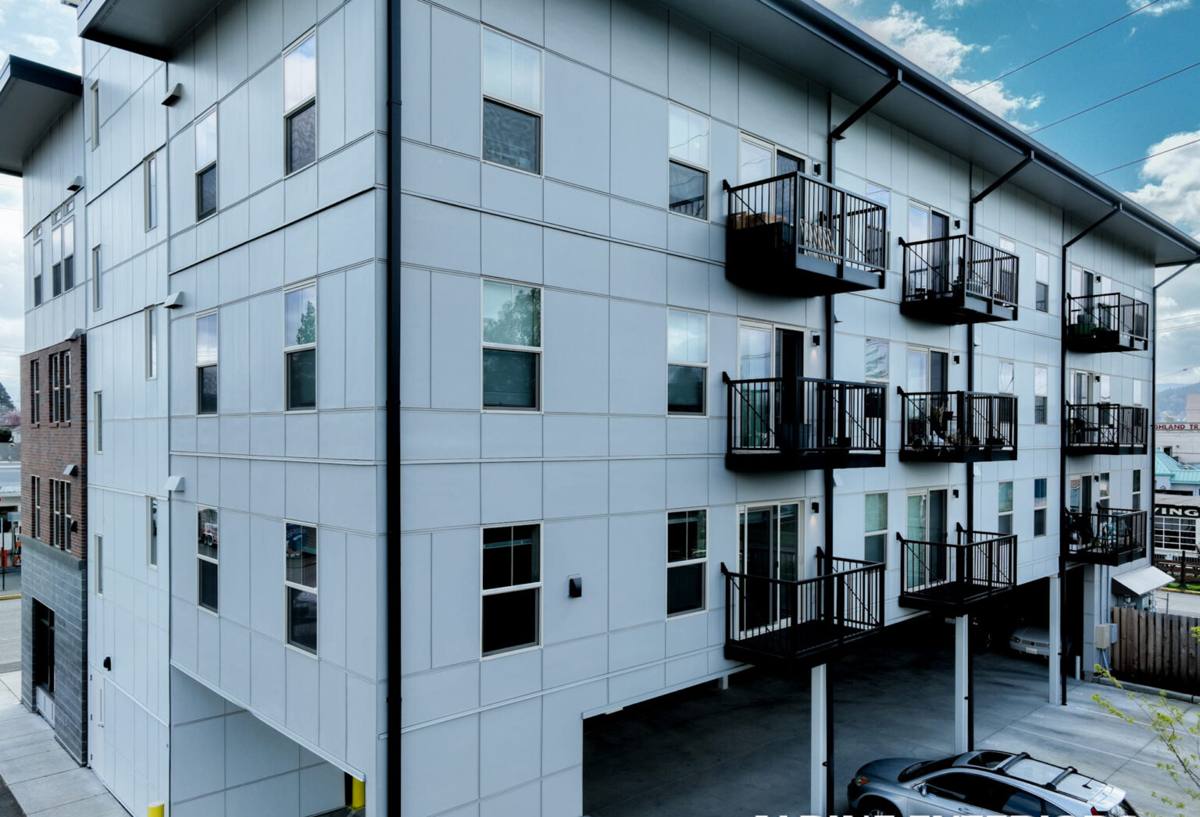
Why We Install Only James Hardie Fiber Cement
We made a decision to standardize on James Hardie fiber cement siding and stop installing vinyl, LP SmartSide, cedar, or other fiber cement brands. That's not a marketing position — it's a response to what we've seen hold up in this climate and what doesn't.
Vinyl siding is inexpensive and low-maintenance in mild conditions, but it's a thin, temperature-sensitive material with lap seams that rely heavily on correct overlap and fastening to shed wind-driven rain. In coastal wind exposure it's also more prone to rattling, warping, and seam separation over time. LP SmartSide is an engineered wood product — it performs well when kept dry, but its OSB-based substrate is more vulnerable if moisture gets behind it, which raises the stakes on flashing and caulking details in a climate that gives water a lot of chances to find a way in. Cedar siding is a beautiful, traditional Pacific Northwest material, but it's also the highest-maintenance option: it needs regular refinishing, and in shaded, damp conditions like much of Similk Beach, it's the material most prone to moss growth and slow rot if upkeep slips.
James Hardie fiber cement is non-combustible, holds its shape in wet-dry cycling far better than wood-based products, and comes from the factory with a ColorPlus finish baked on rather than field-applied — which matters a lot when salt air and UV exposure are working on the paint film every day. Hardie also engineers specific product lines (their HZ5 line is built for climates like ours) for moisture and freeze-thaw performance, and backs installations with a real transferable warranty when the work is done to their specification. That combination — durability, factory-finish consistency, and manufacturer accountability — is why it's the only product we put on homes.
What a Correct Siding Installation Actually Involves
Fiber cement siding is only as good as the assembly behind it. A lot of the siding problems we get called out to inspect aren't failures of the material itself — they're shortcuts taken during installation. A correct job includes:
- A continuous, properly lapped weather-resistive barrier installed before any siding goes up
- Flashing at every window, door, deck ledger, and roof-to-wall intersection, installed so water sheds outward, not into the wall cavity
- A drainage gap or rainscreen behind the siding so any moisture that does get past the outer layer can drain and dry instead of sitting against the sheathing
- Correct fastener type, length, and spacing per the Hardie installation manual — not a generic nailing pattern
- Proper clearance from grade, roofing, and decks so siding isn't sitting in standing water or splash-back
- Panel and trim joints caulked with a product rated for the assembly, not over-caulked in a way that traps moisture instead of releasing it
Fasteners and Flashing Matter More Here
In a salt-air environment, fastener choice is not a minor detail. Fasteners that aren't corrosion-resistant will streak, weaken, and eventually let panels work loose well before the siding itself would have failed. We use fasteners and flashing components rated for coastal exposure, and we treat flashing details — not just the panels — as the part of the job that actually keeps water out.
Our Installation Process
The process is the same discipline on every Similk Beach job, adjusted for what we find on that specific house:
- On-site assessment — we look at the existing siding, check for hidden moisture damage, and evaluate the home's specific exposure (waterfront-facing walls get more attention than sheltered ones)
- Tear-off and sheathing inspection — old siding comes off and the sheathing underneath gets inspected and repaired before anything new goes on; covering up damaged sheathing is how small problems become big ones
- Weather barrier and flashing installation — this is the layer that actually keeps the house dry; it gets done to spec, not rushed
- Rainscreen/furring installation where needed — especially valuable on shaded or moisture-prone walls, giving the assembly a way to dry out
- Hardie panel installation — installed per manufacturer nailing pattern, gapping, and clearance requirements
- Trim, caulking, and final detailing — done to shed water, not just to look finished
- Final walkthrough — so you know exactly what was done and what to expect from the finished siding
Common Siding Problems We See on Homes Near Similk Beach
Most of the siding issues we're asked to look at trace back to one of a handful of causes. Understanding them helps explain why installation detail matters as much as the product choice itself:
| What You Notice | Likely Cause | Why It Matters |
|---|---|---|
| Moss or dark streaking building up on siding | Shaded, damp wall areas with no drainage gap behind the siding | Traps moisture against the wall, accelerates finish breakdown and eventual rot at the sheathing |
| Rust streaks or loose fasteners | Standard fasteners used instead of corrosion-resistant ones | Corrosion weakens the hold and can void the manufacturer's warranty |
| Cracked or buckled panels | Incorrect nailing pattern or no room left for expansion | Opens gaps for water intrusion and undermines the panel's integrity |
| Uneven fading between panels | Field-painted siding instead of factory-applied finish | Inconsistent UV and moisture protection over time |
Cost Factors for Siding Installation in Similk Beach
Every home is priced individually, but the same handful of factors drive the cost up or down on most projects in this area:
| Factor | Why It Affects Cost |
|---|---|
| Home size and wall square footage | Directly drives material and labor quantities |
| Condition of existing sheathing | Hidden moisture or rot repair adds time and material before new siding can go on |
| Exposure level | Waterfront-facing or wind-exposed walls often warrant more robust flashing and drainage detailing |
| Trim and architectural detail | Gables, dormers, and multiple roof intersections mean more flashing and cutting |
| Hardie product and profile chosen | Lap siding, panel systems, and shingle-style profiles vary in material and labor cost |
| Site access | Multi-story walls or tight lots slow down staging and installation |
Keeping Siding Performing After Installation
Correctly installed Hardie siding is low-maintenance, but "low-maintenance" isn't "no-maintenance" — especially in a salt-air, moss-prone setting like Similk Beach. A little regular attention protects the investment:
- Rinse down siding a couple of times a year to clear salt residue and general grime, especially on walls closest to the water
- Keep gutters and downspouts clear so roof runoff isn't sheeting directly down the wall
- Trim back branches and vegetation that keep a wall shaded and damp — that's the environment moss needs
- If moss does appear, clean it gently rather than pressure-washing, which can force water behind panels and trim
- Do a yearly visual check of caulked joints and trim for gaps or cracking, and have them addressed before they become an entry point for water
Why Hire a Crew That Already Works Similk Beach
Siding installation isn't identical from one part of Skagit County to another. A crew that regularly works Similk Beach and the surrounding Anacortes waterfront already knows which elevations take the worst of the wind-driven rain, where moss tends to establish first, and how much drainage detailing a given lot's exposure actually calls for — instead of applying the same generic approach everywhere. That local pattern recognition, combined with proper Hardie installation practices and Skagit County permitting familiarity, is what keeps a siding job performing for decades instead of needing early repairs.
If you're considering new siding for a home in Similk Beach, we're glad to take a look and walk you through what your specific house needs. Reach out for a free, no-pressure estimate using the form below.