 Anacortes Exterior
 Exterior Work for Bow and the Samish Bay Corridor
Bow sits in a quieter stretch of Skagit County, tucked between farmland, tidal flats, and the wooded rise toward Chuckanut. It's a different kind of exposure than a lot of Skagit County homes deal with — closer to open water, more tree cover in places, and a lot of low-lying, shaded lots that stay damp long after the rest of the county has dried out. We work throughout this corridor alongside our regular routes into Anacortes, and the exterior systems we recommend for Bow properties reflect what actually happens to a house out here over ten or twenty years, not a generic checklist.
Homes near Samish Bay and the surrounding farmland face a combination of salt-laden air, driving rain off the water, and a moss season that can run most of the year on shaded roofs and north-facing walls. None of that is unusual for this part of Western Washington, but it does mean the exterior materials and workmanship need to be matched to the site, not just installed to a minimum code standard.
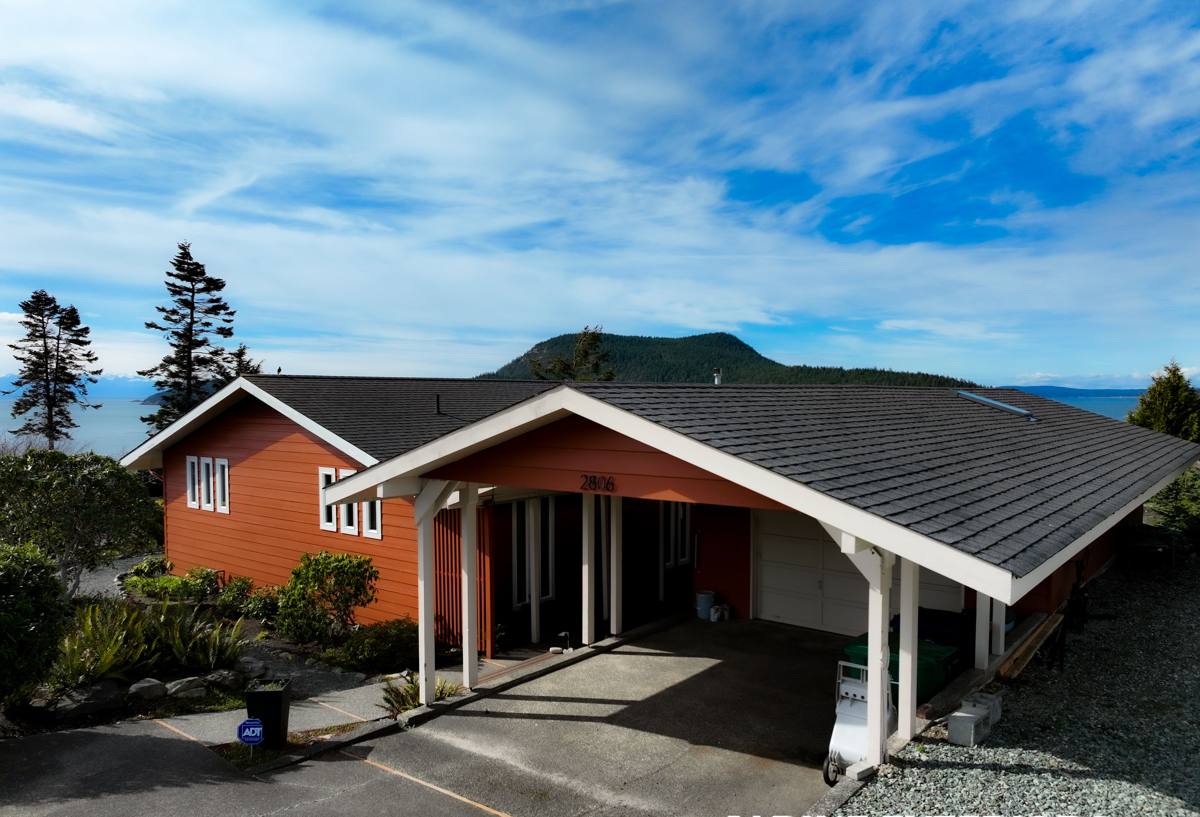
What the Climate Actually Does to a Bow Home
Three things drive most of the exterior wear we see on homes in this area:
Salt Air
Proximity to Samish Bay and Padilla Bay means airborne salt is a real factor, even a mile or two inland. Salt-laden moisture accelerates corrosion on fasteners, flashing, and any metal trim that isn't rated for coastal exposure. It also breaks down cheaper paint films faster than an inland home would ever experience, which is part of why factory-applied, baked-on finishes hold up so much better than field-applied paint out here.
Driving Rain
Storms coming off the Salish Sea don't just fall straight down — wind-driven rain gets pushed sideways into wall assemblies, window frames, and door thresholds. Siding, flashing, and trim details that rely on gravity alone to shed water tend to fail here faster than they would in a more sheltered inland location. Proper water-resistive barriers, flashing laps, and sealed penetrations matter more in Bow than they would twenty miles inland.
Moss and Shade
Bow's mix of open farmland and wooded lots means some homes get near-constant sun exposure while others sit in near-permanent shade under fir and cedar cover. Shaded roofs and north walls stay wet longer after every rain, which is exactly what moss, algae, and mildew need to establish. Left unchecked, moss growth on roofing lifts shingles and holds moisture against the surface; on siding, it traps dampness against the substrate and accelerates rot in anything that isn't genuinely moisture-resistant.
Siding in Bow: Why We Only Install James Hardie
We install James Hardie fiber cement siding exclusively. We don't install vinyl, LP SmartSide, Cemplank, Allura, primed spruce, or cedar lap — not because those products can't be installed correctly by someone, but because we've made a standard for our own crews and we'd rather explain the trade-offs honestly than sell a product we don't fully stand behind.
In a climate like Bow's, the differences show up over time, not on installation day:
- Vinyl siding can warp or become brittle with age, and its seams and J-channels give wind-driven rain more paths to work with over the years.
- Wood-based and untreated engineered wood products need consistent paint maintenance to keep moisture out; miss a cycle or two in a shaded, damp lot and rot risk climbs quickly.
- Cedar is a genuinely attractive natural material, but it demands ongoing sealing or staining, and salt air combined with shade accelerates the maintenance schedule.
- Other fiber cement brands are legitimate products in their own right — our decision to standardize on Hardie is about our crews' training, warranty consistency, and the specific HZ5 formulation engineered for this region's moisture exposure, not a claim that competitors don't perform.
James Hardie's HZ5 product line is formulated for exactly this kind of climate — wet, coastal-influenced, with real freeze-thaw swings in winter. The fiber cement core doesn't absorb moisture the way wood-based products do, and it won't support the kind of rot or insect damage that shows up in organic siding materials over time. It's also non-combustible, which matters more each year as wildfire smoke and dry-season risk become a bigger part of the Pacific Northwest conversation, even on the wetter west side of the Cascades.
The ColorPlus factory finish is a big part of why we standardized on Hardie specifically. It's baked on in a controlled environment rather than applied on-site, which means better adhesion and UV resistance than field-applied paint — a real advantage given how hard salt air and constant damp are on painted surfaces here. It comes with a longer color-fade warranty than most homeowners get from a repaint, and it means we're not asking a Bow homeowner to plan on repainting their siding within the first decade.
Roofing Considerations for a Damp, Shaded Area
Roofing in Bow has to account for both driving rain and prolonged moss exposure. We pay particular attention to a few details that matter more here than in drier parts of the state:
- Underlayment and flashing quality at valleys, chimneys, and roof-to-wall transitions, where wind-driven rain concentrates.
- Ventilation, since a poorly ventilated attic traps moisture that condenses and works its way back into the roof deck from underneath.
- Metal drip edge and flashing rated for coastal exposure, since standard-grade metal corrodes faster this close to salt water.
- Realistic moss management — the shaded, tree-covered lots common in Bow need a maintenance conversation, not just a one-time treatment, because the conditions that grow moss don't go away.
We'll always tell a homeowner honestly whether a roof needs full replacement or whether targeted repair, flashing correction, or a moss treatment plan makes more sense for their timeline and budget.
Windows: Managing Condensation and Driving Rain
Older single-pane or early double-pane windows struggle in a climate with this much sustained humidity — condensation between panes, fogging, and drafts around aging frames are common complaints we hear from homeowners in this area. Beyond comfort and energy costs, failing window seals let moisture into the wall cavity around the frame, which is a slow but serious problem in a house that already deals with a lot of ambient dampness.
When we replace windows, we pay close attention to flashing integration with the siding system around each opening — this is one of the most common failure points we find on older homes, regardless of what siding is on the wall. A window installed without proper flashing laps will eventually let water in, no matter how good the window itself is.
Decks: Built for Salt Air, Rain, and Moss
A deck in Bow takes a beating from the same three forces as the rest of the house — salt air corroding fasteners and hardware, driving rain saturating any horizontal surface, and shaded areas growing slick moss on top of decking boards. We build and repair decks with corrosion-resistant fasteners and connectors rated for coastal and treated-lumber exposure, proper flashing where the deck ledger meets the house (a common rot point on older decks), and drainage details that keep water from pooling on the surface. Whether it's a full rebuild or repair work on an existing structure, we treat the ledger connection and flashing as the most important part of the job — it's the detail most likely to cause structural problems down the road if it's done wrong.
Why a Local Crew Matters Out Here
Bow isn't downtown Anacortes, and it isn't a subdivision with cookie-cutter homes either — it's a mix of farmhouses, newer builds, and homes tucked into wooded lots along the Samish Bay corridor. A crew that works this area regularly knows which lots sit in near-permanent shade, which stretches catch the worst of the wind off the bay, and how far salt exposure actually reaches inland here. That local knowledge shapes real decisions: where to spend extra on flashing detail, which sides of a house need the most moss-resistant approach, and how aggressive a maintenance schedule actually needs to be for a given site.
Cost Factors for Exterior Work in Bow
Every project is different, but these are the main variables that affect scope and cost for homes in this area:
| Factor | Why It Matters in Bow |
|---|---|
| Shade and tree cover | Heavier moss and mildew exposure often means more prep work and sometimes added ventilation or drainage detailing |
| Distance from open water | Homes closer to Samish Bay see more direct salt exposure, which affects fastener and flashing material choices |
| Existing siding or roofing condition | Rot or moisture damage found during removal can add scope once walls or decking are opened up |
| Access and site layout | Rural lots, long driveways, or septic/well placement can affect staging and equipment access |
| Scope bundling | Combining siding, roofing, window, or deck work in one project often reduces total disruption and cost versus separate projects |
A Homeowner's Maintenance Checklist for This Area
- Check roof valleys and shaded slopes for moss buildup at least once a year, more often under heavy tree cover
- Inspect caulking and sealant around windows and doors annually, since salt air and UV break down sealants faster here
- Look at deck ledger boards and fasteners for corrosion or staining, especially on decks facing open water
- Keep gutters clear — shaded, tree-covered lots tend to accumulate debris faster and clogged gutters push water into places it shouldn't go
- Watch for chalking, fading, or peeling on painted wood trim or siding, an early sign the finish is failing under sun and salt exposure
If you're weighing a repair, a full exterior replacement, or just want an honest read on what your Bow home actually needs, we're glad to come take a look. Estimates are free, there's no pressure, and we'll tell you plainly what we'd do if it were our own house.