 Anacortes Exterior
 Windows Built for Bow's Particular Climate
Bow sits close enough to Samish Bay and Padilla Bay that salt-laden air is a daily fact of life, not an occasional nuisance. Combine that with the driving rain that comes off the water during winter storms, the humidity that never fully lets up, and a moss season that can run eight or nine months out of the year, and you get a set of conditions that are genuinely harder on windows than what a home fifty miles inland deals with. Frames corrode faster near salt water. Seals break down sooner when they're wet more often than they're dry. Wood trim that isn't detailed correctly holds moisture against the house instead of shedding it. None of this is exotic knowledge, but it does mean a window that performs fine in a catalog photo can still be the wrong choice for a house in this part of Skagit County.
Custom windows for a Bow home aren't about luxury — they're about matching the frame material, the glass package, and the installation detailing to what this specific climate actually does to a house over ten or twenty years.
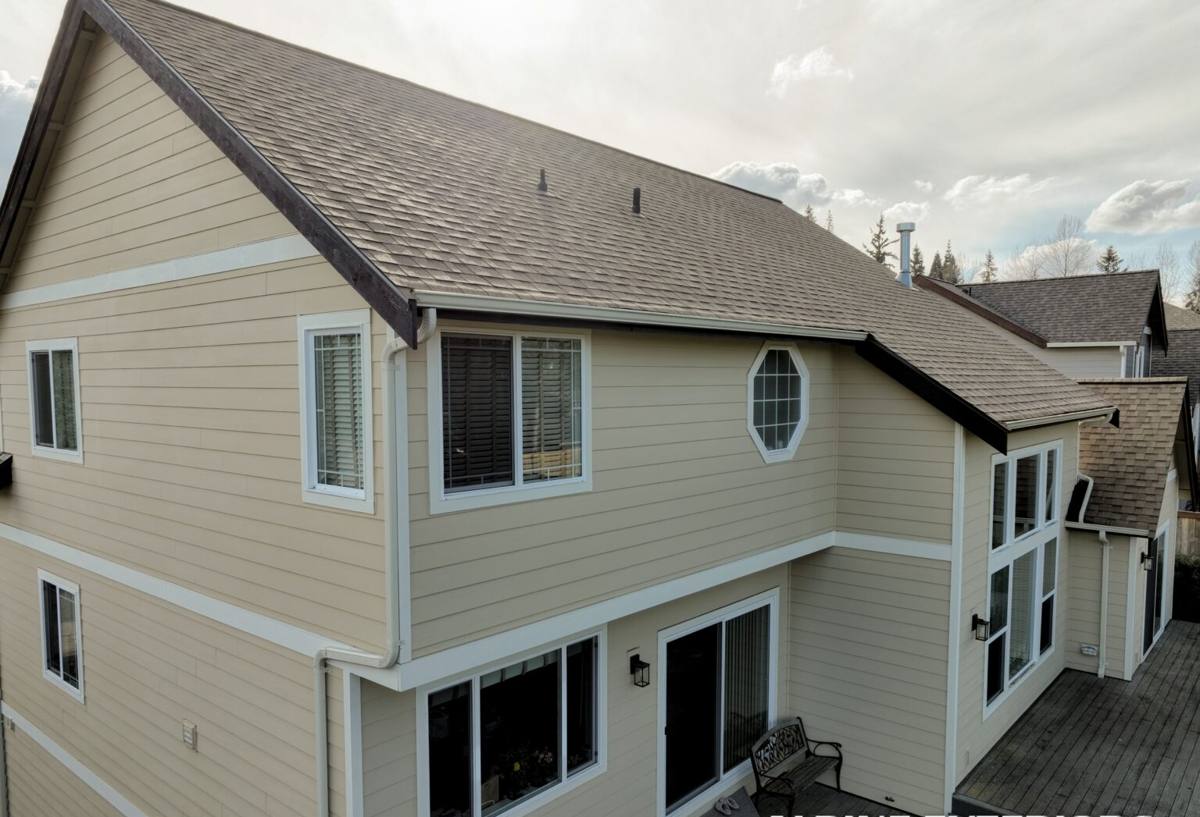
What "Custom" Actually Means Here
"Custom" doesn't mean unusual shapes or high-end trim packages, though we do that work too. Mostly it means the window is built to the exact opening in your house rather than forcing your house to fit a stock size. A lot of homes around Bow are older farmhouses, remodeled ranch houses, or waterfront cabins that have settled or been added onto over the decades — openings are rarely perfectly square, and a true custom or made-to-size unit accounts for that instead of relying on extra shims and caulk to make up the difference.
Custom sizing also matters when you're replacing one or two windows at a time rather than doing a whole house at once, which is common here. Matching sightlines, sash proportions, and trim reveal to the existing windows keeps the house looking like it was built that way, not patched.
When Custom Sizing Matters Most
- Older farmhouses with hand-built or non-standard rough openings
- Additions where the original window line doesn't match newer construction
- Waterfront or bay-view homes with large or unusually shaped picture windows
- Partial replacements where matching existing sightlines matters for curb appeal
Frame Material: What Actually Holds Up Near Salt Water
There's no single "best" frame material for every house — it depends on your budget, your home's style, and how close you are to open water. Here's how the common options actually perform in a Bow-type climate, honestly, including their trade-offs.
| Frame Material | Salt Air / Coastal Performance | Maintenance | Typical Trade-Off |
|---|---|---|---|
| Vinyl | Doesn't corrode; handles moisture well | Low — occasional rinse | Limited color/trim options, can look plain on older homes |
| Fiberglass | Excellent — very stable, resists warping and pitting | Low | Higher upfront cost than vinyl |
| Wood-clad | Good if cladding and flashing details are done right | Moderate — exterior clad, interior wood needs periodic attention | More installation-sensitive; a poor install shows up as rot within a few years |
| Aluminum | Poor near salt air without specific coastal-rated coatings | Higher — prone to pitting and corrosion over time | We generally steer homeowners away from it for this area |
For most Bow homes, we lean toward vinyl or fiberglass for their corrosion resistance and low upkeep. Wood-clad is still a good choice when you want a traditional look for an older farmhouse, but only when the flashing and cladding details are done correctly — that's an installation issue as much as a product issue, and it's where a lot of window jobs quietly fail.
Glass Packages: Matching the Unit to the Exposure
Glass matters as much as the frame, especially for humidity and condensation control. A standard double-pane, dual Low-E, argon-filled unit is the right baseline for most rooms in this climate — it manages heat loss and reduces interior condensation on cold, damp mornings, which is a common complaint in homes with older single-pane or early-generation dual-pane windows.
For rooms with direct bay exposure or larger picture windows, we'll often talk through triple-pane or upgraded Low-E coatings. It's not about chasing the highest spec available — it's about whether the extra cost buys you something you'll actually notice, like less condensation on a west-facing window that takes the brunt of winter storms, versus a sheltered window where the standard package performs just fine.
Questions Worth Asking About Any Glass Package
- Is it dual or triple pane, and does the exposure of that specific window justify the upgrade?
- What's the Low-E coating rated for — heat gain control, heat retention, or both?
- Is the unit argon or krypton filled, and what's the manufacturer's seal failure warranty?
- Does the glass package match the home's existing windows closely enough that mismatched tint or reflectivity isn't obvious from the street?
Installation Detailing: Where Coastal Jobs Actually Succeed or Fail
Most window failures we see in this area aren't glass failures — they're installation failures. Flashing that wasn't lapped correctly, house wrap that wasn't integrated with the window flange, or sealant used as a substitute for proper flashing instead of a backup to it. In a climate with this much driving, wind-blown rain, those shortcuts show up as staining, soft trim, or interior moisture within a few years instead of decades.
A correct install includes sill pan flashing to direct any incidental water back out, proper head flashing integrated behind the water-resistive barrier, backer rod and sealant at the right joints (not everywhere), and enough clearance for the window to move slightly with the house without cracking the seal. None of this is visible once the trim goes back on, which is exactly why it matters who's doing the work.
Our Process for a Bow Window Project
- On-site assessment: We look at existing frames, flashing, and trim condition — not just the glass — to catch moisture issues before they're hidden behind new windows.
- Precise measurement: Every opening is measured individually; older homes rarely have identical openings even when the windows look the same size.
- Material and glass selection: We walk through frame and glass options based on that window's specific exposure, not a blanket recommendation for the whole house.
- Removal and prep: Old units come out carefully, and we inspect the rough opening for rot or moisture damage before anything new goes in.
- Installation with proper flashing: Sill pan, flashing integration, and sealant details are done to shed water, not just cover the gap.
- Trim and finish: Interior and exterior trim is finished to match the home, and the site is cleaned up before we consider the job done.
Signs Your Bow Home's Windows Need Attention
- Soft, discolored, or bubbling trim around the window frame
- Fogging or moisture between panes — a sign the seal has failed
- Persistent condensation on the inside of the glass, especially in winter
- Visible pitting or corrosion on metal frames or hardware
- Drafts you can feel near the frame even with the window latched
- Wood sashes that stick, swell, or won't latch properly
- Green or black growth on the exterior sill or trim that keeps coming back
Any one of these is worth a look. Several together usually means the window, and possibly the flashing behind it, needs to be addressed rather than patched.
Why It Matters That We Already Work in Bow
A crew that works this stretch of Skagit County regularly knows which exposures near Samish Bay and Padilla Bay take the worst weather, how local moss and mildew growth behaves on different siding and trim types, and what permitting looks like for the county versus the incorporated parts of Anacortes. That's not something you can fully substitute with a general contractor from outside the area, however skilled they are elsewhere. It also means faster response if a storm damages a window or trim and you need someone who already understands the site conditions, not someone starting from zero.
Maintaining Custom Windows in a Salt Air Climate
Good windows still need basic upkeep here. Rinsing accumulated salt residue off frames and hardware a few times a year — especially after winter storms — keeps corrosion from getting a foothold, even on vinyl and fiberglass. Keeping gutters and nearby vegetation clear reduces the moss and moisture that collect around trim. And a quick visual check of caulking and seals once a year catches small gaps before they become water intrusion problems. None of this is intensive, but skipping it is how a well-installed window job ages faster than it should.
If your windows are showing their age, or you're planning a remodel and want frames and glass that are actually matched to a Bow property's exposure, we're happy to take a look and talk through honest options. Request a free, no-pressure estimate using the form below and we'll go from there.