 Anacortes Exterior
 Why Windows in Bow Take More Punishment Than Most
Bow sits in a part of Skagit County where the weather doesn't do things halfway. Homes here catch salt-laden air off the nearby saltwater bays, take on driving rain that comes in sideways during winter storms, and sit under tree cover and cloud most of the year — which means moss, algae, and constant moisture pressure on anything with a seam or a seal. A window that performs fine in a drier inland climate can start failing early out here if it wasn't built or installed with this environment in mind.
Energy efficiency and durability aren't separate issues in Bow — they're the same problem. A window that's losing its seal is also a window that's losing its R-value. Once moisture gets past the glazing seal or the frame's weatherstripping, you're paying for it twice: once in comfort, once on the power bill.
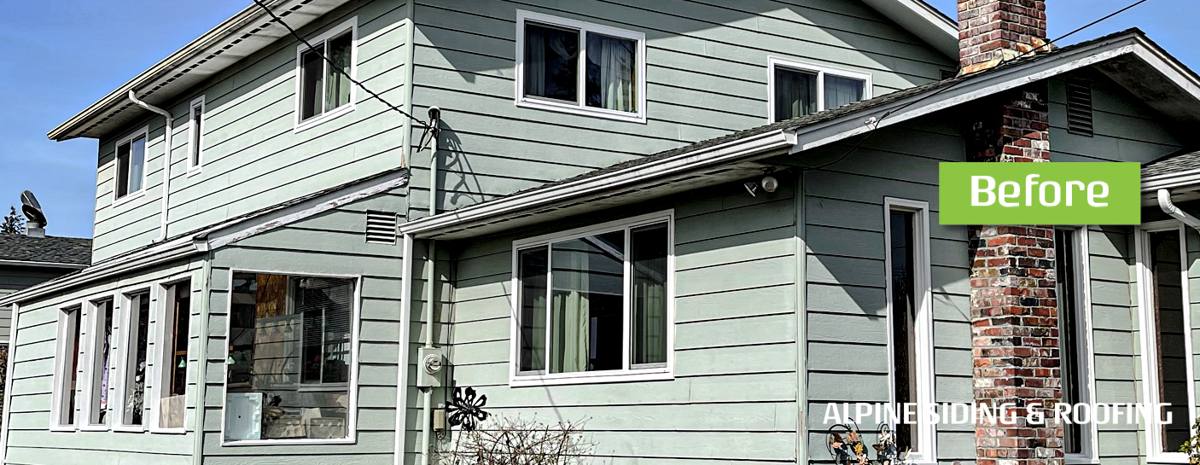
What "Energy-Efficient" Actually Means for a Bow Window
The term gets used loosely, so it's worth being specific about what actually matters for a home in this climate.
U-Factor and Solar Heat Gain
U-factor measures how much heat escapes through the window — lower is better for our cool, wet climate where you're heating more months than you're cooling. Solar heat gain coefficient matters less here than it does in sunnier regions, since Skagit County doesn't get the same intense summer sun load as eastern Washington, but it's still worth checking on west- and south-facing windows.
Low-E Coatings and Gas Fills
Low-emissivity coatings reflect heat back into the room in winter and are standard on any quality replacement window today. Argon or krypton gas fills between panes slow heat transfer further. Neither of these does much good, though, if the seal around them fails in five years — which brings up the next point.
Condensation Resistance
This is the rating homeowners in wetter climates should pay more attention to than most guides mention. A window's condensation resistance rating tells you how well it handles the temperature and humidity swings common in a marine climate like ours. A window with a poor rating will fog and sweat on the interior side during cold, damp stretches — which is exactly the kind of weather Bow gets for months at a time.
Signs a Bow Home's Windows Are Falling Behind
Because the coastal climate accelerates wear, it's worth checking your windows more often than a homeowner inland might. Watch for:
- Fogging or a permanent haze between the panes of a double- or triple-pane window — the seal has failed and the gas fill is gone
- Visible moss, algae, or dark streaking on sills, tracks, or the bottom of the frame
- Drafts you can feel near the frame edges, especially during winter storms with wind-driven rain
- Wood trim or sills that feel soft, spongy, or show paint bubbling
- Hardware — locks, cranks, hinges — that's stiff, corroded, or has visible pitting from salt exposure
- Noticeably higher heating bills compared to a similar-sized home nearby
- Condensation forming on the inside of the glass during cold snaps, even with normal indoor humidity
Any one of these on its own isn't necessarily an emergency, but a window showing two or three of them is usually past the point where caulk and weatherstripping will fix it.
Choosing the Right Frame Material for This Climate
Frame material matters more in Bow than it would somewhere dry and sheltered, because the frame is what's absorbing the salt air and standing water over the life of the window. Here's how the common options actually compare in this environment:
| Frame Material | Moisture & Salt Air Performance | Maintenance | Typical Lifespan Here |
|---|---|---|---|
| Vinyl | Good — won't rot or corrode, handles salt air well | Low — occasional cleaning | 20–30 years |
| Fiberglass | Excellent — very stable in temperature and moisture swings, resists warping | Low | 30–40+ years |
| Wood (unclad) | Poor in this climate unless meticulously maintained — prone to rot and moss growth | High — regular painting/sealing required | Highly variable; often 10–15 years before major repair |
| Wood-clad (vinyl or aluminum exterior) | Good exterior protection, but cladding seams can trap moisture if not detailed correctly | Moderate | 20–25 years |
| Aluminum | Fair — durable but conducts heat and cold, and can corrode near saltwater over time without proper coatings | Low | 20–25 years |
We don't push one material on every job. A lot of it comes down to your home's existing trim, your budget, and how much upkeep you want to take on. What we do steer people away from in this specific area is bare or minimally protected wood on the exterior face — not because wood windows are bad, but because Skagit County's damp, mossy conditions punish exposed wood faster than most homeowners expect, and the maintenance schedule needed to keep it looking good is a real commitment.
Where Installation Quality Matters Most
A high-performance window installed poorly will underperform a mid-grade window installed correctly — this is true everywhere, but it's especially true where driving rain is a regular event. Most window failures we see in this area trace back to installation details, not the window unit itself.
Flashing and Water Management
The window needs to be integrated into your home's water management path correctly — sill pan flashing, proper head flashing, and correct lapping with the house wrap or building paper so that any water that does get behind the siding drains out and away from the framing, not into it.
Sealant Is a Backup, Not the Plan
Caulk and sealant should be the last line of defense, not the only line of defense. If a window is relying entirely on a bead of sealant to stay dry, it's a matter of time before that fails — especially with the freeze-thaw cycles and constant damp we get here.
Shimming and Squaring
A window that's not shimmed and squared correctly will bind, won't seal tight when closed, and puts uneven stress on the frame — all of which shorten its service life and open the door to drafts and moisture intrusion.
Our Process for a Bow Window Project
- Free on-site estimate — we look at your current windows, note frame material, condition, and any signs of moisture or rot before quoting anything
- Product selection — we walk through frame material, glazing package, and grille/style options that fit your home and budget
- Scheduling — we plan around the weather where possible, since installing in a driving rainstorm isn't good for anyone's home
- Removal and inspection — once the old window is out, we check the rough opening and surrounding framing for hidden rot or moisture damage before anything new goes in
- Installation — proper flashing, insulation, shimming, and sealing, in that order of importance
- Final check and cleanup — we test operation, confirm a tight seal, and clean up the work area
If we find rot or water damage behind an old window during removal, we'll walk you through it and give you options before proceeding — it's far cheaper to address at that stage than to seal a new window over a hidden problem.
Why a Crew That Already Works in Bow Makes a Difference
Bow isn't a huge market, and that's actually an advantage for homeowners who hire a contractor already familiar with it. A crew that regularly works this stretch of Skagit County has a feel for which construction eras and home styles in the area tend to have which issues, how the local weather patterns affect scheduling, and what water management details actually hold up out here versus what looks fine on paper. That's different from a crew that mostly works drier, more sheltered areas and treats every coastal job as a one-off.
It also matters for follow-up. If a question comes up six months or two years after installation, you want a contractor who's still working in your area and easy to reach — not one who did a single job in Bow and moved on.
Living With New Windows in a Salt-Air, High-Moss Climate
Even a well-installed, high-quality window benefits from a little routine attention out here:
- Rinse frames and tracks periodically to clear salt residue, especially on properties closer to the water
- Keep weep holes clear of moss, debris, and dirt so water can drain out of the frame properly
- Wipe down sills after heavy wind-driven rain events if water has pooled
- Check and lightly lubricate hardware annually — locks, cranks, and hinges hold up longer with occasional care
- Trim back vegetation that keeps windows in constant shade and dampness, which encourages moss and algae growth
None of this is a heavy burden, but it's the kind of maintenance that's easy to skip if nobody mentions it — and skipping it is how a good window ages faster than it should in this climate.
Get a Straight Answer for Your Bow Home
Every home in this area handles moisture and wind differently depending on its orientation, tree cover, and age. If you're dealing with drafty, foggy, or aging windows, or you're planning ahead for a remodel, we're happy to come take a look and give you a straightforward, no-pressure estimate — no obligation, just an honest read on what your windows actually need. Use the form below to get started.