 Anacortes Exterior
 Windows Built for Old Town Anacortes, Not a Catalog Somewhere Else
Old Town Anacortes sits close to the water, which is part of what makes it a great place to live and part of what makes its windows work harder than windows almost anywhere else in Skagit County. Salt-laden air off Fidalgo Bay and the surrounding waterways corrodes hardware and dulls finishes over time. Wind-driven rain off the Sound doesn't just fall straight down — it gets pushed sideways into window frames and trim, testing every seal and flashing detail. And the long, damp moss season that stretches through fall, winter, and spring keeps north-facing walls and window sills wet for weeks at a stretch, which is exactly the kind of environment wood rot and failed sealant love.
Custom windows for this neighborhood aren't about fancy shapes or showroom upgrades. They're about getting the sizing, materials, and installation details right for a home that's likely been standing through decades of this same weather pattern. That's a different job than a standard tract-home window swap, and it should be treated differently.
What "Custom" Actually Means for Homes in This Neighborhood
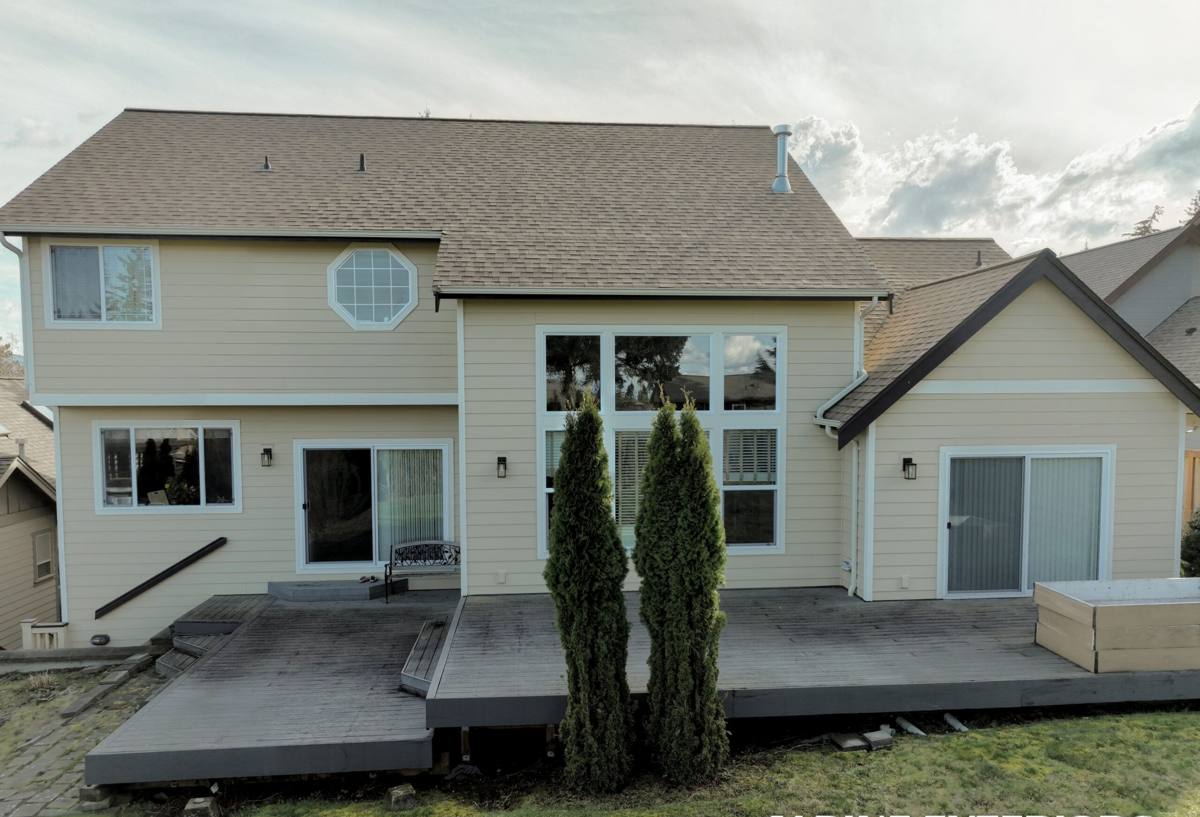
Many homes in and around Old Town Anacortes were built well before modern window manufacturing standardized its sizing. That means openings are frequently a half-inch or more off from anything you'd find on a shelf, walls can be out of square after decades of settling, and trim details were often built by hand rather than milled to a standard profile. "Custom" simply means the window is built or fitted to match what's actually there, instead of forcing a stock size into an opening it wasn't designed for.
Common Window Openings We Run Into Locally
- Older double-hung openings with wood jambs that have shifted slightly out of square over time
- Narrower sightlines than modern stock windows, where a full-frame stock unit would look visibly out of place
- Openings with unusual height-to-width ratios from additions or remodels done at different points in a home's history
- Sills and framing showing early signs of moisture damage that need to be addressed before a new window ever goes in
Matching Character Without Copying the Flaws
Homeowners in older, character-driven neighborhoods often worry that a window replacement will make their house look generic. It doesn't have to. We can match sightlines, grille patterns, and general proportions so the new windows read as consistent with the home's age and style. What we don't do is replicate a flaw that caused the original window to fail in the first place — if the old sill pitch let water sit instead of drain, we correct that pitch even while keeping the visual profile close to the original.
Material Choices That Actually Hold Up to Salt Air and Moss Season
Every window material has trade-offs, and in a coastal, marine-climate neighborhood like Old Town Anacortes, those trade-offs matter more than they would somewhere drier and further inland. We walk homeowners through the honest pros and cons rather than pushing a single product.
| Material | How It Handles Salt Air & Rain | Maintenance Load | Typical Trade-Offs |
|---|---|---|---|
| Vinyl | Won't corrode or rot; performs well against salt exposure | Low — occasional cleaning | Fewer custom color/finish options than wood or fiberglass |
| Fiberglass | Very stable in temperature swings and damp conditions; strong resistance to warping | Low to moderate | Higher upfront cost than vinyl |
| Wood-clad | Attractive, traditional look; the exterior cladding protects the wood, but any breach in that cladding lets moisture reach the wood underneath | Moderate to high — finish and seals need regular attention | Best suited to homes where matching a historic wood look is a priority, and where the owner is willing to keep up with maintenance |
| Aluminum | Durable but conducts cold and can show condensation issues in our damp climate without a thermal break | Low | Less common as a full-frame residential choice locally; more often seen in commercial or accent applications |
For most Old Town Anacortes homes, we lean toward vinyl or fiberglass for full exposure walls — especially anything facing the water or prevailing weather — simply because they don't give salt air and standing moisture anything to work with over time. Wood-clad units still have a place where matching a historic look is the priority, as long as the homeowner understands the added upkeep.
What a Correct Installation Actually Involves
The window unit itself is only part of the job. In a climate that pushes rain sideways and keeps things damp for weeks at a time, the installation details around the window are just as important as the window's quality — arguably more so, since a good window installed poorly will still leak, rot, or fog.
What We Check and Do on Every Install
- Inspect the existing framing and sill for hidden rot or moisture damage before setting the new window
- Install proper flashing so water is directed out and away from the wall assembly, not trapped behind the trim
- Use a continuous weather-resistant barrier around the opening, sealed to tie into the home's existing house wrap or building paper
- Set the window level, plumb, and square, even when the original opening isn't — shimming correctly matters more than people realize
- Seal and caulk with products rated for exterior, marine-climate exposure, not generic interior-grade sealant
- Confirm proper drainage at the sill so any water that does get past the outer seal has somewhere to go
- Test operation and weatherstripping fit before calling the job finished
Skipping any one of these steps is how a brand-new, expensive window ends up with rot in the framing two or three winters later. It's also the most common reason a homeowner ends up frustrated with a previous install and calls us to fix it.
Our Process, Start to Finish
1. On-Site Assessment
We look at the actual openings, existing framing condition, and any signs of past water intrusion — not just the windows themselves. This is where custom sizing needs and material recommendations get identified.
2. Straightforward Estimate
You get a clear breakdown of scope, materials, and cost factors — no pressure, no inflated "today only" pricing tactics. If a lower-cost material makes sense for a given wall, we'll say so.
3. Ordering and Fabrication
Custom-sized units take longer to arrive than stock sizes. We'll give you a realistic timeline up front so there are no surprises.
4. Installation
Old windows come out, framing gets inspected and repaired if needed, and the new units go in following the full flashing and sealing process above.
5. Final Walkthrough
We check operation, seals, and cleanup with you before considering the job done.
Signs Your Old Town Anacortes Home's Windows Need Attention
Because of the moss season and salt exposure here, window problems tend to show up earlier and more visibly than they would in a drier inland climate. Some signs worth acting on before they become bigger repairs:
- Soft or discolored wood at the sill or lower corners of the frame
- Persistent condensation or fogging between panes on double- or triple-glazed units
- Visible moss or dark staining building up on the sill or exterior trim
- Noticeable drafts or cold spots near the window during winter wind events
- Difficulty opening, closing, or locking that wasn't there a year or two ago
- Paint or finish that's peeling or bubbling specifically around the window, which often points to trapped moisture
Why Catching It Early Matters
A window with early sill rot is a straightforward repair. A window that's been leaking into the wall cavity for two or three moss seasons can mean replacing framing, sheathing, and interior finishes — a much bigger and more expensive job. In this climate, "wait and see" tends to cost more than it saves.
Why Local Experience in This Neighborhood Matters
A crew that mostly works newer construction in drier parts of Skagit County isn't necessarily prepared for what Old Town Anacortes throws at a window installation — the salt exposure, the persistent damp, and the older, non-standard framing that comes with a historic residential area. We've worked on homes with this exact combination of age and coastal exposure, so we're not guessing at flashing details or material choices — we know what fails here and why, and we build the install to account for it from the start.
Protecting Your Investment After Installation
New windows still need a little seasonal attention in this climate. A few habits go a long way:
- Rinse salt residue off frames and glass periodically, especially after storms with wind off the water
- Clear moss and debris from sills and tracks before it holds moisture against the frame
- Check exterior caulking annually, particularly after the first full winter, and touch up anywhere it's pulled away
- Keep gutters and downspouts clear so roof runoff isn't dumping extra water onto walls and window heads
If your Old Town Anacortes home has windows that are original, aging, drafty, or just due for an honest look, we're happy to come take a look and give you a straightforward, no-pressure estimate. Use the form below to get started.