 Anacortes Exterior
 Similk Beach's Siding Problem Isn't Like Anacortes Proper
Similk Beach sits close enough to the water that salt air, wind-driven rain, and shade from surrounding evergreens all combine on the same exterior walls. That's a tougher combination than a lot of in-town Anacortes lots deal with. Homes here catch marine moisture off Similk Bay and the surrounding waterways, then hold onto it longer than a home up on a drier, more open slope would. Add in tree cover common to the area and you get siding that stays damp longer after every storm — which is exactly the condition that lets moss, mildew, and slow rot take hold.
None of that makes Similk Beach a bad place to build or own a home. It just means the siding has to be chosen and installed with those conditions in mind, not treated the same as a subdivision fifteen minutes inland. We've worked homes throughout this stretch of Skagit County long enough to know which failure points show up first out here, and we build our installs around avoiding them.
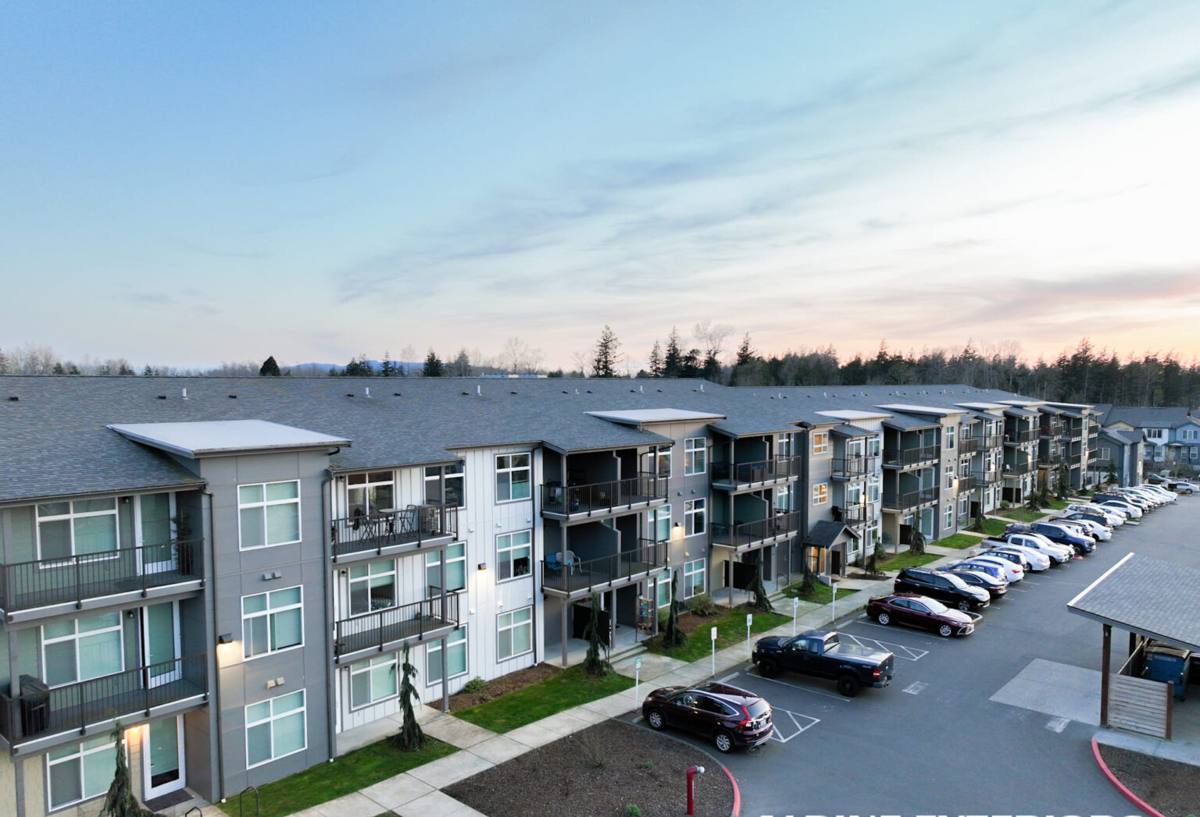
What Salt Air, Rain, and Moss Actually Do to Siding
Salt Air
Airborne salt doesn't just sit on a wall — it works into seams, fastener heads, and any exposed edge of a siding material. On wood-based products, that moisture-laden salt air accelerates swelling and softening at the cut edges. On metal fasteners and trim, it speeds corrosion if the wrong hardware was used. Over years, this is often what causes premature paint failure and edge deterioration on homes near the water, well before the field of the siding itself looks worn.
Driving Rain
Wind off the water doesn't fall straight down — it drives rain sideways into wall assemblies, which puts real pressure on laps, seams, and anywhere two pieces of siding meet. A siding system with sloppy overlaps or the wrong flashing detail will let water track behind the cladding in these conditions, even if it looks fine from the curb. This is a house-wrap and flashing problem as much as a siding-material problem, and it's one we plan for specifically on wind-exposed Similk Beach elevations.
The Long Moss Season
Shade, moisture, and mild temperatures mean moss and algae have a long growing window here — longer than in drier parts of the county. Moss holds moisture directly against the siding surface, and on materials that absorb water or swell when wet, that constant dampness is what eventually leads to soft spots, cupping, or paint bubbling. Siding with a factory-applied, moisture-resistant finish handles this dramatically better than field-painted or bare wood-based products.
Why James Hardie Fiber Cement Fits This Site
We install James Hardie exclusively, and Similk Beach is a good example of why. Fiber cement is non-combustible and dimensionally stable — it doesn't swell, warp, or absorb water the way wood-based or wood-fiber composite siding can. That matters directly here: a material that doesn't take on moisture is a material that moss and salt-laden damp air can't slowly degrade from the inside out.
James Hardie's ColorPlus factory finish is baked on under controlled conditions, which gives it better adhesion and UV/moisture resistance than field-applied paint. On a site like this one, where the siding stays wet longer and gets more sun-shade cycling under tree cover, that finish durability is the difference between repainting every several years and going a long stretch without touching it.
Hardie also builds specific HZ5 product formulations engineered for wetter, harsher climate zones — which is the category the Pacific Northwest coastal belt falls into. That's not a marketing detail; it's an actual engineering distinction in how the board is formulated for moisture exposure.
Why We Don't Install the Alternatives Here
We get asked about vinyl, LP SmartSide, and cedar fairly often, especially from owners comparing costs. Each of those has legitimate uses elsewhere, but on a site with this much sustained moisture exposure:
- Vinyl can warp or distort with sustained heat-and-moisture cycling and its seams are a weak point exactly where driving rain wants to get in.
- LP SmartSide and similar wood-strand products are engineered wood — better than raw lumber, but still wood-based, meaning sustained dampness and edge exposure remain long-term risk factors.
- Cedar looks great initially but demands ongoing sealing and maintenance to resist moisture and moss in a climate that gives it very little chance to dry out between rain events.
None of these are "bad" products in every setting. They're just a harder match for a site where the siding rarely gets a long dry stretch to recover, which is why we standardized on fiber cement instead of carrying multiple product lines.
What a Correct Installation Looks Like Out Here
The material only performs as well as the install underneath it. On a coastal-influenced, shaded site like Similk Beach, a few details matter more than usual:
Water Management Behind the Siding
Proper weather-resistive barrier, correctly lapped flashing at every window, door, and penetration, and a drainage plane that lets any incidental moisture escape rather than pool. This is the layer that actually stops driving rain — the siding is the second line of defense, not the first.
Fastening and Hardware
Corrosion-resistant fasteners, installed to Hardie's specified nailing pattern and edge distances. Skipping this is exactly where salt-air corrosion shows up first — at fastener heads and cut edges that weren't properly sealed or set.
Clearances
Correct clearance from grade, decks, roof lines, and plantings so the siding isn't sitting in a permanently damp microclimate. Given how much moss and shade this area already deals with, clearance mistakes compound the problem instead of just being cosmetic.
Joint and Seam Treatment
Properly sealed and shielded butt joints and corners, since these are the first place wind-driven rain finds a way in if they're rushed.
Comparing Siding Options for a Site Like Similk Beach
| Material | Moisture Behavior | Maintenance | Fit for This Climate |
|---|---|---|---|
| James Hardie Fiber Cement | Doesn't absorb/swell; factory finish resists moisture | Low — occasional wash | Strong match, HZ5 formulation for wet climates |
| Vinyl | Can warp/distort with heat-moisture cycling | Low, but seams are vulnerable | Weaker match on exposed, wind-driven sites |
| LP SmartSide | Wood-strand base, moisture-sensitive at edges | Moderate — edge sealing matters | Better than raw wood, still a coastal risk |
| Cedar | Absorbs moisture, prone to moss retention | High — regular sealing/staining | Demanding upkeep in a long-moss climate |
Our Process for Similk Beach Projects
Every project starts with an in-person look at the specific elevations that take the worst of the weather — usually the sides facing open water or prevailing wind. From there:
- Assess the existing wall assembly and any moisture or moss damage already present
- Confirm water management plan — house wrap, flashing details, and drainage at every penetration
- Select the right Hardie product line and ColorPlus finish for the home's exposure and style
- Install to Hardie's specified fastening, clearance, and joint details, adjusted for this site's wind and moisture exposure
- Final walk-through covering care basics — mainly, what to expect from moss and how to keep growth off the siding without damaging the finish
What to Ask Before Hiring Anyone for This Kind of Job
Similk Beach's conditions punish a rushed or generic install faster than a more sheltered lot would. Before hiring a crew for James Hardie siding here, it's worth confirming a few things directly:
- Are they James Hardie factory trained/certified, or just familiar with the product?
- Will they specify the HZ5 (or appropriate) product line for a coastal-exposure site, not just a standard inland spec?
- Can they describe their water management and flashing approach in specific terms, not just "we follow code"?
- Do they use corrosion-resistant fasteners as standard, not as an upgrade?
- Have they actually worked on homes in this specific area, and do they understand why it behaves differently than drier parts of the county?
What Homeowners Notice After a Correct Install
The most common feedback we hear isn't about a dramatic transformation — it's the absence of problems. No repainting every few years. No soft spots showing up near the ground line. Moss still grows on the site the way it grows on everything out here, but it doesn't take hold in the siding itself the way it can with a moisture-absorbing material. That's really the goal on a site like this: siding that ages predictably instead of surprising you five years in.
Anacortes and Skagit County living means accepting a certain amount of rain, salt air, and shade year-round — the siding shouldn't be the part of the house that struggles with it. If you're weighing options for a home in Similk Beach, we're glad to come look at your specific exposure and walk through what a properly detailed James Hardie install would involve — no pressure, just a straight assessment. Reach out for a free estimate using the form below.