 Anacortes Exterior
 Windows Built for Similk Beach's Waterfront Exposure
Similk Beach sits close enough to the water that homes here take a different kind of weathering than houses a few miles inland in Anacortes. Salt-laden air works into aluminum cladding, vinyl gaskets, and exposed hardware faster than it does in drier parts of Skagit County. Add the driving rain that comes off the Sound during winter storms, plus a moss season that can stretch from late fall through spring, and you have a set of conditions that punishes windows chosen for looks alone. A window that isn't detailed correctly for this exposure will show it early — cloudy glass seals, chalky or pitted frames, soft trim, and drafts that show up right where the sash meets the frame.
Custom windows done right for this neighborhood aren't about upgrading to something fancier. They're about matching the frame material, the flashing detail, and the installation sequence to what this specific location actually throws at a house.
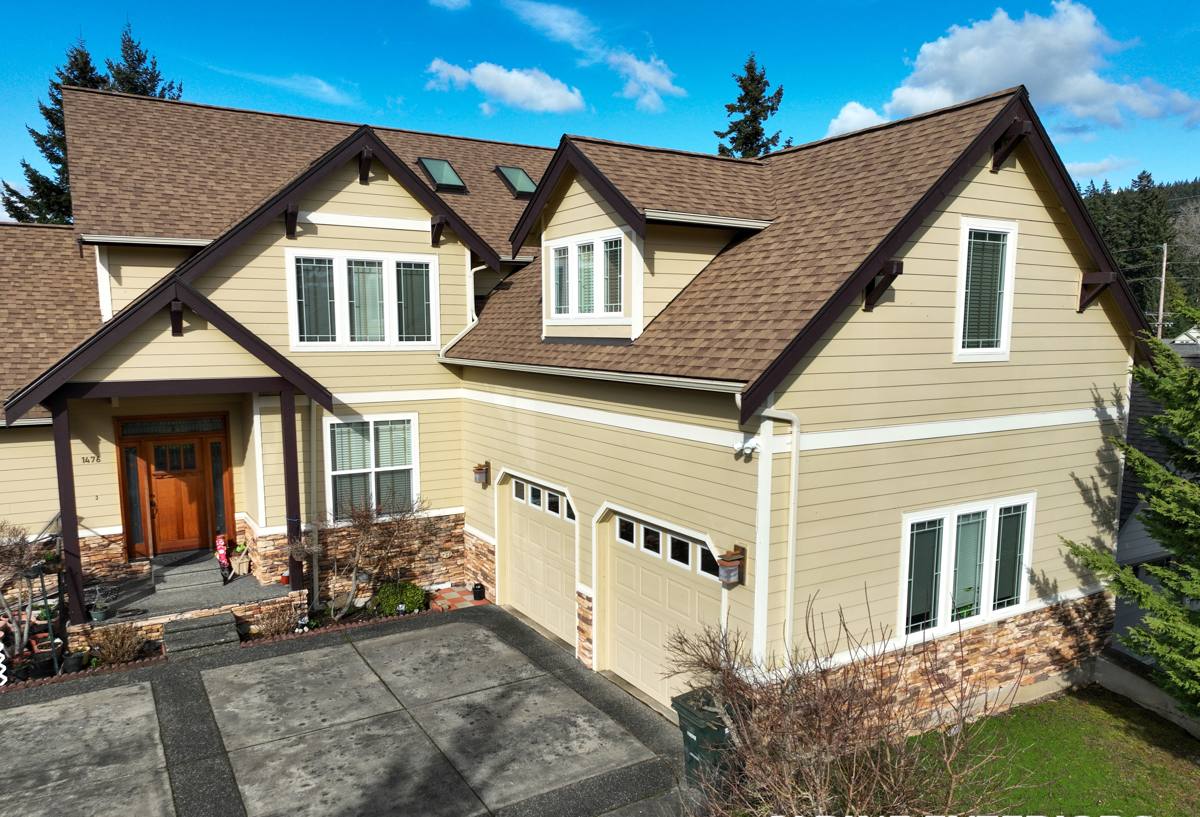
What "Custom" Actually Means Here
Custom doesn't mean unusual shapes or high-end trim packages, though we do that work too. On most Similk Beach jobs, custom means the window is built to the exact rough opening rather than forcing a stock size into a wall that's settled or slightly out of square — which is common in older coastal homes. It also means choosing frame material, glass package, and hardware based on which direction the wall faces, how exposed it is to wind-driven rain, and how much upkeep the homeowner actually wants to do.
Common reasons homeowners in this area go custom
- Replacing failed dual-pane units where the seal has fogged from years of temperature swings and moisture cycling
- Matching an odd or older rough opening instead of resizing the wall to fit a stock window
- Upgrading from aluminum-frame originals that conduct cold and sweat on the inside during winter
- Adding impact-resistant or laminated glass on water-facing elevations exposed to wind-driven debris
- Correcting a prior installation where flashing was skipped or done out of sequence
Frame Materials: What Holds Up Near the Water
Frame choice matters more here than in a lot of inland Skagit County neighborhoods. Salt air accelerates corrosion on unprotected metal fasteners and can degrade certain finishes faster than the manufacturer's inland test data suggests. We steer most Similk Beach clients toward vinyl or fiberglass frames with corrosion-resistant hardware, and we're selective about aluminum-clad wood products in this specific exposure — not because the material is bad, but because the maintenance schedule needed to keep it performing near salt water is more demanding than most homeowners want to sign up for.
| Frame Type | Salt Air Behavior | Maintenance Near Water | Typical Fit |
|---|---|---|---|
| Vinyl | Won't corrode; UV-stable finishes hold up well | Low — occasional cleaning | Most Similk Beach replacements |
| Fiberglass | Excellent corrosion and moisture resistance | Low | Higher-exposure walls, larger openings |
| Aluminum-clad wood | Attractive but hardware and seams need monitoring | Higher — regular inspection recommended | Sheltered elevations, design-driven choices |
| Bare aluminum | Prone to pitting and corrosion in salt air over time | High | Generally not our recommendation here |
We'll talk through these trade-offs honestly during an estimate rather than pushing whatever's easiest to install. If a homeowner wants an aluminum-clad look and understands the upkeep, we'll build it correctly and tell them what to watch for.
Glass and Weatherproofing Detail
Glass package matters as much as frame material. Most replacements here get dual- or triple-pane insulated units with a low-E coating, which helps with both winter heat loss and the glare off the water on clear days. For homes with a direct sightline to open water, we'll also discuss laminated glass options for added resistance to wind-driven debris during winter storm systems.
Why Moss Season Changes the Installation Detail
A long moss season doesn't just affect roofs. Moss and algae growth on north-facing siding and trim holds moisture against the wall assembly for extended stretches, and if the window flashing underneath isn't shedding water correctly, that moisture finds the weakest point — usually the bottom corners of the window opening or a nail fin that wasn't lapped correctly with the house wrap. We see this show up as soft trim, stained drywall below a window, or a musty smell in a wall cavity that otherwise looks fine from outside.
This is why we treat flashing sequence as part of the custom window job, not an afterthought. A correctly built opening sheds water down and out, past the sill, every time — regardless of how much moss is growing on the siding above it.
Our Installation Process
1. On-Site Assessment
We measure the actual rough opening, check for water damage or soft framing around the existing window, and evaluate the wall's exposure to wind and rain based on which direction it faces relative to the water.
2. Product Selection
Based on that assessment, we recommend frame material, glass package, and hardware finish suited to the specific wall — not a one-size answer for the whole house. A sheltered window on the lee side of the house may not need the same spec as one facing open water.
3. Removal Without Collateral Damage
Old windows come out carefully, with attention to what's underneath. If we find rot, failed flashing, or compromised sheathing, we address it before anything new goes in — installing a new window over a bad opening just hides the problem for a year or two.
4. Flashing and Air Sealing
This is the step that determines whether a window lasts fifteen years or twenty-five in this climate. Proper flashing tape sequencing, correctly lapped house wrap, and a sloped sill pan all matter more here than in drier inland areas because there's simply more water hitting the wall over the course of a year.
5. Setting, Shimming, and Insulating
The window is set plumb and square, shimmed at the manufacturer's specified points, and the gap between frame and rough opening is insulated with a low-expansion foam or backer rod and sealant — never packed solid, which can bow the frame.
6. Exterior Trim and Sealant
Exterior caulking and trim are finished with sealants rated for the temperature swings and UV exposure this location sees, and we check that water has a clear path off the sill and away from the wall.
7. Final Walkthrough
We operate every sash, check the lock hardware, and walk the homeowner through anything they should watch for — especially on faces of the house exposed to prevailing wind.
Signs a Similk Beach Home Needs Window Work Now
- Fogging or haze between panes — the seal has failed and the insulating gas is gone
- Visible corrosion or white powdery buildup on aluminum frames or hardware
- Drafts you can feel at the frame edge, not just through the glass
- Soft or discolored trim below or beside the window
- Difficulty opening or locking sashes that used to move freely
- Condensation forming on the interior glass or frame regularly in winter
- Moss or dark staining on siding directly above a window opening
Cost Factors Worth Understanding
Every custom window job is priced around the specifics of the opening and the product, not a flat per-window rate. The main variables we walk through with homeowners:
| Factor | Why It Affects Cost |
|---|---|
| Frame material | Vinyl, fiberglass, and clad-wood carry different material and labor costs |
| Opening condition | Rot or flashing repair adds labor before the new window goes in |
| Glass package | Laminated, triple-pane, or specialty coatings cost more than standard dual-pane |
| Size and configuration | Large picture windows, bays, or custom shapes take more time to fabricate and install |
| Access and elevation | Second-story or hard-to-reach openings add setup and safety considerations |
We give homeowners a real number after seeing the opening in person — broad estimates without an on-site look tend to be wrong in one direction or the other.
Why It Matters to Hire a Crew That Knows Similk Beach
Window installation isn't identical everywhere in Skagit County. A crew used to inland framing may not think twice about a flashing detail that's non-negotiable a few blocks from the water. We work in this area regularly, which means we already know which elevations tend to take the worst of winter storms, how moss and algae growth behaves on nearby homes, and what kind of frame corrosion shows up after a few seasons if the wrong hardware gets used. That local pattern recognition is the difference between a window that's installed correctly on paper and one that's actually built for where it sits.
We're an Anacortes-based exteriors contractor, and Similk Beach is part of our regular service area — not a special trip. That matters for warranty follow-up too: if something needs a look in a year or two, we're close by and familiar with the house.
Get a Straight Answer on Your Windows
If you're dealing with drafts, fogged glass, or a window that's just never sealed right since the day it went in, we're happy to take a look. We'll give you an honest read on whether it needs replacement now or can wait, and what it would take to do it correctly for a Similk Beach location. Reach out for a free, no-pressure estimate using the form below.