 Anacortes Exterior
 La Conner's Climate Is Harder on Siding Than It Looks
La Conner sits close enough to the water that homes here deal with a combination most inland Skagit County properties don't: salt-laden air off the Swinomish Channel, driving rain that comes in sideways during winter storms, and a long, damp shoulder season that keeps north-facing walls shaded and wet for weeks at a time. None of that is dramatic on its own. It's the combination, repeated year after year, that wears siding down faster than homeowners expect.
Salt air is corrosive to fasteners and hard on painted finishes, driving rain finds every gap in flashing and trim, and moss doesn't just grow on roofs — it takes hold in siding laps, behind trim boards, and in any spot where water sits instead of shedding. A siding job that would hold up fine in a drier part of the state can fail early here if it wasn't built for these specific conditions.
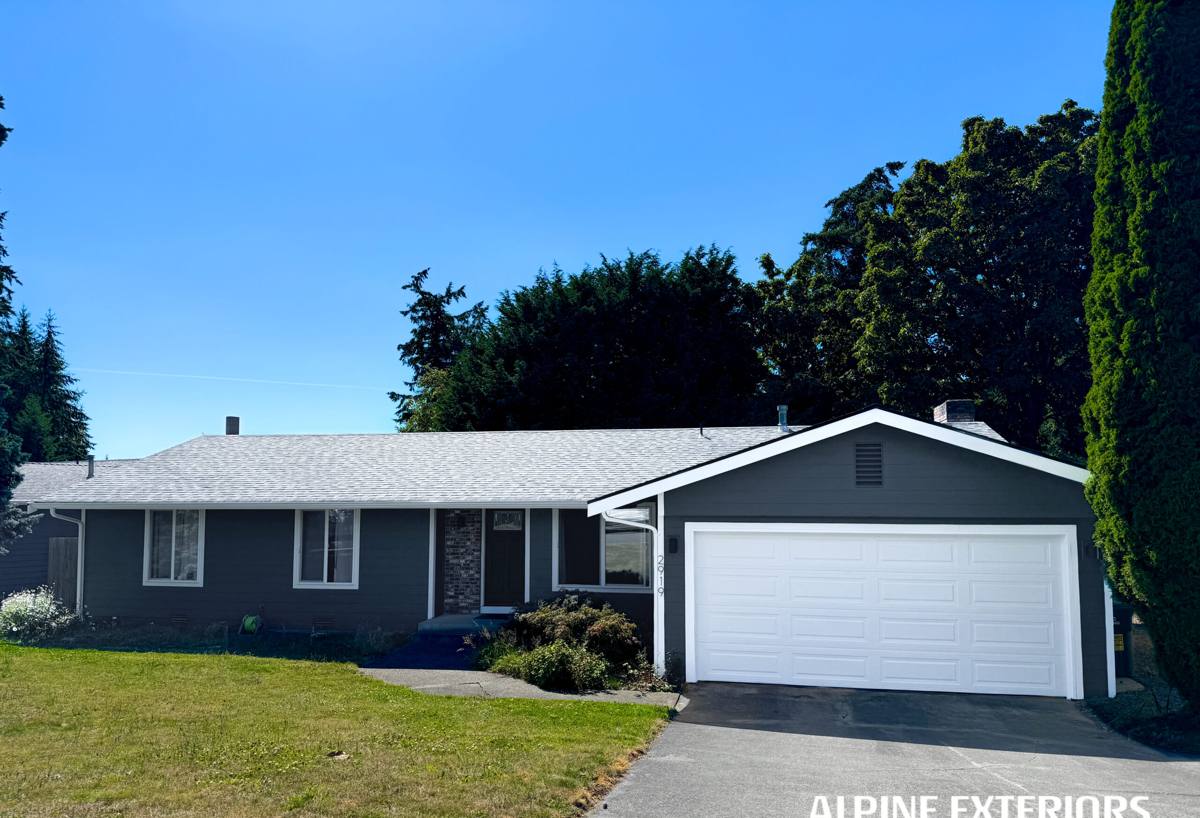
What Local Homes Actually Need From Their Siding
Siding in this area has three jobs, in order of importance: keep bulk water out, let any moisture that does get behind the cladding dry out, and resist the surface effects of salt, UV, and constant dampness. A lot of siding failures we see aren't really material failures — they're installation shortcuts that skipped one of those three jobs.
Water Management Comes First
Correct siding installation starts with what's underneath it: a properly lapped weather-resistive barrier, flashing at every window, door, and horizontal trim break, and a drainage plane that gives water somewhere to go if it gets past the siding face. This matters more in La Conner than in a lot of places, because wind-driven rain off the water pushes moisture into joints and seams that would stay dry in a calmer inland setting.
Drying Capacity Matters Just As Much
No siding system is 100% waterproof forever — caulk ages, fasteners work loose, trim shrinks. What separates a durable installation from a problem one is whether the wall assembly can dry out when a small amount of moisture gets in. A rainscreen gap behind the siding, correct flashing laps, and material that doesn't hold water against the sheathing all give the wall a chance to recover between storms instead of staying damp all winter.
Why We Install Only James Hardie Fiber Cement
We standardized on James Hardie fiber cement siding for every job we do, including here in La Conner, and we don't install vinyl, LP SmartSide, cedar, primed spruce, or other fiber cement brands. That's not a marketing position — it's a practical one, built around what actually holds up in this climate over decades, not just the first few years.
Fiber cement is non-combustible, dimensionally stable in wet-dry cycling, and doesn't feed moss and mildew growth the way untreated wood products can. James Hardie's HZ5 product line is engineered specifically for climates with more rain and moisture exposure, which is exactly the profile of a shoreline community like La Conner. The ColorPlus factory finish is baked on under controlled conditions rather than field-applied, which matters in an area where humidity and salt air are hard on paint adhesion over time. Combined with a strong transferable warranty, it's the product we're willing to put our name behind on every home we side.
Signs a La Conner Home Needs New Siding
- Soft spots, bubbling, or visible rot around window and door trim
- Persistent moss or dark streaking on siding faces, especially on north and west-facing walls
- Paint that's peeling, chalking, or failing faster than a normal repaint cycle would suggest
- Visible warping, cupping, or separation at siding laps and corner boards
- Rising energy bills that point to a failing weather barrier behind the siding
- Fasteners that are rusting through or backing out of the siding face
Any one of these can be a minor fix. Several showing up together, especially on the sides of the house that take the most wind and rain, usually means the underlying water management has been compromised and a full replacement is the more honest answer than another round of patching.
How We Approach a Siding Installation Here
1. Assessment and Tear-Off
We start by pulling the existing siding and inspecting the sheathing underneath. This is where hidden problems from years of moisture exposure show up — soft sheathing, compromised framing, or a weather barrier that was never installed correctly in the first place. Nothing gets covered back up until we know what's underneath it.
2. Repair and Weather Barrier
Any damaged sheathing or framing gets repaired before anything else happens. Then we install a new weather-resistive barrier, lapped correctly from the bottom up, with flashing integrated at every penetration and horizontal transition.
3. Rainscreen and Drainage
We build in a drainage gap behind the siding so bulk water and incidental moisture have somewhere to go and a way to dry out, rather than sitting against the sheathing.
4. Hardie Installation to Manufacturer Spec
Fastener spacing, nailing patterns, caulk joints, and trim details all follow James Hardie's published installation requirements — this is what keeps the warranty valid and what actually determines how the siding performs in a wet, salty climate over 20-plus years, not just the first five.
5. Final Detailing and Walkthrough
Trim, caulking, and touch-up work get finished, and we walk the exterior with the homeowner before calling the job done.
Comparing Siding Options for a Shoreline Skagit County Home
| Material | Moisture Performance | Salt Air Durability | Long-Term Maintenance |
|---|---|---|---|
| James Hardie Fiber Cement (HZ5) | Excellent — dimensionally stable, engineered for wet climates | Strong, factory finish resists fading and chalking | Low — occasional cleaning, no repainting cycle for years |
| Vinyl Siding | Can warp or buckle with temperature swings; seams are a water entry risk | Can fade and become brittle faster near salt air over time | Low upfront, but replacement rather than repair when damaged |
| Cedar / Wood | Prone to moisture absorption, rot, and moss without diligent upkeep | Needs regular sealing to resist salt and UV exposure | High — refinishing, caulking, and rot repair on a recurring cycle |
| LP SmartSide (engineered wood) | Vulnerable at cut edges and joints if not sealed correctly | Moderate — depends heavily on installation quality | Moderate — edge sealing and finish upkeep matter more than with fiber cement |
What Affects Cost on a Job Like This
| Factor | Why It Matters |
|---|---|
| Condition of existing sheathing | Hidden rot or water damage found during tear-off adds repair scope before new siding goes on |
| Home size and wall complexity | More corners, trim details, and window/door openings mean more labor and material |
| Siding profile and color | Lap width, texture, and ColorPlus finish selections vary in material cost |
| Existing drainage plane | Whether a rainscreen system needs to be added or upgraded affects install time |
| Access and site conditions | Waterfront lots, tight setbacks, and elevation changes affect staging and labor |
We don't quote specifics without seeing the home, but these are the variables that move a bid up or down, and we walk homeowners through each one during the estimate.
Why Local Experience in La Conner Matters
A crew that's already worked on homes in this stretch of Skagit County knows which walls take the worst of the wind-driven rain, how moss behaves on shaded elevations near the water, and how salt air actually treats different fastener and trim materials over time — not in theory, but from having pulled old siding off local homes and seen what held up and what didn't. That experience shows up in the small decisions during a job: where to add extra flashing, which trim details need more attention, and how to sequence the work around the wetter months here.
It also matters for accountability. A contractor working regularly in La Conner has a reputation to protect with neighbors, not just a single job to finish and move on from.
Caring for Hardie Siding After Installation
- Rinse siding periodically to remove salt residue and prevent moss from getting a foothold
- Keep gutters clear so overflow doesn't run down siding faces repeatedly
- Trim back vegetation that keeps siding shaded and damp
- Inspect caulk joints at trim and penetrations every year or two and touch up as needed
- Address any impact damage promptly rather than letting it sit through a wet season
Fiber cement is low-maintenance compared to wood or vinyl, but "low-maintenance" isn't "no-maintenance" — a little seasonal attention goes a long way toward getting the full lifespan out of the installation.
If your La Conner home's siding is showing its age or you're planning ahead of a repaint cycle, we're happy to take a look and give you a straightforward, no-pressure estimate — just fill out the form below.