 Anacortes Exterior
 Deck Repair Built for Mount Vernon's Climate
Mount Vernon sits in the heart of Skagit County, close enough to the water that marine air, long wet winters, and a stretch of moss season every year all take a toll on exterior wood. A deck here doesn't fail the way a deck fails in a dry climate. It fails from the inside out — moisture working into joints, fasteners corroding under the surface, and organic growth holding water against the boards long after a storm has passed. If you own a deck in this area, repair isn't a one-time event. It's ongoing maintenance against a climate that never really lets up.
We work on decks throughout the Anacortes and Mount Vernon area regularly, which means we're not guessing at what your deck has been through. We know what a Skagit County winter does to fasteners, ledger boards, and railings, and we know which repairs actually hold up here versus which ones look fine for a season and then fail again.
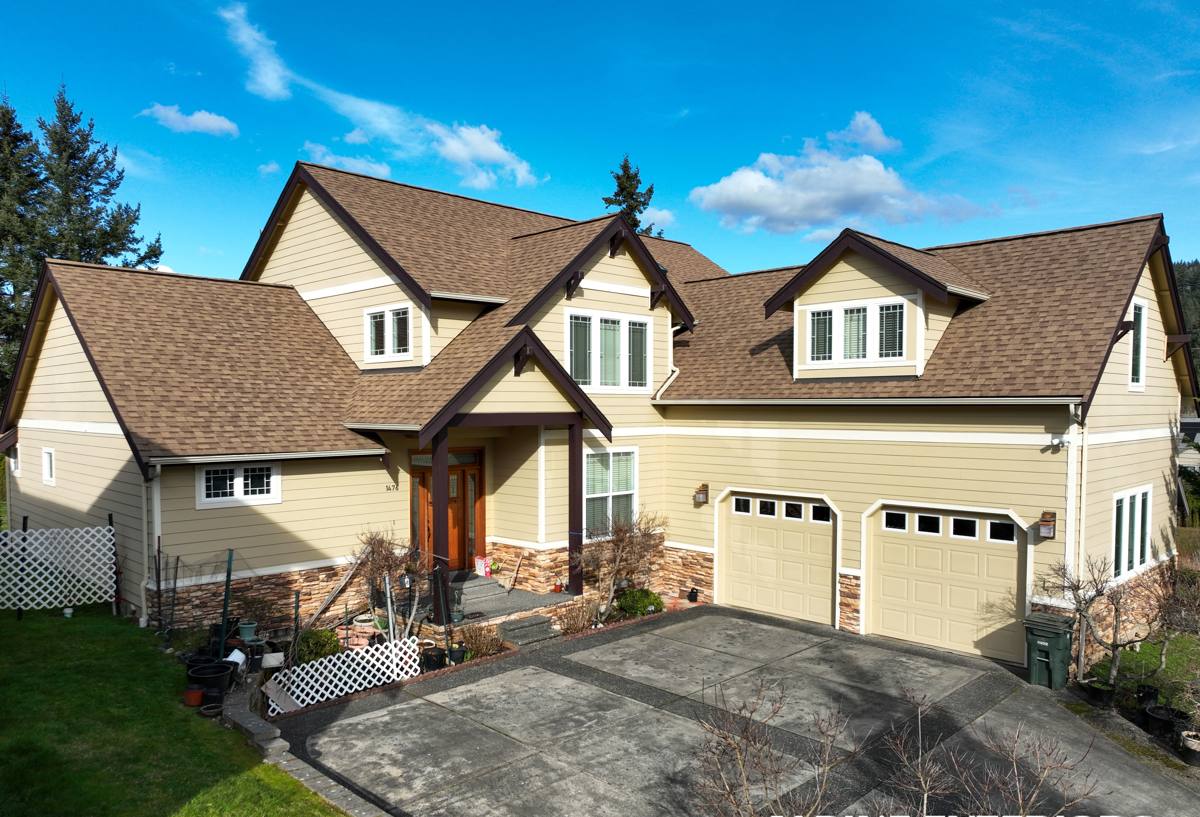
What Driving Rain and Moss Actually Do to a Deck
Homeowners often assume deck damage is about the wood getting old. More often, it's about water finding a path it shouldn't have. Understanding the failure pattern helps explain why a proper repair looks different from a quick patch.
Moisture Intrusion
Driving rain doesn't just fall straight down — wind pushes it sideways, into gaps between boards, around fastener heads, and behind railing posts. Once water gets past the surface, it doesn't dry out quickly in our climate. Wood stays damp for days, sometimes weeks, especially in shaded or north-facing areas. That prolonged dampness is what leads to soft spots, rot, and eventually structural weakness.
Moss and Organic Growth
A long moss season means more than a slippery, unattractive surface. Moss and algae hold moisture directly against the wood or composite decking, keeping that surface wet far longer than open air ever would. On wood decks, this accelerates rot. On composite and older PVC boards, trapped moisture and organic buildup can degrade the surface finish and, over time, contribute to material breakdown at seams and fastener points.
Corroding Hardware
Fasteners, joist hangers, and structural connectors are often the first thing to fail — and the least visible. Salt-laden marine air combined with constant moisture accelerates corrosion in hardware that isn't rated for exterior, coastal-adjacent exposure. A deck can look structurally sound on the surface while the connections holding it together are quietly failing underneath.
Signs Your Mount Vernon Deck Needs Repair, Not Replacement
Not every issue means a full rebuild. A lot of what we see is repairable if it's caught before the damage spreads. Here's what we look for during an inspection:
- Soft, spongy, or spring-feeling boards when you walk across them
- Visible gaps, cupping, or separation between deck boards
- Rust staining around fastener heads or streaking down support posts
- Wobble or movement in railings or stair stringers
- Moss or dark staining that returns quickly after cleaning
- Gaps or separation where the deck ledger board meets the house
- Cracked, split, or splintering boards near high-traffic areas
- Discoloration or a chalky texture on composite decking surfaces
The ledger board connection — where the deck attaches to the house — deserves special attention. It's one of the most common failure points in our climate because it's a joint where two materials meet, water tends to collect, and any gap in flashing lets moisture work into the house framing itself, not just the deck. We always check this connection closely, even on repair calls that start out about something else.
What a Correct Deck Repair Involves
A proper repair starts with figuring out why the damage happened, not just patching what's visible. Replacing a rotted board without addressing the moisture source or the corroded hardware underneath just buys you another year or two before the same spot fails again.
Inspection First
We check the structural frame — joists, beams, posts, and footings — before we touch the decking surface. Surface damage is often the easiest thing to spot and the least important thing structurally. We're more concerned with what's holding the deck up than what you walk on.
Fastener and Hardware Assessment
Given how much corrosion we see in this climate, we check joist hangers, structural screws, and post connections for rust and weakening, not just the visible nail or screw heads on the surface boards.
Flashing and Ledger Review
If the ledger board flashing is missing, damaged, or was never installed correctly, we address that as part of the repair. This is often the difference between a repair that lasts and one that reopens the same problem in a year or two.
Board Replacement Done Right
Damaged boards get replaced with materials matched to what performs well in this climate, properly fastened and spaced to allow for drainage and airflow — which matters more here than in drier regions, since boards that sit tight together trap moisture and speed up rot.
Wood vs. Composite: What to Consider for a Repair
When we're replacing sections of an existing deck, homeowners sometimes ask whether it's worth switching materials for the repaired area, or sticking with what's already there. There's no universally right answer — it depends on the deck, the budget, and how much upkeep you want to take on.
| Factor | Wood (Cedar/Pressure-Treated) | Composite |
|---|---|---|
| Upfront repair cost | Generally lower | Generally higher |
| Moss and mildew resistance | Needs regular cleaning and sealing to resist growth | More resistant to surface staining, but still needs cleaning |
| Maintenance | Periodic sealing/staining required to shed water | Low maintenance, occasional washing |
| Matching existing deck | Easier to blend with an existing wood deck | Only practical if the whole deck is composite or being converted |
| Long-term moisture behavior | Can rot if maintenance lapses | Won't rot, but trapped moisture at fastener points can still be an issue |
For a partial repair, matching the existing material is usually the practical choice — mixing wood and composite boards on the same deck rarely looks good and can create uneven maintenance needs. For decks that are due for a larger renovation down the road, it's worth having that conversation separately.
Our Repair Process
We keep this straightforward because deck repair doesn't need to be complicated when it's done by people who know what they're looking at.
- On-site inspection. We walk the full deck, check the substructure where accessible, and identify both the visible damage and the underlying cause.
- Honest assessment. We tell you what actually needs repair, what's cosmetic, and what to keep an eye on going forward. If a full rebuild genuinely makes more sense than ongoing repair, we'll say so — but we don't push replacement when a repair will hold up.
- Written estimate. Clear scope, clear pricing, no surprise add-ons once work is underway.
- Repair work. Structural fixes first, then decking surface, then railings and finishing details.
- Final walkthrough. We check the work with you before we consider the job done.
Why Hire a Crew That Already Works in Mount Vernon
Deck repair isn't the same job everywhere. A contractor who mostly works in a dry inland climate is going to make different assumptions about moisture, hardware, and material choices than one who works Skagit County year-round. We're already familiar with how driving rain moves through this area, how long moss season tends to run, and which parts of a deck fail first because of it.
That local experience shows up in small decisions that matter: which fastener grade actually holds up, where flashing tends to get skipped in original construction, and which repair shortcuts we've seen fail elsewhere and won't repeat on your deck. It's the difference between a repair that's built for your climate and one that just happens to be done in it.
Maintaining Your Deck Between Repairs
A repair lasts longer when it's paired with basic seasonal upkeep. None of this requires professional help, but it makes a real difference in a climate like ours:
- Sweep debris and standing leaves off the deck regularly, especially in fall
- Clean moss and algae buildup before it spreads across boards
- Check for pooling water after heavy rain and confirm the deck still drains properly
- Reseal or restain wood decking on a regular schedule, not just when it looks faded
- Keep an eye on the ledger board area where the deck meets the house
Get a Free, No-Pressure Estimate
If your Mount Vernon deck has soft spots, rust staining, moss that keeps coming back, or just feels less solid than it used to, it's worth having someone take a look before small problems turn into structural ones. We'll walk the deck, tell you honestly what it needs, and put together a clear estimate — no pressure, no upsell. Fill out the form below to get started.