 Anacortes Exterior
 Siding Repair Built for Similk Beach Conditions
Similk Beach sits close enough to the water that homes here take a different kind of beating than houses further inland in Skagit County. The combination of salt-laden air off Similk Bay, wind-driven rain that comes in sideways off the Strait, and the deep shade many of these lots enjoy under mature evergreens adds up to siding problems that show up faster and hide longer than they would on a typical suburban lot. When we get a repair call from this neighborhood, we're not guessing at what we'll find — we've seen the pattern before.
This page is about siding repair specifically for homes in and around Similk Beach: what tends to go wrong here, what a correct repair actually involves, and how our process works from first look to finished wall. We install and repair exclusively with James Hardie fiber cement, and we'll explain why that matters for a repair job, not just a full re-side.
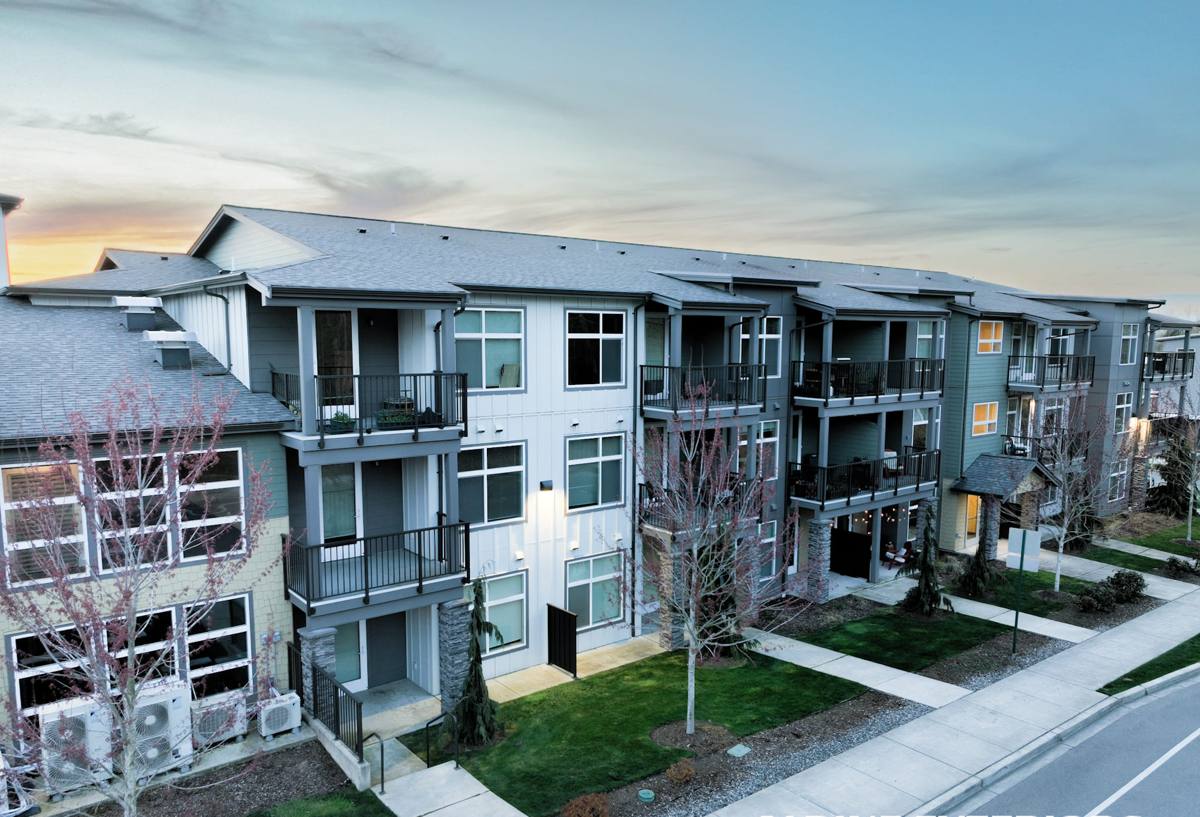
Why Similk Beach Siding Wears Differently
Salt Air and Metal Fasteners
Proximity to saltwater accelerates corrosion on anything metal that touches or sits near your siding — nail heads, flashing, trim fasteners, even staples left behind from old house wrap. Once a fastener starts rusting, it weeps, and that rust streak is often the first visible sign of a problem that's actually happening behind the board. On older homes here we regularly find corroded fasteners well before the siding material itself has failed.
Driving Rain and Wind Exposure
Wind off the water doesn't just bring rain straight down — it pushes it sideways into laps, seams, and anywhere caulking or flashing has started to fail. Siding that would shrug off a normal rainstorm on a sheltered lot can take on water at Similk Beach if the laps aren't tight or the flashing details weren't done right the first time. This is why repair here is as much about water management as it is about the visible board.
Moss and Shade
Many properties in this area sit under a tree canopy that keeps siding shaded and damp longer after every rain. That extended moisture window is exactly what moss and algae need to establish themselves, and once organic growth is holding moisture against a wall, whatever's underneath — wood, composite, or the wrong kind of siding — starts to soften. Long moss season in Skagit County isn't just cosmetic; it's a moisture problem wearing a green coat.
Common Repair Issues We See on Similk Beach Homes
- Rust streaking below fastener heads, especially on the weather-facing (south and west) walls
- Soft or delaminating siding near ground level where splash-back and moss retain moisture
- Cracked or gapped caulking at butt joints and trim, letting wind-driven rain behind the wall
- Moss and algae buildup on shaded elevations, holding moisture against the surface
- Failed or missing flashing at windows, doors, and roof-to-wall transitions
- Warping, cupping, or swelling on wood or engineered wood siding that's been chronically damp
- Paint failure — peeling or bubbling — signaling moisture is moving through the material, not just sitting on top of it
What a Correct Repair Actually Involves
A siding repair that just patches the visible damage without addressing why it happened is a repair you'll be paying for again in a few years. On a Similk Beach home, we treat every repair call as a chance to check the water management behind the siding, not just the siding itself.
Our Process
- Diagnose the source, not just the symptom. We pull back damaged boards and check the house wrap, flashing, and framing underneath before we decide what needs replacing.
- Check for hidden moisture. Areas near ground level, under eaves with poor overhang, and behind trim often hide damage that isn't visible from the yard.
- Replace only what's compromised — correctly. Rotted or delaminated material comes out entirely; we don't skim-patch over a soft substrate.
- Restore proper flashing and water management. If the original install had a flashing gap or a caulk joint doing a job it shouldn't, we fix the detail, not just the board.
- Match and finish with James Hardie fiber cement. Repairs are done with Hardie boards and ColorPlus factory-finished color matching where possible, so the repaired section holds up and looks right next to the original.
Repair vs. Replacement: How We Help You Decide
Not every problem area needs a full re-side, and not every "small" repair should stay small. The table below covers the factors we walk through with Similk Beach homeowners.
| Factor | Favors Repair | Favors Replacement |
|---|---|---|
| Extent of damage | Isolated to one wall or a few boards | Recurring across multiple elevations |
| Underlying material | Sound Hardie or comparable fiber cement | Failing wood, LP, or aging vinyl throughout |
| Cause | One-time event (impact, isolated flashing failure) | Systemic moisture or chronic material failure |
| Age of existing siding | Relatively recent, otherwise performing well | Original siding is decades old and failing broadly |
| Color/finish match | ColorPlus match available or wall will be repainted anyway | Discontinued color, visible patchwork unacceptable |
We'll give you an honest answer either way. If a targeted repair solves the problem, that's what we'll recommend — a full re-side isn't the right call just because it's more work for us.
Why We Only Repair With James Hardie
When we're patching into existing siding, the material matters even more than it does on a new build, because the repair has to perform as well as — or better than — what's already there for decades to come. We standardized on James Hardie fiber cement for every job, repair or full install, for a few concrete reasons:
- It doesn't feed moss and rot the way wood-based products can. Fiber cement is not an organic food source, which matters directly in a shaded, damp environment like Similk Beach.
- It's non-combustible and holds up to the salt-air corrosion cycle better than materials that rely on paint film alone for protection.
- The ColorPlus factory finish is baked on under controlled conditions, giving a more consistent, longer-lasting color match than field-applied paint on a patch.
- The HZ5 product line is engineered for the kind of wet, marine-influenced climate Skagit County sees, so a repair section is built for the same conditions as the rest of the wall.
- A strong transferable warranty backs the product, which matters if you sell the home down the road.
We don't install LP SmartSide, vinyl, Cemplank, Allura, or unprimed wood siding — not because those products have no place in the market, but because after years of doing this work in Skagit County's climate, Hardie is what we're willing to put our name behind, including on repairs.
Why Hire a Crew That Already Works This Neighborhood
Similk Beach isn't a generic Anacortes address — the wind exposure, tree cover, and salt proximity vary block to block, and even lot to lot depending on how close you are to the water and how much canopy you have overhead. A crew that's done repair work in this specific area knows to check for rusted fasteners before they're visibly bleeding, knows which elevations take the worst of the driving rain, and knows where moss tends to establish first. That local pattern recognition shortens the diagnostic process and helps us catch problems while they're still cheap to fix.
What to Expect From Our Repair Visits
- An on-site inspection that includes probing for soft spots, not just a visual walk-around
- A clear explanation of what's causing the damage, not just what we plan to replace
- An honest repair-vs-replace recommendation based on what we actually find
- Work done with James Hardie fiber cement and proper flashing details, not a cosmetic patch
- A written scope before any work begins, so there are no surprises
Maintenance That Extends the Life of a Repair
Once your siding is repaired, a little seasonal attention goes a long way in this climate. Rinsing off moss and salt residue before it establishes, keeping gutters clear so water isn't sheeting down the wall, and trimming back vegetation that keeps a wall shaded and damp all reduce the chance you're calling us back for the same issue. James Hardie siding is low-maintenance compared to wood, but "low-maintenance" in a marine climate still means some upkeep — it's not "no-maintenance."
Get an Honest Look at Your Siding
If you're seeing rust streaks, soft spots, moss buildup, or peeling paint on a Similk Beach home, it's worth having someone look before the damage spreads to the framing underneath. We offer free, no-pressure estimates — we'll tell you straight whether you need a repair, a partial replacement, or nothing at all yet. Fill out the form below to get started.