 Anacortes Exterior
 Siding Built for Edison's Coastal Climate
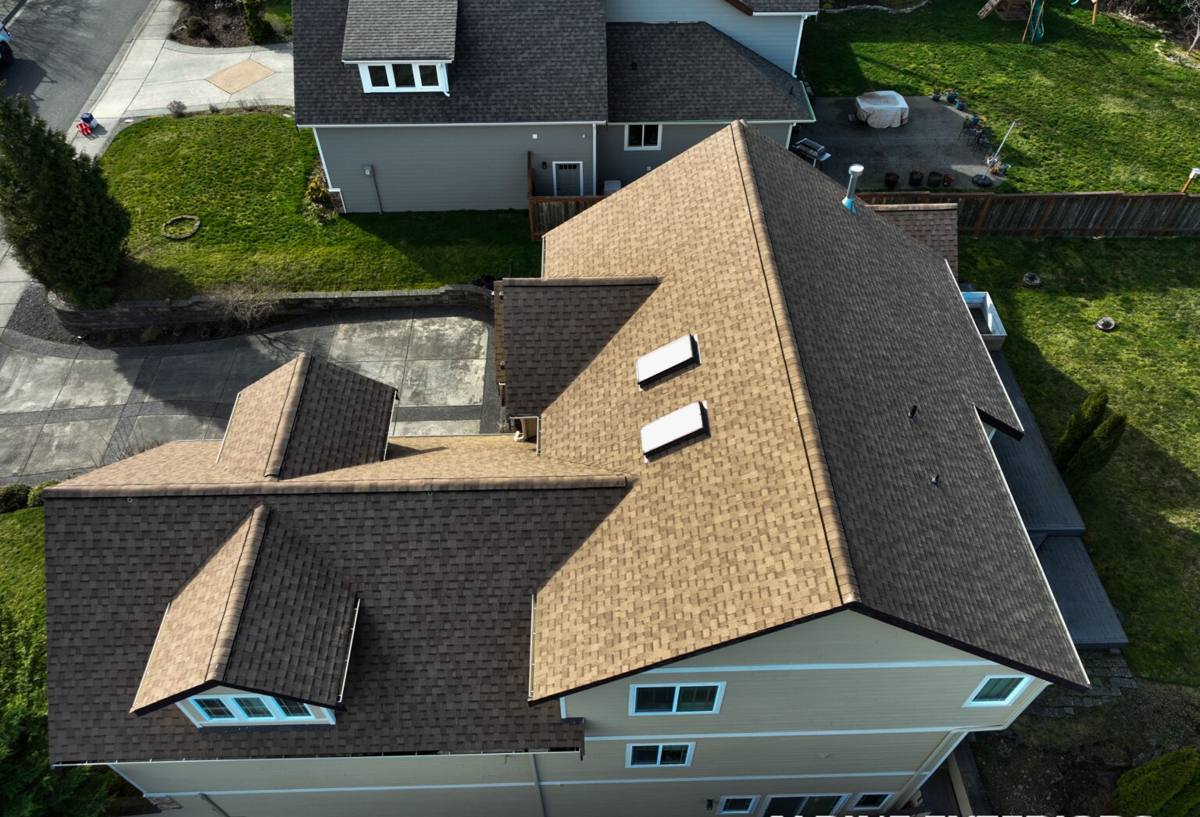
Edison sits in the low, open farmland of Skagit County close to the saltwater of Samish Bay, which means homes here take on a specific combination of punishment that inland Anacortes properties don't deal with in the same way. Salt-laden air moves in off the water, driving rain comes through with very little to slow it down across the flat fields, and the mix of moisture and shade from surrounding trees and hedgerows keeps moss and algae active for most of the year. Any siding installed in this area has to be chosen and installed with all three of those factors in mind, not just one.
A lot of siding failures we get called out to inspect in this part of Skagit County aren't caused by bad luck — they're caused by a product or an installation that wasn't matched to what this climate actually does to a house. That's the starting point for how we approach every Edison project.
What Actually Damages Siding Here
Salt Air and Metal Hardware
Salt air accelerates corrosion on anything metal — fasteners, flashing, trim screws. When a siding job uses the wrong grade of fastener or skips corrosion-resistant flashing details, the first sign of trouble usually isn't in the siding itself, it's rust streaking, loosening panels, or staining around nail heads a few years in. Coastal-adjacent homes need corrosion-resistant fasteners and flashing as a baseline, not an upgrade.
Driving Rain and Water Intrusion
Open, low-lying land near the water means wind-driven rain doesn't just fall on siding, it gets pushed into it. Every seam, joint, and penetration is a potential entry point if it isn't detailed correctly. Once water gets behind siding and can't dry out, it doesn't matter how good the surface material is — the sheathing and framing behind it are what actually fail.
Moss, Algae, and Shade
Skagit County's long wet season, combined with tree cover and hedgerows common around Edison properties, keeps shaded wall sections damp for extended stretches. That's exactly the environment moss and algae need to take hold. On the wrong material, that growth traps moisture against the surface and accelerates deterioration. On the right material, installed with room for the wall to dry, it's a cosmetic issue you can manage rather than a structural one.
Why We Install Only James Hardie Fiber Cement
We made a deliberate decision as a company to install James Hardie fiber cement siding exclusively — we don't install vinyl, LP SmartSide, primed wood, or cedar. That's not a marketing position, it's a response to what we consistently see hold up (and not hold up) on homes in this climate. Fiber cement is non-combustible, it doesn't swell or rot the way wood-based products can when moisture gets behind them, and Hardie's ColorPlus factory finish is baked on under controlled conditions rather than field-applied, which matters a great deal when a house is exposed to salt air and long wet seasons. We'd rather stand behind one product system we trust completely than offer several and hedge our recommendation.
What a Correct Installation Involves
The siding material is only part of the equation. Most of the difference between a job that lasts decades and one that fails early happens in details you can't see once the project is finished:
- A continuous weather-resistant barrier installed and lapped correctly behind the siding
- Properly flashed windows, doors, and any wall penetrations, with corrosion-resistant materials appropriate for coastal-adjacent exposure
- A drainage gap (rainscreen) or capillary break so any moisture that does get behind the siding can drain and dry rather than sit against the wall
- Correct fastener type, spacing, and depth per Hardie's installation specifications — over- or under-driven nails are a common cause of premature siding problems
- Proper clearance at grade, decks, and roof lines so siding isn't sitting in standing water or constant splash-back
- Caulking and sealant used only where Hardie's specifications call for it, not as a substitute for correct flashing
Skip any one of these and the siding may look fine for a few years while the real damage happens out of sight. This is why installation quality matters as much as product choice — a premium material installed incorrectly will still fail early.
Choosing the Right Hardie Product Line for This Area
James Hardie engineers its siding by climate zone (HZ5 for the Pacific Northwest's wetter, cooler conditions), and within that there are still choices to make based on the specific home and its exposure:
HardiePlank Lap Siding
The most common choice for homes in this area — a traditional lap profile in a range of textures and reveal widths, with the ColorPlus factory finish standing up well against salt air and UV exposure without the field-painting maintenance cycle other materials require.
HardiePanel Vertical Siding
Often used as an accent or on specific elevations, particularly on more contemporary home styles or in combination with lap siding for visual contrast.
HardieTrim
Matching fiber cement trim closes out the installation properly around corners, windows, and fascia so the whole envelope — not just the field siding — is built from a material suited to this climate.
We'll walk through color and profile options during the estimate, factoring in sun exposure, shade patterns from nearby trees, and how much of the home faces open ground versus tree cover — all of which affect how moss and weathering show up over time.
Our Installation Process
- On-site evaluation of existing siding, sheathing condition, and problem areas (moisture staining, soft spots, failed flashing)
- Removal of old siding and inspection of the sheathing underneath — any rot or damage gets addressed before anything new goes on, not covered up
- Installation of the weather-resistant barrier and flashing details at every window, door, and penetration
- Rainscreen/drainage gap installation where called for by the wall assembly
- Hardie siding installed to manufacturer specification for fastener type, spacing, and clearances
- Trim, corners, and detail work completed with matching fiber cement components
- Final walkthrough so you understand what was done and what to expect from the material going forward
Cost Factors for a Siding Installation Project
Every home is different, but these are the main variables that drive the price of a siding installation project in this area:
| Factor | Why It Matters |
|---|---|
| Home size and wall complexity | More square footage, corners, and roof lines mean more material and labor |
| Existing siding removal | Tear-off and disposal of old material adds time, especially with multiple layers |
| Sheathing repair | Rot or water damage found underneath old siding has to be repaired before new siding goes on |
| Product line and profile | Lap width, panel style, and trim details affect both material cost and labor time |
| Color and finish | Factory ColorPlus finishes vs. field-painted options affect upfront cost and long-term maintenance |
| Access and site conditions | Tree cover, tight setbacks, and multi-story sections can add complexity |
We provide a detailed, itemized estimate after seeing the home in person — general online calculators can't account for what's actually happening behind your current siding.
Signs Your Siding Needs Replacing
- Persistent moss or algae growth that comes back quickly after cleaning
- Soft, spongy, or crumbling sections, especially near the bottom of walls or around windows
- Paint that's peeling, bubbling, or won't hold a fresh coat
- Visible warping, cupping, or gaps opening up between boards
- Rust staining around fasteners or trim
- Rising heating bills that may point to moisture-compromised insulation behind the siding
- Cracks or holes that let moisture track behind the surface material
If you're seeing more than one of these, it's worth having the wall assembly looked at, not just the siding surface — by the time damage is visible outside, there's often more going on underneath.
Why Hire a Crew That Already Works in Edison
Skagit County's coastal-adjacent communities don't all behave the same way — a home a few miles inland can have very different moisture and shade exposure than one closer to the water in Edison. A crew that regularly works this specific area already knows what to check for, which flashing details matter most, and how local moss and algae patterns tend to show up on different elevations. That local pattern recognition is what keeps a project from becoming a learning experience at your home's expense.
If you're weighing a siding replacement or want a second opinion on what's happening with your current siding, we're glad to take a look. Reach out for a free, no-pressure estimate — we'll walk the exterior with you, explain what we find, and give you a straightforward recommendation.