 Anacortes Exterior
 Windows Built for the Ship Harbor Waterfront
Ship Harbor sits close enough to the water that homes here take a different kind of beating than houses further inland in Skagit County. Salt-laden air moves through window frames and hardware year-round, driving rain finds its way into gaps that would stay dry elsewhere, and the long, damp moss season keeps everything around a house wetter for longer stretches than most homeowners expect. Windows are one of the first places that shows up — sticking sashes, fogged glass, soft trim, and drafts that weren't there five years ago.
We work in this specific pocket of Anacortes regularly, which matters more than it sounds like. A window that performs fine in a dry inland neighborhood can fail early here if it wasn't specified or installed with the exposure in mind. This page walks through what that actually means for a Ship Harbor home and how we approach the job.
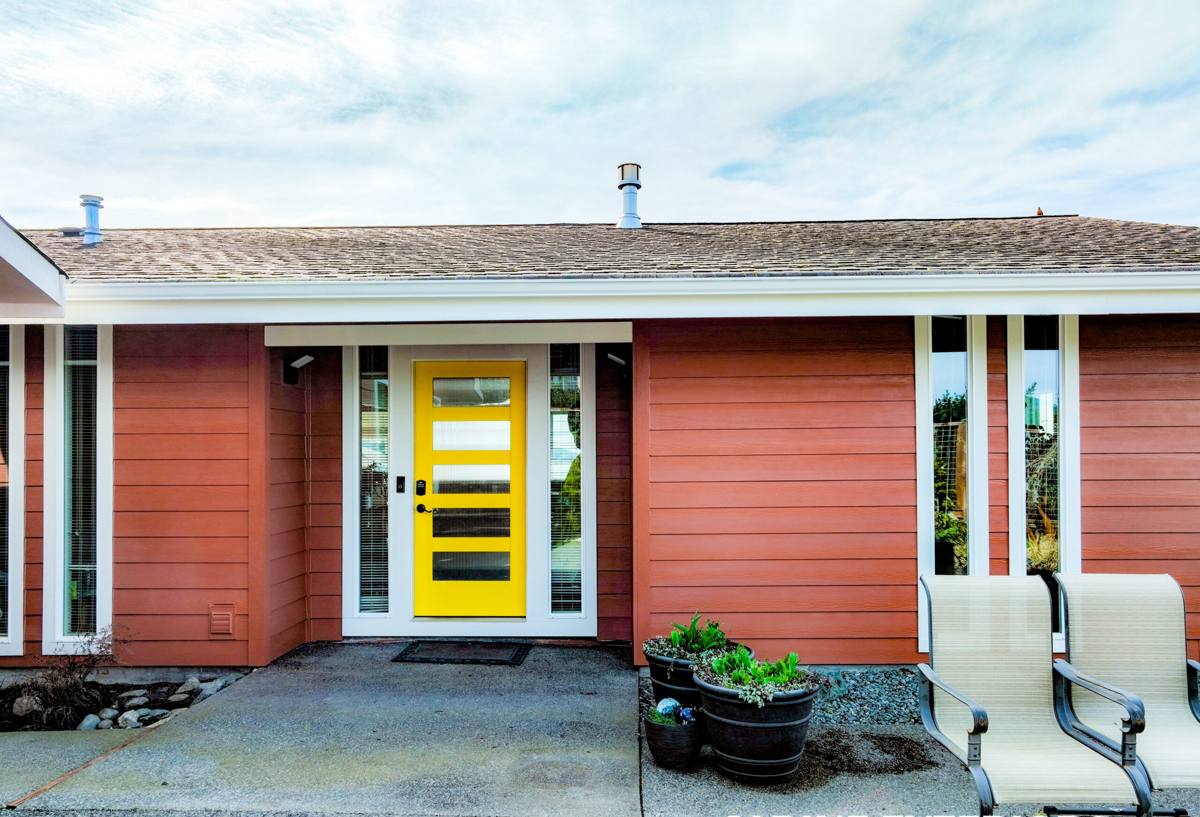
What the Ship Harbor Climate Does to Windows
Salt Air and Metal Components
Salt air accelerates corrosion on anything metal — hinges, balance systems, screen frames, and especially lower-grade fasteners. Aluminum-clad windows and vinyl windows with cheaper hardware are the most common early failures we see near the water. Once hardware starts corroding, sashes stop closing evenly, which opens the door to water intrusion.
Driving Rain and Wind-Driven Moisture
Anacortes gets its share of storms that push rain sideways off the Strait. Windows facing that exposure need proper flashing and a sealed, continuous water barrier behind the trim — not just a bead of caulk around the frame. Caulk alone is a maintenance item, not a water management strategy, and it's usually the first thing to fail.
Moss Season and Sustained Dampness
Skagit County's moss season means extended stretches where trim, sills, and the wood framing around older windows stay damp instead of drying out between rains. That sustained moisture is what actually rots wood — not any single storm. Older wood-frame windows without proper sill pans or drainage paths are especially vulnerable here.
Signs a Ship Harbor Home Needs Window Replacement
- Sashes that stick, drag, or won't latch fully — often a sign of hardware corrosion or frame swelling
- Fogging or condensation between the panes of double-pane glass — the seal has failed and can't be repaired
- Soft or discolored wood at the sill or lower corners of the frame — a sign of moisture intrusion, not just cosmetic wear
- Visible drafts or a noticeable temperature difference near the window in winter
- Paint that keeps failing on wood trim around the window despite regular upkeep
- Noticeably higher heating bills without another clear cause
- Rattling or whistling during windstorms off the water
What a Correct Window Replacement Actually Involves
Swapping a window is straightforward in concept but the details are what determine whether it lasts. For a home in this exposure, we treat these steps as non-negotiable:
Removing the Old Window Properly
We check the condition of the rough opening once the old window is out. In coastal-exposed homes, this is where we sometimes find wood damage that wasn't visible from the interior — soft sheathing, old water staining, or evidence of a prior installation that skipped flashing. Catching this now, before the new window goes in, is the difference between a repair and a much bigger problem in a few years.
Flashing and Water Management
Every new window gets a proper sill pan and flashing sequence that directs any water that gets behind the siding back out, rather than trapping it against the framing. This is the single biggest factor in how well a window holds up against wind-driven rain, and it's also the step that gets skipped most often on budget installations.
Air Sealing and Insulation
The gap between the new window frame and the rough opening gets sealed with the right materials — not stuffed with excess spray foam, which can bow frames and cause the sash to bind. Done correctly, this step is what actually stops drafts, not just the glass itself.
Interior and Exterior Finish
Trim gets reinstalled or replaced so it sheds water correctly, and any exterior caulking is a final seal on top of proper flashing — not a substitute for it.
Choosing the Right Window for a Coastal Exposure
There's no single "best" window brand for every home — the right choice depends on exposure, budget, and how the house is built. For homes in Ship Harbor's salt-air exposure, we generally steer homeowners toward these considerations:
| Frame Material | Coastal Consideration |
|---|---|
| Vinyl | Low maintenance and good value; look for reinforced corners and quality hardware — cheaper vinyl hardware corrodes faster near salt air |
| Fiberglass | Very stable in temperature swings and resists corrosion well; typically a higher upfront cost |
| Wood | Best appearance for older or historic-style homes, but requires ongoing maintenance to hold up against sustained moss-season dampness |
| Aluminum-clad wood | Combines wood interior with a weather-facing exterior shell; cladding and flashing quality matter more here than in drier climates |
Whatever frame material a homeowner chooses, we pay close attention to hardware grade and glass package. Low-E, argon-filled double-pane glass is standard for this climate; triple-pane can make sense for west- or water-facing rooms where wind and cold are both a factor, though it's a cost-versus-benefit conversation we walk through honestly rather than upselling by default.
Cost Factors for Ship Harbor Window Replacement
Every home is different, so we don't quote sight-unseen, but these are the main factors that move the price up or down on a typical project:
| Factor | Why It Matters |
|---|---|
| Number and size of windows | The most direct driver of total project cost |
| Frame material chosen | Vinyl is generally the most affordable; wood and fiberglass cost more |
| Condition of the rough opening | Rot or framing repair found during removal adds labor and material |
| Access and height | Second-story or hard-to-reach windows take more time and equipment |
| Trim and finish work | Matching existing trim profiles or repainting adds to the scope |
| Glass package | Upgraded Low-E coatings or triple-pane glass add cost per window |
Broadly, homeowners in this area should expect window replacement to run from the low thousands per window on the simpler end up into a wider range for larger, harder-to-access, or higher-end wood units. We'll give a firm number after seeing the actual openings.
Why a Local Anacortes Crew Matters Here
We're not describing Ship Harbor's conditions from a spec sheet — we install windows in this exposure regularly and see what actually holds up over time versus what looks fine for the first year or two. That local pattern recognition shows up in small decisions: which hardware grades we recommend, how much flashing overlap we build in on a water-facing wall, and when we tell a homeowner their sill damage is worth addressing now rather than waiting.
A crew that mostly works drier, inland jobs isn't wrong about windows in general — they just haven't seen the specific failure patterns that show up near the Strait after a few wet winters. That's the gap a local installer closes.
Our Process, Start to Finish
- Free on-site estimate — we measure openings, check for existing moisture or hardware damage, and discuss frame and glass options based on your home's exposure
- Written proposal with clear pricing, timeline, and product specifications — no vague allowances
- Scheduling that accounts for weather windows, since flashing and sealing work needs a dry install
- Removal, opening inspection, and any necessary framing repair identified and communicated before we proceed
- Installation with proper flashing, sill pan, and air sealing on every window
- Final trim, cleanup, and a walk-through so you know how to maintain the new windows
Maintaining New Windows in a Salt-Air, Moss-Season Climate
- Rinse salt residue off exterior frames and glass a few times a year, especially after storms
- Check and clean weep holes on vinyl and aluminum-clad frames so water can drain out properly
- Inspect exterior caulking annually and touch up before gaps widen
- Keep gutters and downspouts clear so runoff doesn't sheet directly over window heads
- Trim back vegetation that keeps foliage or moss growth pressed against trim and sills
- Operate sashes periodically through the winter to keep hardware from seizing
If your windows in Ship Harbor are drafty, fogging, or showing soft trim, it's worth having a local crew take a look before it becomes a bigger repair. We offer free, no-pressure estimates — fill out the form below and we'll take it from there.