 Anacortes Exterior
 Windows Built for Oak Harbor's Marine Climate
Oak Harbor sits close enough to the water that homes here take a different kind of beating than houses twenty miles inland. Salt-laden air corrodes unprotected metal fasteners and hardware over time. Wind-driven rain off the Sound doesn't just fall straight down — it gets pushed sideways into window assemblies, testing every seal and flashing detail a house has. And the long, damp moss season that runs through fall, winter, and much of spring keeps trim, sills, and siding around window openings wet for weeks at a stretch. None of this means Oak Harbor is a hard place to own a house. It means windows here need to be selected and installed with those specific conditions in mind, not just dropped in using whatever detail works fine in a drier climate.
When we talk about "custom windows" for this area, we're not just talking about non-standard sizes or shapes, though we do plenty of that. We're talking about matching frame material, glazing, and installation method to a maritime environment that's harder on a house than most people realize until something starts failing.
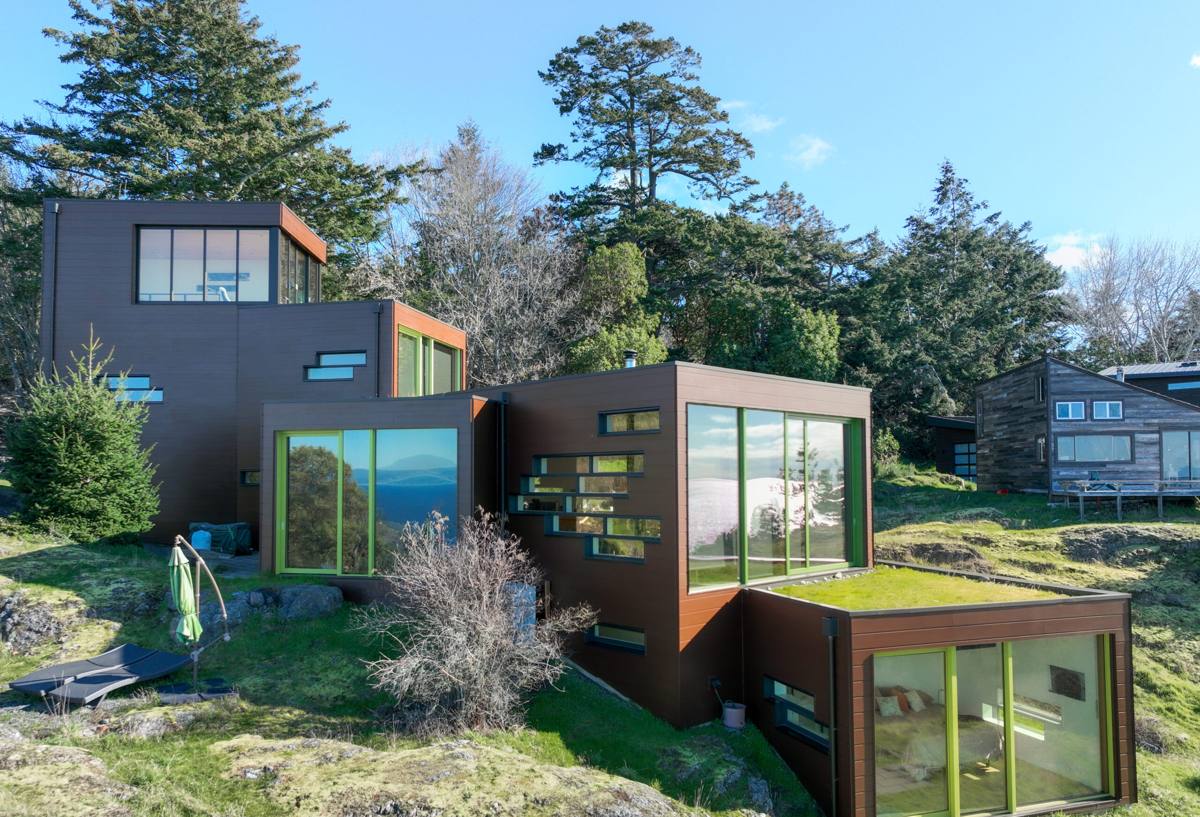
What "Custom" Actually Means Here
Custom windows come into play any time a standard off-the-shelf unit won't do the job right. That covers more situations than most homeowners expect:
- Openings that are out of square or slightly out of true after decades of settling — common in older Oak Harbor housing stock
- Non-standard shapes: arched tops, angled bays, oversized picture windows facing the water
- Matching sightlines and proportions on additions or remodels so new windows don't look bolted onto an older home
- Replacing windows in a wall assembly that needs updated flashing or weather barrier detailing to actually perform in wind-driven rain
- Upgrading glazing or frame material specifically to handle salt air exposure on homes closer to the shoreline
In every one of these cases, an accurate measurement and a correctly built or ordered unit matters more than in a calm inland install. Get the tolerances wrong and you're not just dealing with a cosmetic gap — you're dealing with a gap that wind-driven rain will find.
Frame Materials: What Holds Up Near Salt Air
Frame material choice matters more here than in most parts of the country, because you're weighing moisture exposure, salt exposure, and a long wet season all at once.
| Material | How It Handles This Climate | Maintenance Reality |
|---|---|---|
| Vinyl | Doesn't corrode from salt air, handles moisture well, but quality varies a lot between manufacturers | Low — occasional cleaning, no painting |
| Fiberglass | Very stable dimensionally, resists moisture and salt exposure well, holds paint if color changes are wanted later | Low — durable finish, minimal upkeep |
| Wood (clad or unclad) | Classic look, but exposed wood needs real protection from driving rain and prolonged dampness | Higher — finish maintenance is not optional in this climate |
| Aluminum | Strong and slim sightlines, but bare aluminum hardware and fasteners are vulnerable to salt corrosion without proper coatings | Moderate — depends heavily on coating quality |
We don't push one material on every job. A wood-clad window on a sheltered, east-facing wall away from prevailing weather is a very different bet than the same window facing open water and driving rain. Part of our job is telling you honestly which material fits your specific exposure, not just which one we'd rather sell.
Why We're Selective About Some Products
We won't install certain low-end vinyl or unclad wood products in high-exposure spots on Oak Harbor homes, and it's not because those products are worthless everywhere — it's that thin vinyl profiles and untreated wood sashes have real, predictable trade-offs in constant salt air and moisture: warping, seal failure, hardware corrosion, and shortened service life. We'd rather steer you toward something that will actually hold up for the site conditions than install something that looks fine on day one and causes problems in year three.
Glazing and Seals: Where Driving Rain Actually Gets In
Most window failures near the water aren't glass failures — they're seal and flashing failures. Insulated glass units themselves are fairly reliable. What fails is the perimeter: the sealant between frame and rough opening, the flashing tape or building paper detail above the window, and the sill pan that's supposed to direct any water that does get past the frame back outside instead of into the wall cavity.
For Oak Harbor installs, we pay particular attention to:
- Sill pan flashing so water that reaches the bottom of the frame drains out, not into the wall
- Proper head flashing integration with the existing weather barrier or siding above the opening
- Continuous, correctly lapped sealant beads rated for exterior exposure — not just caulk from whatever tube was on the truck
- Weep holes and drainage paths left clear, not sealed shut by well-meaning but incorrect caulking
Low-E glass with a good warm-edge spacer is worth the upgrade for most Oak Harbor homes — it helps with condensation control in a climate where indoor-outdoor temperature and humidity differences are common through the wet months. But glazing spec is secondary to installation quality. A premium window installed with a sloppy flashing detail will leak. A modest window installed correctly usually won't.
Moss Season and Window Trim
The long moss season around here isn't just a roof problem. Moss and organic buildup collect on horizontal trim surfaces above and around window openings, holding moisture against wood trim and painted surfaces for extended periods. Over years, that constant dampness is what actually breaks down trim and finish — not any single storm. When we replace windows, we look at the surrounding trim condition, not just the window opening itself, because installing a great window into rotted or moisture-compromised trim doesn't solve the underlying problem.
If your existing trim shows soft spots, peeling paint that keeps coming back, or persistent moss and algae staining, that's worth addressing as part of the window project rather than as a separate future repair.
Our Process for a Custom Window Job
1. On-Site Assessment
We look at the actual opening — not just the stated size, but the condition of the framing, the flashing that's already there, and the exposure the window faces (direct weather, sheltered, salt spray distance from water). This is where we catch the out-of-square openings and trim issues that a phone estimate would miss.
2. Material and Glazing Recommendation
Based on exposure, budget, and how the window needs to look with the rest of the house, we recommend a frame material and glazing spec — and explain the trade-offs honestly, including where a cheaper option is genuinely fine and where it isn't.
3. Accurate Measurement and Ordering
Custom units are built to the opening, not the other way around. We double-check measurements before anything goes on order, because a re-order on a custom window costs real time.
4. Removal and Opening Prep
We inspect the framing and sheathing once the old window is out — this is often the first real look anyone gets at hidden water damage — and address any rot or compromised material before the new unit goes in.
5. Flashing, Install, and Seal
Sill pan, flashing integration, and sealant go in following details built for wind-driven rain exposure, not a generic inland install sequence.
6. Final Check
Operation, seal, and trim finish are checked before we call the job done.
Cost Factors for Custom Windows
Exact pricing depends on size, material, glazing, and how much opening prep is needed, but the factors that move the number most are:
| Factor | Why It Affects Cost |
|---|---|
| Frame material | Fiberglass and quality clad-wood run higher than standard vinyl; aluminum varies by coating quality |
| Size and shape | Non-standard shapes and larger picture units require custom fabrication, not stock sizing |
| Glazing package | Upgraded Low-E coatings and warm-edge spacers add cost but improve condensation resistance |
| Opening condition | Rot repair, reframing, or flashing corrections add labor beyond the window itself |
| Number of openings | Doing several windows in one visit is more efficient than one-off installs |
We'll give you a real number after we've actually looked at the opening — not a rough phone quote that changes once we're on site.
What to Check Before You Hire Anyone
- Do they inspect the actual opening in person before quoting, or just go off a phone description?
- Do they explain flashing and sill pan detailing, or just talk about the window brand?
- Are they licensed and insured for exterior work in Washington?
- Will they show you what they find once the old window is removed, especially if there's hidden damage?
- Do they work in this area regularly, or is this a one-off trip for them?
That last point matters more than it sounds. A crew that regularly works Oak Harbor and the surrounding Anacortes area has already seen how local exposure — salt air, wind direction off the water, moss buildup patterns — plays out on real houses over multiple seasons. That's the kind of judgment that doesn't come from a spec sheet.
Why Local Experience Matters for This Job
A window installer who mostly works dry, inland jobs can still install a technically correct window and have it fail here within a few years, simply because the flashing detail or material choice wasn't built for this exposure. We're an Anacortes-based crew that works Oak Harbor regularly, which means we're not guessing at how a given material or install detail holds up in this specific stretch of Skagit County climate — we've seen it firsthand, on repeat visits, across enough houses to know what actually lasts here versus what looks fine for a season and then doesn't.
If you're weighing a custom window project for an Oak Harbor home, we're glad to take a look and give you a straight assessment — no pressure, no upsell script, just an honest read on what your specific opening and exposure actually need. Reach out for a free estimate using the form below.