 Anacortes Exterior
 Why West Anacortes Siding Wears Differently
Homes on the west side of Anacortes sit closer to open water than almost anywhere else in Skagit County. That proximity to the Rosario Strait and Guemes Channel means more than a nice view — it means constant marine air moving across roofs and walls, salt-laden mist settling into siding joints, and a longer stretch of damp, low-light months where moss and algae get a real foothold. Add in wind-driven rain off the water, which pushes moisture sideways into laps and seams that would stay dry in a more sheltered inland yard, and you have a siding environment that's noticeably harder on materials than the regional average.
None of this means West Anacortes homes need exotic materials or unusual construction. It means the basics — drainage, flashing, material selection, and fastening — have to be done correctly and without shortcuts, because this climate finds every weak point faster than a drier one would.
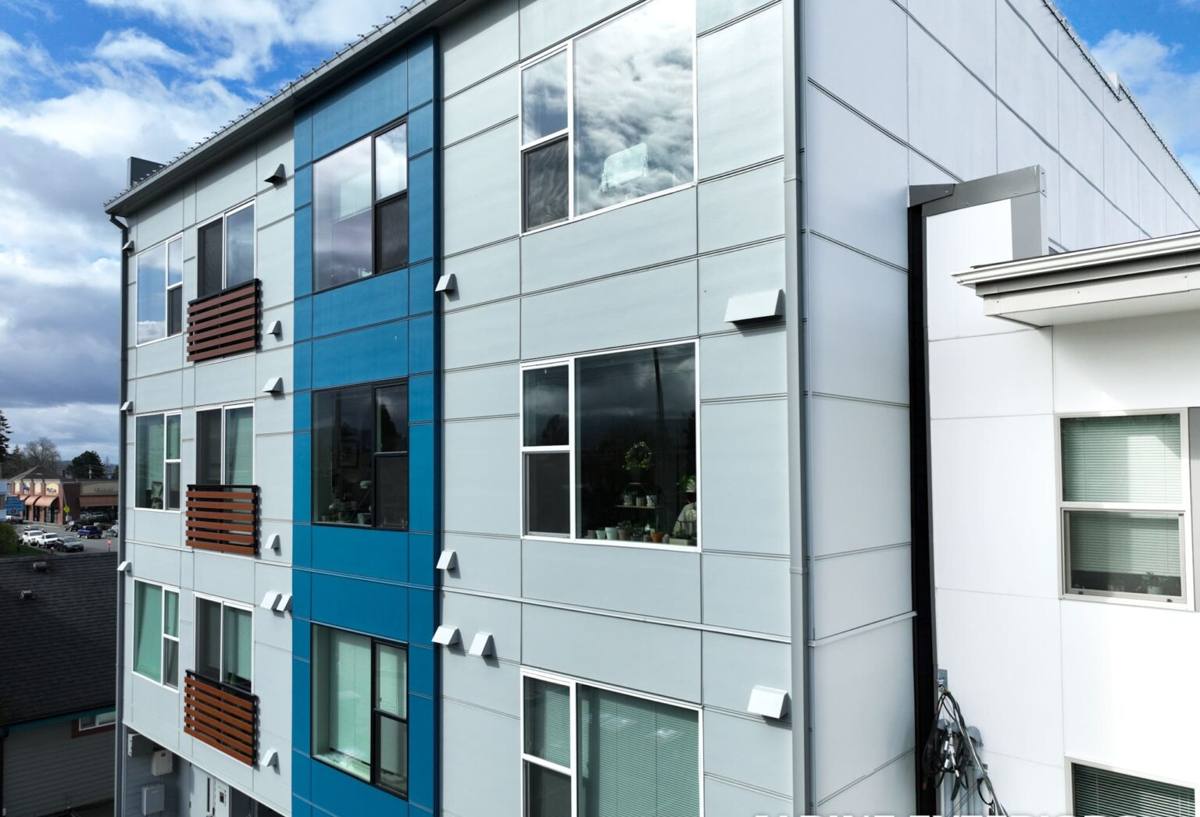
How Salt Air, Rain, and Moss Actually Damage Siding
Salt air
Airborne salt is corrosive to exposed metal fasteners, trim flashing, and hardware, and it accelerates the breakdown of finishes that aren't engineered to resist it. Over years, siding facing the water side of a home can show more fading, chalking, or finish failure than siding on the same house facing inland.
Driving rain
Wind off the water doesn't just fall on siding, it drives into it — forcing water sideways into lap joints, around window and door trim, and behind poorly sealed penetrations. A siding system with weak drainage detailing will trap that moisture behind the cladding, where it causes rot in sheathing and framing long before anything looks wrong on the surface.
Moss and algae
Anacortes' extended damp season keeps north-facing walls, shaded siding, and anything under tree cover wet for long stretches. Moss and algae take hold in that environment, and on the wrong material — porous, absorbent, or with a finish that traps moisture at the surface — that growth doesn't just look bad, it holds water against the siding and shortens its life.
Signs Your Siding Is Telling You It's Time
- Soft or spongy spots when you press on the siding, especially near the bottom courses or under windows
- Persistent moss, algae, or dark staining that comes back within a season of cleaning
- Visible warping, buckling, or panels that no longer sit flat against the wall
- Peeling, bubbling, or chalking paint that won't hold a fresh coat
- Cracked or split boards, particularly at corners and butt joints
- Rising energy bills with no other explanation, which can point to moisture-compromised insulation behind the siding
- A musty smell in an adjoining room, or visible interior staining near exterior walls
Any one of these on its own might just need a repair. Several together, especially on the water-facing side of the house, usually mean the siding system as a whole is past the point where patching makes sense.
What a Correct Siding Replacement Actually Involves
Siding replacement done right is not just pulling off old boards and nailing up new ones. In an environment like West Anacortes, the parts you don't see matter as much as the finished look.
Tear-off and inspection
Removing the old siding is also the only real chance to inspect the sheathing and framing underneath. Any rot, soft wood, or hidden moisture damage needs to be addressed before anything new goes up — covering a problem with new siding just hides it for a few more years.
Weather-resistive barrier and drainage plane
A properly installed water-resistive barrier, lapped correctly and integrated with a drainage plane, gives any moisture that does get past the siding a path to escape instead of a place to sit. In a driving-rain climate, this layer is doing real work, not just checking a code box.
Flashing at every penetration
Windows, doors, hose bibs, light fixtures, and vents are where water intrusion actually starts. Correct step flashing, head flashing, and kick-out flashing at rooflines direct water away from these openings instead of letting it wick behind the trim.
Proper clearances and fastening
Siding needs the manufacturer's specified clearance from grade, roof lines, decks, and other hard surfaces so water can't wick up into the material. Fasteners need to be the corrosion-resistant type and spacing the manufacturer calls for — cutting corners here shows up as streaking, staining, or loosening within a few years, not decades.
Caulking and joint treatment
Every joint, seam, and trim intersection is a potential entry point. Correct sealant selection and application, matched to the material, keeps those joints watertight without trapping moisture where it shouldn't be.
Why We Install Only James Hardie Fiber Cement
We install James Hardie fiber cement siding exclusively, and in a climate like this one, that's a deliberate call, not a brand preference. Fiber cement doesn't absorb water and swell the way some engineered wood products can, it doesn't dent or crack from the temperature swings vinyl deals with, and it's non-combustible. James Hardie's HZ5 product line is specifically engineered for climates like ours, with freeze-thaw cycling and sustained moisture exposure in mind, and the factory-applied ColorPlus finish is baked on and warrantied against fading and peeling in a way field-applied paint isn't.
That doesn't mean every other product on the market is a bad product everywhere. It means that for a water-exposed, moss-prone, salt-air environment like West Anacortes, we've seen what holds up and what needs constant attention, and we'd rather put a system on your home that we're confident about ten and twenty years out.
How the common options compare in this climate
| Material | Moisture behavior | Salt air / coastal durability | Maintenance burden |
|---|---|---|---|
| James Hardie fiber cement | Does not absorb water or swell; engineered HZ5 line for wet climates | Strong; factory finish resists fading and chalking | Low; occasional wash, no repainting on ColorPlus finish for the warranty term |
| Vinyl siding | Doesn't rot, but can warp or crack with temperature swings and impact | Fades and chalks over time in strong UV and salt exposure | Low, but limited repair options once it fades or cracks |
| LP SmartSide (engineered wood) | Treated to resist moisture, but any breach in the finish invites swelling and rot | Moderate; finish integrity is critical near salt air | Moderate to high; finish and caulking need regular upkeep |
| Cedar / primed spruce | Absorbs moisture readily; prone to rot and moss without diligent upkeep | Weathers quickly in salt air and constant dampness | High; regular refinishing, sealing, and moss treatment needed |
Our Siding Replacement Process
- On-site assessment. We walk the whole exterior, checking for soft spots, moisture damage, and problem areas specific to your home's exposure and orientation.
- Written scope and estimate. You get a clear breakdown of what's being replaced, what product line and profile we're recommending, and why.
- Tear-off and sheathing inspection. Old siding comes off, and any rot or damage underneath gets flagged and addressed before we move forward.
- Weather barrier and flashing installation. The drainage plane and flashing details go in first, correctly integrated at every window, door, and penetration.
- Hardie siding installation. Panels or planks go up to manufacturer spec, with correct clearances, fastening, and joint treatment.
- Final walkthrough. We go over the finished work with you before calling the job done.
What Siding Replacement Costs — And What Drives the Number
Every home is different, and an accurate number only comes from an on-site look. But the broad cost drivers are consistent from house to house.
| Factor | Why it matters |
|---|---|
| Home size and wall area | More square footage means more material and labor, the biggest single driver of total cost |
| Sheathing and framing condition | Hidden rot found during tear-off adds repair work before new siding can go on |
| Siding profile and detailing | Lap siding, shingle-style panels, and trim complexity all affect labor time |
| Number of stories and access | Multi-story homes and difficult site access require more scaffolding and time |
| Window and door count | Each opening needs its own flashing and trim work |
Why a Crew That Already Works West Anacortes Matters
A contractor who works this side of the island regularly already knows which walls take the worst of the driving rain, which exposures fight moss year-round, and how the marine air affects fastener and finish choices. That's not something you can fully substitute with a generic checklist — it comes from having done the work here, on homes with the same exposure yours has. It also means a crew that's realistic about scheduling around this area's wetter stretches, so the job gets done in a weather window that actually holds.
Before You Hire: A Practical Checklist
- Ask what water-resistive barrier and flashing details they use, not just what siding brand goes on top
- Confirm they'll inspect and address sheathing condition during tear-off, not just cover it up
- Get the manufacturer and product line in writing, along with the warranty terms
- Ask how they handle siding clearances at decks, patios, and grade
- Confirm licensing and insurance, and ask for references from work done in similarly exposed, water-facing locations
Living With Your New Siding
Even the right material installed correctly benefits from basic upkeep in this climate. An annual rinse to keep salt residue and organic buildup from accumulating, prompt attention to any caulking that shrinks or separates, and keeping gutters clear so water isn't overflowing onto walls will help any siding system perform the way it's designed to. With Hardie's factory finish, you're not looking at repainting on the schedule that older materials demand — just routine care.
If your siding is showing signs of wear, or you'd simply like an honest read on what condition it's in, we're happy to come take a look. The estimate is free, there's no pressure, and you'll get a straight answer about what your home actually needs.