 Anacortes Exterior
 Windows Built for Skyline's Exposure
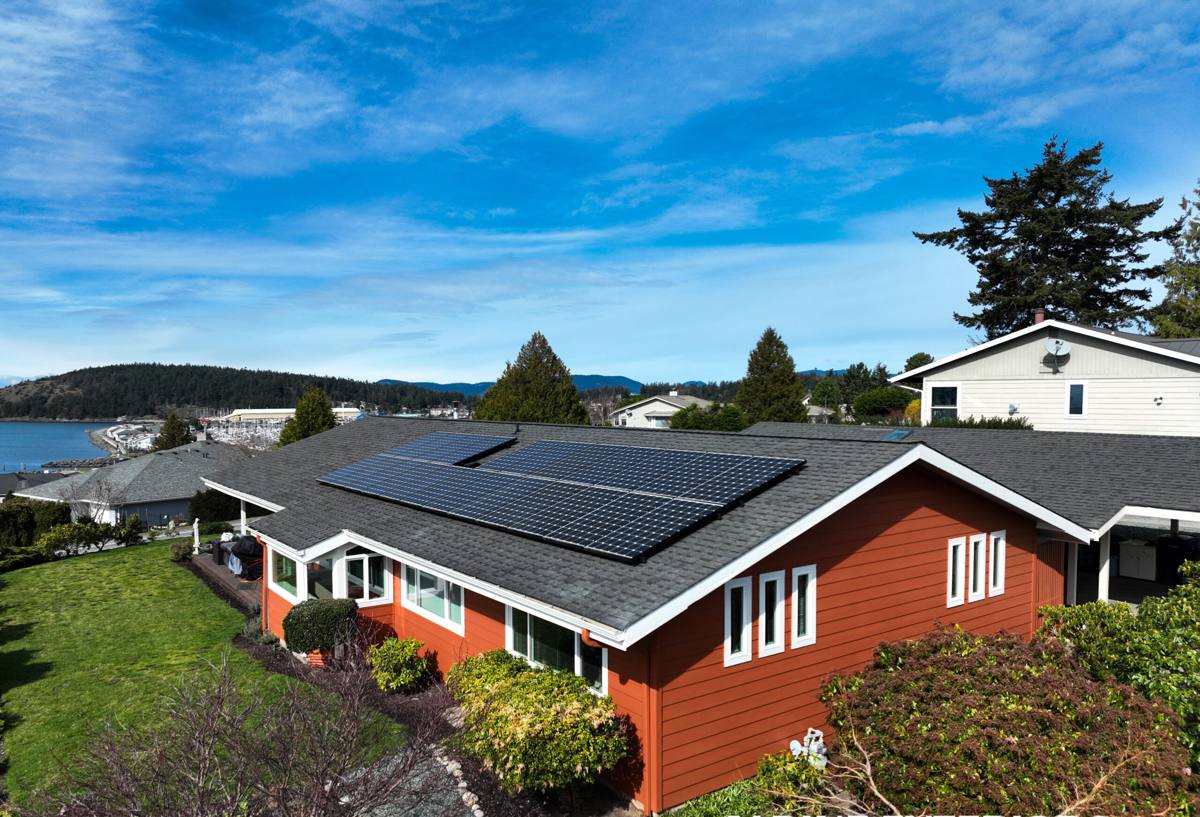
Skyline sits up on the higher ground north of downtown Anacortes, and that elevation comes with a trade-off. The views are real, but so is the wind-driven rain and salt air rolling in off Fidalgo Bay and the Guemes Channel. Homes up here take a different kind of weathering than houses tucked into lower, more sheltered parts of town. Window seals, frame finishes, and glazing all age faster when they're exposed to salt-laden air and repeated wet-dry cycles, and that shows up first as drafts, fogged glass, and rising heating bills.
Energy-efficient windows aren't just about comfort in Skyline — they're a defense against a specific set of climate stresses. A window that's rated for a mild inland suburb isn't necessarily the right call for a home catching salt spray and horizontal rain off the water. We look at exposure, orientation, and existing frame condition before we ever talk product, because the right window for a sheltered south-facing wall isn't always the right window for a north or west face that takes the brunt of Skagit County's weather.
What Anacortes Weather Actually Does to Windows
Salt Air and Metal Fatigue
Salt air accelerates corrosion on aluminum hardware, fasteners, and older metal-frame windows. It also degrades certain sealants and finishes faster than manufacturers' standard warranties assume, especially on windows facing open water or prevailing wind. Over years, this shows up as pitted hardware, stuck locks, and seals that fail well before their rated lifespan.
Driving Rain and Water Intrusion
Anacortes doesn't just get rain — it gets rain pushed sideways by wind off the Sound. That matters enormously for window installation, because a window can be perfectly good and still leak if the flashing, sill pan, and sealant details around it aren't done correctly. Most of the water damage we find around old window openings didn't come from a bad window — it came from a bad install that let driving rain behind the trim.
Moss Season and Trim Rot
The long wet season that fuels moss growth on roofs and siding does the same thing to window trim and sills, especially wood components that aren't properly primed and sealed on all sides. Moisture that sits against wood trim for months at a time — Skagit County's wet season runs long — is a slow, steady path to rot, and it's often hidden behind paint until the wood is already soft.
What a Correct Window Job Involves
Energy efficiency in a window comes from more than the glass. It's the sum of several parts working together, and any weak link undermines the whole system.
- Frame material matched to exposure — vinyl, fiberglass, or clad-wood, chosen based on which face of the house it's going on and how much weather that side takes
- Glazing package — double or triple pane, low-E coatings, and gas fill appropriate for Pacific Northwest heat-loss patterns, not a generic national spec
- Proper flashing and sill pans that direct water out and away, not just caulk covering a gap
- Correct shimming and squaring so the sash operates smoothly and seals compress evenly for years, not just on install day
- Interior and exterior sealant details done with products rated for coastal UV and moisture exposure
- Insulation in the rough opening — an underinsulated gap around a great window still leaks heat and lets in cold air at the frame
Skip any one of these and you can end up with a window that looks new but performs like the old one — or worse, one that traps moisture behind the trim where you can't see it.
Full Replacement vs. Repair
Not every window in a Skyline home needs full replacement. Some just need re-glazing, hardware service, or resealing. We look at each opening individually rather than pushing a whole-house replacement by default — it's a more honest way to spend a homeowner's budget, and it lets us prioritize the openings that are actually failing first.
| Condition | Likely Fix | Why |
|---|---|---|
| Foggy glass, clear frame | Sash/glass unit replacement | Seal failure between panes, frame is often still sound |
| Drafts around a solid frame | Reseal, weatherstrip, hardware service | Compression seals and sweeps wear out well before the frame does |
| Soft or spongy trim/sill | Full window replacement with new flashing | Water has likely reached the rough opening — patching alone won't stop it |
| Corroded hardware, hard to open | Hardware replacement or full unit swap depending on age | Salt air exposure on operable hardware, often isolated to exposed elevations |
| Single-pane, original to the house | Full replacement | No amount of sealing recovers the insulating value modern glazing provides |
Choosing Materials for Skyline's Exposure
We steer clients toward frame and hardware choices based on honest trade-offs, not upsells.
Vinyl
Solid value for most openings, low maintenance, and good thermal performance. On heavily salt-exposed elevations we pay close attention to hardware quality and weep-hole design, since that's where vinyl windows can accumulate salt residue over time if they aren't detailed well.
Fiberglass
More dimensionally stable across temperature swings and generally holds up well in coastal exposure, at a higher price point. We recommend it on west and north faces that take the most direct weather in Skyline, where the added durability pays off over the life of the window.
Clad-Wood
Gives a traditional wood interior look with an exterior cladding that resists the weather. It's a good option for homes where interior trim style matters, but it comes with more installation sensitivity — the cladding-to-frame seal has to be right, or moisture can get trapped where you can't inspect it. We're candid with homeowners about that maintenance and installation burden before they commit, rather than after.
Our Process for a Skyline Window Job
- On-site assessment — we check every opening individually, not just the ones that look obviously bad, since hidden water damage doesn't always show on the surface
- Honest scope — we tell you which windows need full replacement, which need repair, and which are fine, with reasoning you can follow
- Product selection — matched to each elevation's exposure, not a single spec for the whole house
- Removal and inspection of the rough opening — this is where we catch rot or water intrusion that wouldn't be visible from outside
- Installation with proper flashing and sill pan detailing — built for driving rain, not just standard installation minimums
- Interior and exterior finish work — trim, caulking, and paint-ready or paint-matched finishing
- Final walkthrough — operation check on every window, sightlines, and a look at the surrounding siding and trim we touched
Why Local Installation Experience Matters
A window installer who mostly works drier, inland areas will often under-detail flashing and sealant work because it's never been tested by real driving rain. A crew that already works Skyline and the rest of Anacortes knows which elevations need extra attention, which sill details actually hold up to salt air over years — not just on installation day — and how the long wet season changes the timeline for caulk cure and paint work. That local pattern recognition is the difference between a window that performs for fifteen-plus years and one that starts leaking behind the trim in three.
We also know Skagit County's permitting expectations for window replacement, which matters when you're changing egress size, structural headers, or working on a home with any historic designation nearby.
Signs Your Skyline Home Needs a Window Assessment
- Visible condensation or fog trapped between panes
- Noticeable drafts near the frame, even with the window fully latched
- Difficulty opening, closing, or locking a window that used to operate smoothly
- Soft, discolored, or peeling trim and sill areas around the window
- A noticeable jump in heating costs without any other explanation
- Visible gaps or daylight around the frame from outside
- Moss or persistent green growth building up on the sill or exterior trim
Any one of these on its own might not mean a full replacement is needed — but it's worth having a professional look before the underlying wood or framing takes on more water damage.
Cost Factors Worth Understanding
Window project costs vary a lot based on scope, and broad ranges only mean so much without seeing the actual openings. That said, a few factors consistently move the number:
| Factor | Impact |
|---|---|
| Number of openings | Larger jobs typically bring a lower per-window cost due to shared setup and labor efficiency |
| Frame material | Vinyl is generally the most budget-friendly; fiberglass and clad-wood cost more upfront |
| Existing damage | Rot or water damage found in the rough opening adds repair scope beyond the window itself |
| Elevation and access | Second-story or hard-to-reach openings take more time and equipment |
| Trim and finish work | Matching existing trim profiles or repainting adds labor beyond the window swap itself |
We give itemized, honest estimates rather than a single lump number, so you can see exactly what's driving the cost and make decisions about scope if budget is a factor.
Get a Free Estimate for Your Skyline Home
If you're noticing drafts, fogged glass, or trim trouble around your windows, it's worth having someone take a real look before the wet season does more damage. We'll walk your home, assess each opening honestly, and give you a straightforward estimate — no pressure, no upsell. Use the form below to get started.