 Anacortes Exterior
 Why Siding Fails Faster on Conway Homes
Conway sits low in the Skagit River delta, out on the open flats between the water and the farmland, with little in the way of terrain to break up the weather coming off Skagit Bay. That combination — salt-tinged air, wind with nothing to slow it down, and long stretches of wet, shaded ground cover during the fall and winter — is hard on exterior siding in ways that homeowners further inland or up on higher ground rarely deal with.
Three things do most of the damage over time:
- Salt air from the bay accelerates corrosion on fasteners, flashing, and any metal trim, and it works its way into porous or poorly sealed siding materials faster than it would in a drier, saltier-free inland setting.
- Driving rain — wind-driven, not just falling straight down — pushes water sideways into laps, seams, and butt joints that were never designed to handle water moving that direction.
- Moss and algae season runs long here because the ground stays damp and shaded siding rarely gets a chance to fully dry between storms. Moss holds moisture against the wall assembly for weeks at a time, which is exactly the condition that rots wood-based siding and stains everything else.
None of that means Conway is a bad place to own a home — it means the siding has to be chosen and installed with those specific conditions in mind, not treated as an afterthought.
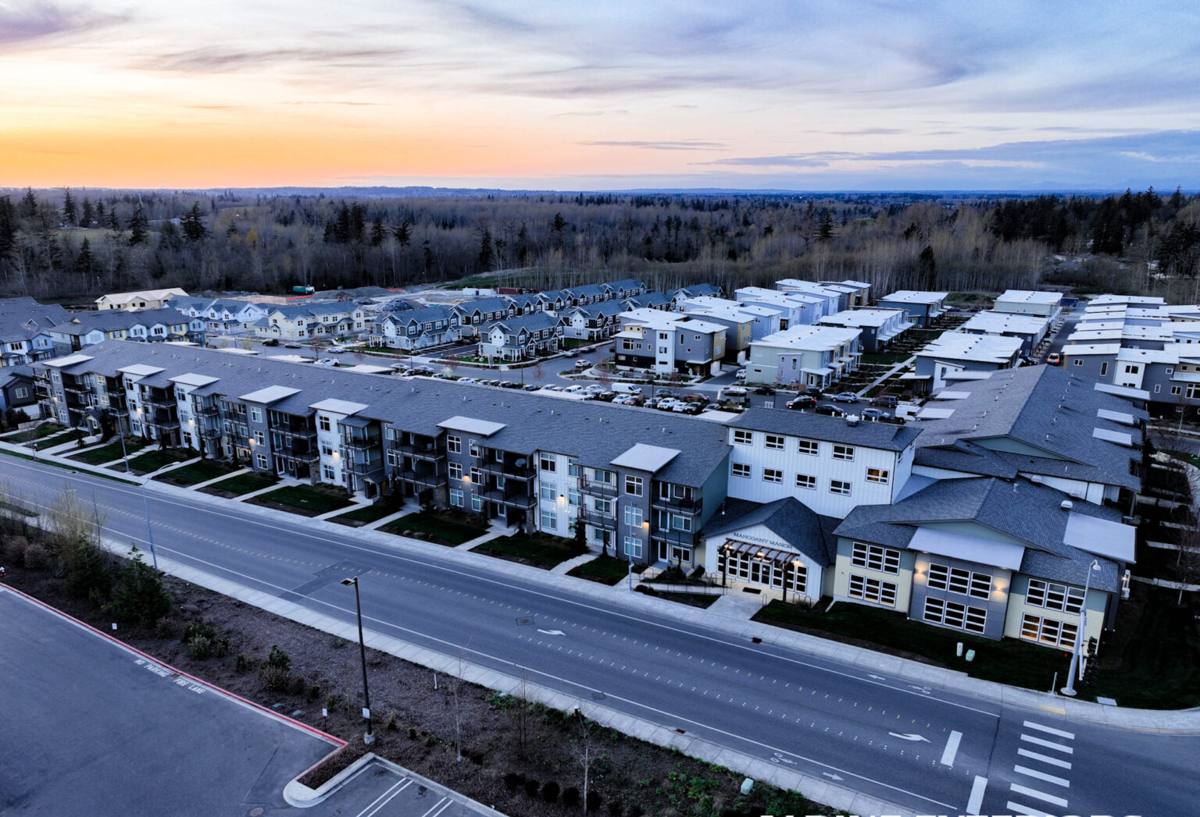
What a Correct Siding Replacement Actually Involves
Siding replacement is not just pulling off old boards and nailing up new ones. In a climate like this, what happens underneath the visible siding matters as much as the siding itself.
Inspecting What's Underneath
Once the old siding comes off, we check the sheathing for soft spots, rot, and water staining — especially around window and door openings, at wall penetrations, and near the bottom few feet of the wall where splash-back and standing moisture do the most damage over the years. Any compromised sheathing gets replaced before anything new goes up. Covering rotten sheathing with new siding just hides a problem that keeps getting worse.
Flashing and Water Management
Given how much wind-driven rain this area sees, flashing details make or break a siding job. That means proper head flashing over every window and door, correctly lapped house wrap or weather-resistive barrier, kick-out flashing where rooflines meet walls, and attention to how water is meant to shed at every horizontal joint. A rain screen gap — a small air space between the weather barrier and the siding — is also worth discussing on Conway homes, since it lets any moisture that does get past the siding drain and dry instead of sitting against the wall.
Fastening and Clearances
Corrosion-resistant fasteners are non-negotiable this close to the bay. We also keep proper clearance between the bottom of the siding and grade, decks, patios, and roof lines, so the material isn't sitting in a spot where it stays wet longer than it should.
Why We Only Install James Hardie Fiber Cement
We install James Hardie fiber cement siding exclusively — we don't offer vinyl, LP SmartSide, or other engineered wood products, even though they're common in this region. That's a deliberate standard, not a sales pitch.
Vinyl siding softens, warps, or cracks with temperature swings and physical impact, and it doesn't hold up structurally the way fiber cement does over decades of coastal weather. Engineered wood products are wood-based at their core, which means they're more vulnerable to the exact conditions Conway sees the most of: sustained moisture, moss growth, and long damp seasons where wood fiber can swell, delaminate, or rot if the finish is ever compromised. James Hardie fiber cement is cement, sand, and cellulose fiber — it doesn't rot, it isn't attractive to pests, and it holds paint and factory finish far longer under damp, salt-exposed conditions. It's also non-combustible, which matters given how often wildfire smoke and dry-season fire risk make the news across Western Washington even in a generally wet climate.
We're not saying every other product is worthless — we're saying that after years of installing and repairing siding in this climate, fiber cement is what we're willing to put our name behind for Conway homes.
Our Process, Start to Finish
- On-site assessment. We look at the current siding, trim, flashing, and any visible moisture damage, and talk through what your home actually needs — not just what a quote template says.
- Written estimate. A clear scope of work and price, with the James Hardie product line and color options laid out so you know exactly what's being installed.
- Tear-off and inspection. Old siding comes off, sheathing gets inspected, and any rot or damage is documented and addressed before moving forward.
- Weather barrier and flashing. House wrap, flashing, and rain screen details (where applicable) go in correctly the first time — this is the part that determines how the job performs in year ten, not year one.
- Hardie installation. Siding, trim, and accessories installed to James Hardie's fastening and clearance specifications, which is what keeps the product warranty intact.
- Final walkthrough. We walk the finished job with you, point out anything worth knowing about care and maintenance, and make sure you're satisfied before we consider it done.
What Siding Replacement Costs Depend On
Every home is different, so we won't quote a number without seeing the house, but these are the main factors that move the price up or down:
| Factor | Why It Matters |
|---|---|
| Extent of sheathing damage | Rotted or soft sheathing found during tear-off has to be replaced before new siding goes on |
| Home size and wall complexity | More corners, gables, and dormers mean more cutting, flashing, and labor time |
| Siding profile chosen | Lap width, board-and-batten, or shingle-style Hardie products vary in material and install cost |
| Trim and accessory scope | Replacing trim, fascia, and soffit alongside siding changes the total project size |
| Access and site conditions | Fencing, landscaping, decks, and how close the home sits to property lines affect staging and labor |
| Current siding removal | Multiple layers of old siding, or hazardous materials like old paint or hidden asbestos siding, add time to tear-off |
A full estimate walk-through is the only reliable way to know where your project lands, and it costs nothing to get one.
Signs Conway Homeowners Should Watch For
Given the local climate, these are the warning signs worth acting on sooner rather than later:
- Soft or spongy spots when you press on the siding, especially near the bottom of walls or under windows
- Persistent moss, algae, or black streaking that keeps coming back within weeks of cleaning
- Paint that's peeling, bubbling, or failing faster than it used to, especially on walls facing the prevailing wind
- Visible gaps, warping, or buckling at seams and butt joints
- Rusty streaks running down from nail heads or trim, a sign fasteners are corroding
- Rising energy bills with no other explanation, which can point to a compromised weather barrier letting drafts and moisture through
- Musty smells or interior wall staining near exterior walls, which often means water has already gotten past the siding
Catching these early usually means a smaller, cheaper project. Waiting usually means paying to fix sheathing and framing damage on top of the siding itself.
Why It Matters to Hire a Crew That Already Works in Conway
Siding crews that mostly work drier, more sheltered parts of Skagit County can still do fine work, but they may not default to the flashing details, rain screen decisions, and fastener choices that matter most out on the delta flats near the bay. A crew that's already spent time replacing and repairing siding on Conway homes knows which walls take the worst of the wind-driven rain, how long moss season really runs here, and where salt air tends to cause the earliest corrosion. That local pattern recognition shows up in the small decisions — where to add extra flashing, which corners get extra attention, how tight the clearances need to be — that a generic install job often skips.
It also means faster response if something needs a look after the fact. We're not driving in from across the county for a five-minute flashing check; this is territory we already know.
If your Conway home's siding is showing its age, or you're just planning ahead, we're happy to take a look and walk you through what we'd recommend — no pressure, no obligation. Use the form below to request a free estimate.