 Anacortes Exterior
 Siding Replacement in Burlington: Built for Skagit Valley Weather
Burlington sits inland from Anacortes in the Skagit Valley, but it doesn't escape the marine climate that defines this part of Skagit County. Damp air off Puget Sound and Padilla Bay moves up the valley, rainfall is frequent and prolonged rather than heavy and brief, and the humidity that settles over the flat valley floor lingers longer than it does on higher, more exposed ground. For siding, that combination is a slow, steady test of quality rather than a single dramatic event. Homes here need siding that can handle repeated wetting and drying cycles for months at a time without swelling, delaminating, or feeding moss and mildew growth.
When we replace siding on a Burlington home, we're not just swapping old boards for new ones. We're addressing the specific way this valley's climate attacks a wall system, and we're doing it with a product line and installation method built to hold up to it.
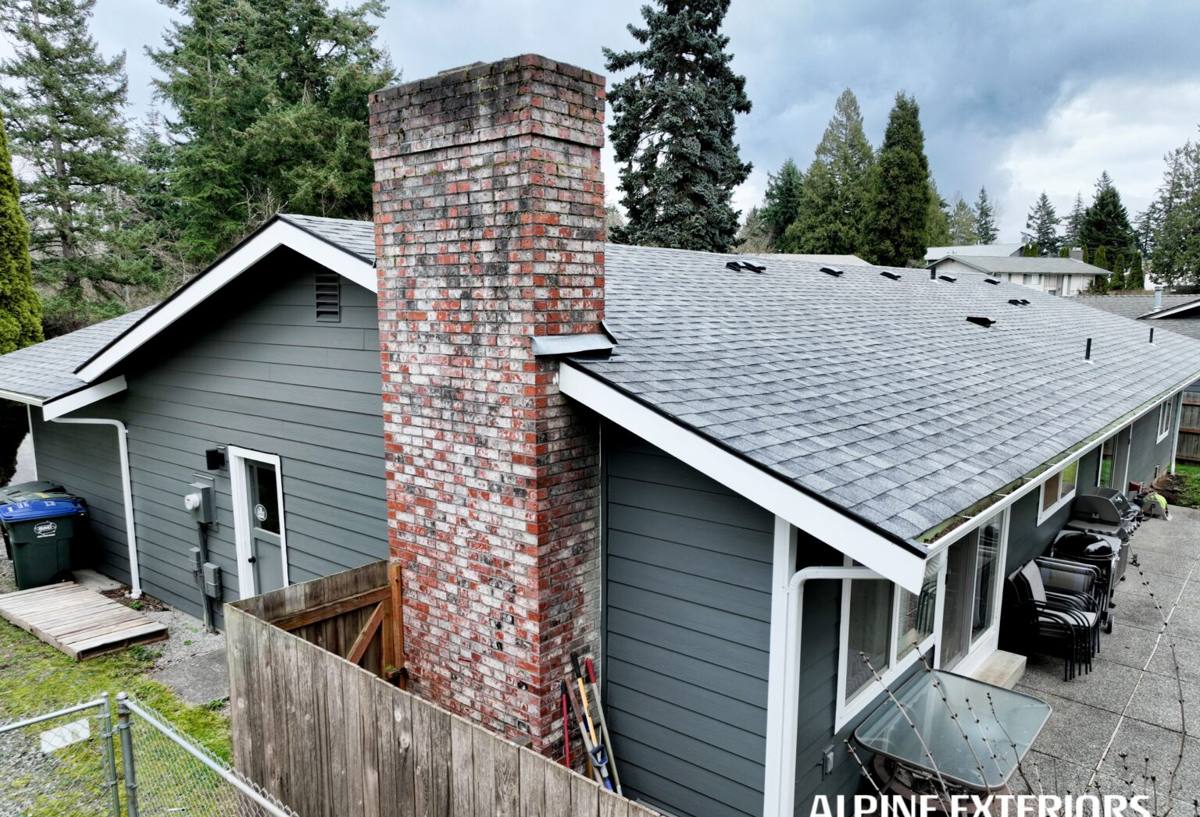
What Skagit Valley Weather Does to Siding Over Time
Every siding material eventually shows the effects of the local climate, but the way it fails tells you a lot about the material itself. In Burlington, we consistently see the same patterns:
- Moss and algae staining on north-facing and shaded walls, especially under eaves and behind landscaping where airflow is limited.
- Swelling and soft spots at the bottom courses of wood-based or engineered wood siding, where splash-back and standing moisture do the most damage.
- Paint failure — peeling, chalking, or blistering — on siding that wasn't factory-finished, since field-applied paint has to fight moisture from both the outside and, often, the inside of the wall.
- Caulk and seam failure at butt joints and trim, which lets water behind the siding long before any damage is visible from the street.
- Warping on sun-exposed elevations, where wet mornings and sudden afternoon sun create expansion and contraction stress.
None of this is unusual for the region — it's just what a long, wet Pacific Northwest siding season does. The question isn't whether your siding will be tested by that cycle, it's whether the material and the installation were built to take it.
Signs a Burlington Home Needs Siding Replacement, Not Just Repair
Not every siding problem calls for a full tear-off. But there's a point where patching stops making sense and replacement becomes the more honest recommendation. Here's what we look for during an estimate:
- Soft, spongy, or crumbling siding when pressed, particularly near the bottom of walls or below windows
- Visible gaps, buckling, or boards separating from the wall
- Persistent moss or dark staining that returns within a season of cleaning
- Paint that won't hold no matter how often it's redone
- Rising energy bills alongside drafts near exterior walls, suggesting the water-resistive barrier behind the siding has failed
- Siding that's simply reached the end of its expected service life and is original to an older home
If a home shows two or more of these signs, repair usually just delays a bigger, more expensive repair later, once rot has spread to sheathing or framing. Replacement at that point protects the structure underneath, not just the appearance.
Why We Only Install James Hardie Fiber Cement
We made a deliberate decision years ago to install one siding system: James Hardie fiber cement. We don't install vinyl, LP SmartSide, Cemplank, Allura, or unprimed wood species like cedar or spruce, and we're upfront about why.
Fiber cement is not organic material, so it doesn't feed moss, algae, or fungal growth the way wood-based products can. It's non-combustible, which matters increasingly for insurance and wildfire-adjacent building codes across Washington. James Hardie also engineers specific product lines for different climate zones — the HZ5 line used in our region is formulated for the Pacific Northwest's freeze-thaw and moisture patterns specifically, not a one-size-fits-all national spec. And Hardie's ColorPlus factory finish is baked on under controlled conditions, which holds color and resists fading and peeling far better than field-applied paint fighting Skagit Valley humidity from day one.
None of this means other products are without merit — vinyl is inexpensive and low-maintenance in the right application, and engineered wood has real fans. But we've seen enough long-term performance differences in this specific climate that we stopped installing anything else. When a Burlington homeowner asks us to quote a different material, we'll tell them honestly why we don't, rather than just saying no.
What a Correct Siding Replacement Actually Involves
The siding itself is only part of the system. A siding replacement done right addresses everything between the studs and the finished surface:
Tear-off and inspection
Old siding comes off in sections so we can inspect the sheathing and framing underneath for hidden rot or moisture damage before it's covered back up. This is often the only point in a home's life where that wall assembly is actually visible.
Water-resistive barrier and flashing
A new weather-resistive barrier goes on correctly lapped, with proper flashing at windows, doors, and any wall penetrations. In a climate that sees as much sustained rain as Skagit County, this layer matters as much as the siding itself — it's the backup system if any water gets past the surface.
Installation to manufacturer spec
James Hardie siding has specific requirements for fastener spacing, clearance from grade, gapping at butt joints, and caulking — all of which affect both appearance and the transferable warranty. Installing to spec isn't optional if you want the product to perform and the warranty to hold.
Trim, flashing details, and finish work
Corners, trim boards, and any transitions to roofing or masonry get detailed so water sheds away from the wall rather than pooling or wicking behind it.
Our Process for Burlington Homes
- On-site estimate. We walk the exterior, check for soft spots and moisture signs, and talk through what we're seeing plainly — no pressure, no inflated urgency.
- Scope and product selection. We help you choose the right Hardie plank profile, texture, and color for the home, factoring in sun exposure and shaded areas that tend to hold moisture.
- Scheduling around the weather. Skagit Valley's wet season narrows the practical install window, so we plan tear-off and dry-in carefully to limit how long a wall is exposed.
- Tear-off and structural check. Old siding comes off, sheathing is inspected, and any repairs are addressed and documented before the new barrier goes on.
- Install to spec. Barrier, flashing, and Hardie siding go on following manufacturer installation requirements, not shortcuts.
- Final walkthrough. We review the finished work with you directly and make sure everything meets what was discussed at the estimate.
What Affects the Cost of a Siding Replacement
Every Burlington home is different, but the same handful of factors drive most of the cost difference between projects:
| Factor | Why It Matters |
|---|---|
| Home size and wall complexity | More square footage, dormers, and corners mean more material and labor time |
| Extent of hidden damage | Rot found in sheathing or framing during tear-off adds repair scope not visible beforehand |
| Siding profile and texture | Lap width, shingle-style panels, and specialty textures vary in material and install time |
| Trim and detail work | Extensive trim, fascia, or transitions to stone/masonry add labor |
| Access and site conditions | Landscaping, fencing, or tight lot lines can slow staging and tear-off |
| Color selection | Standard ColorPlus finishes versus custom field-painted options affect price and long-term maintenance |
We give straightforward, itemized estimates so you can see where the cost is actually going, rather than a single lump number.
Why Local Experience in Burlington Matters
A contractor who already works this part of Skagit County isn't guessing at how the valley's weather behaves — they've seen how moisture moves along shaded walls, which elevations take the worst of the driving rain, and how quickly moss returns if the wrong material goes back up. That local pattern recognition shapes decisions during the estimate and the install itself: where extra flashing attention is worth it, which sides of a home need closer joint detailing, and how to sequence a project around a wet forecast instead of getting caught mid-tear-off.
It also means faster response if something needs a look after the fact — a crew that's local to the Anacortes and Burlington area isn't a drive away when you have a question about your new siding six months in.
Caring for Hardie Siding After Installation
One advantage of fiber cement is how little upkeep it demands compared to wood-based alternatives, but "low-maintenance" isn't "no-maintenance." A simple annual routine keeps a Hardie installation performing the way it's designed to:
- Rinse the exterior yearly with a garden hose to clear pollen, dust, and early moss growth before it takes hold
- Keep gutters clear so overflow doesn't run down the wall face
- Trim back landscaping that traps moisture against shaded siding
- Re-caulk any trim joints if you notice gaps developing over the years
- Watch for any impact damage and have it addressed promptly rather than left through a wet season
Because the ColorPlus finish is factory-applied, most Burlington homeowners never need to repaint their Hardie siding at all — a real difference from repainting cycles that field-finished materials require.
Get a Straight Answer for Your Home
If your Burlington home is showing moss, soft spots, failing paint, or siding that's simply reached the end of its life, we're happy to take a look and tell you honestly what we see — whether that means replacement, targeted repair, or just a maintenance recommendation. Use the form below to request a free, no-pressure estimate.