 Anacortes Exterior
 Skyline's Weather Is Harder on Siding Than It Looks
Skyline sits on Fidalgo Island, close enough to the water that homes here take on a steady diet of marine air, wind, and rain that inland Skagit County properties simply don't see as often. It's a quiet, well-kept residential area, but the weather doesn't care how nice the neighborhood is. Salt-laden air corrodes exposed metal and breaks down weak coatings. Wind off the water drives rain sideways into wall assemblies that were only ever designed to shed water falling straight down. And the long gray stretch from fall through spring keeps north- and shade-facing walls damp long enough for moss and algae to take hold and stay there.
None of that is unusual for western Washington. What matters is whether the siding on a given home was actually installed to handle it, or just installed to look right on closing day. We've replaced plenty of siding in this area that failed years before it should have — not because the product was necessarily bad, but because gaps, flashing, and moisture management were treated as afterthoughts.
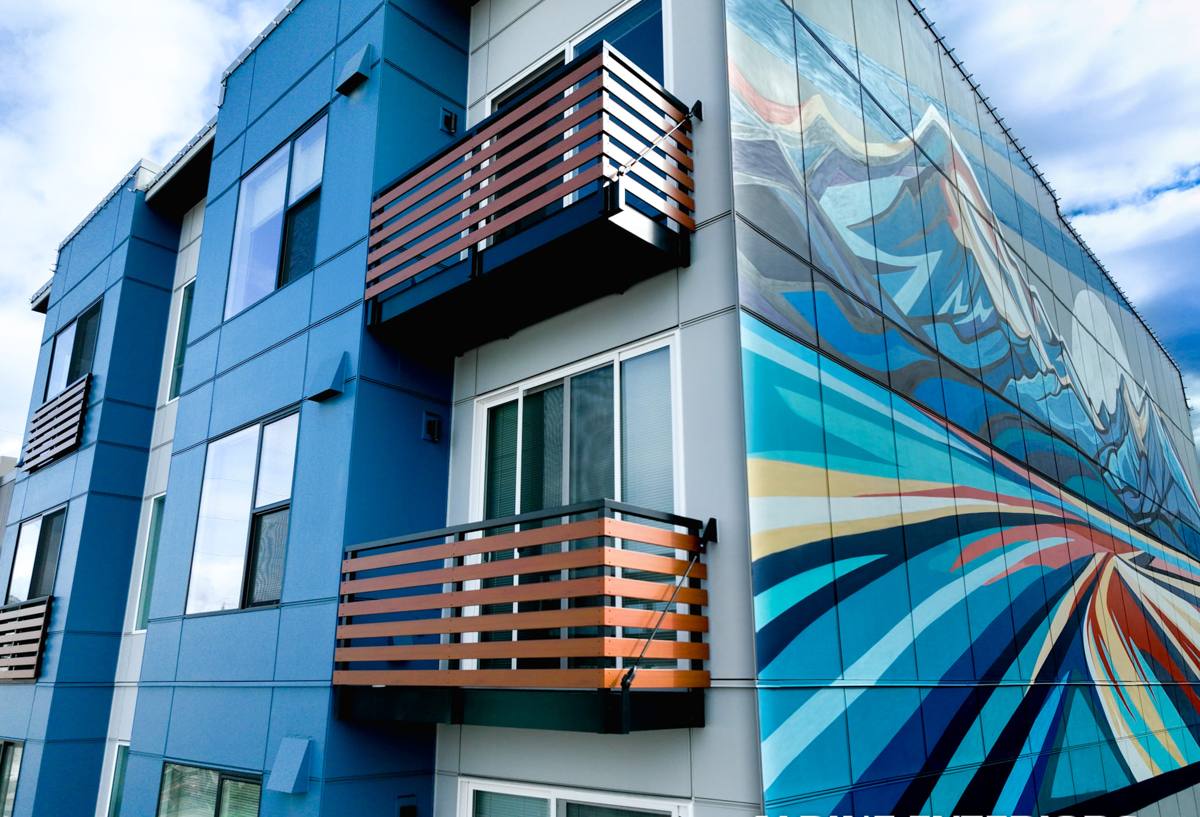
What Salt Air, Driving Rain, and Moss Season Do to a Wall Over Time
Salt Air
Airborne salt accelerates corrosion on fasteners, flashing, and any metal trim that isn't properly rated or protected. Over years, corroding fasteners loosen, staining runs down the siding face, and small failures at penetrations turn into bigger ones. It's slow, and it's easy to ignore until a wall section starts showing rust streaks or a panel comes loose.
Driving Rain
Wind-driven rain off the water doesn't just hit a wall — it gets pushed sideways and upward into laps, seams, and trim joints that were designed for gravity, not pressure. A siding system with tight, correctly lapped joints and a properly installed weather-resistive barrier behind it sheds that water. A system with sloppy overlaps, missing flashing, or caulk doing a job it was never meant to do lets water in, and once it's behind the cladding, it stays wet far longer than anyone on the outside can see.
Moss Season
Anacortes gets a long stretch of cool, wet, low-sun months every year, and shaded or north-facing walls in Skyline hold onto moisture through most of it. That's exactly the environment moss and algae need. On some siding materials, that constant dampness accelerates rot, delamination, or paint failure. On others, it's mostly a cosmetic issue that pressure washing and the right finish can manage. Which category your siding falls into depends heavily on the material and the installation underneath it.
What a Correct Installation Actually Involves
Good siding installation is mostly invisible once the job is done — it's the details behind the visible panel that determine whether a home stays dry for the next thirty years or starts having problems in five. On a Skyline project, we treat the following as non-negotiable:
- A continuous, correctly lapped weather-resistive barrier installed before any siding goes up, with all seams and penetrations properly sealed or taped
- Rain screen or drainage gap detailing where the wall assembly calls for it, so any moisture that does get behind the cladding can drain and dry instead of sitting against the sheathing
- Flashing at every window, door, deck ledger, and roof-to-wall transition — the points where the vast majority of siding failures actually start
- Correct fastener type, spacing, and penetration depth for James Hardie fiber cement, following the manufacturer's installation instructions rather than generic siding practice
- Proper clearance between the bottom of the siding and grade, decks, patios, and roof lines to keep splash-back and standing moisture away from the cladding
- Caulking used only where it belongs — as a supplement to good flashing and shingling, never as the primary defense against water intrusion
Skip any one of these and the siding can still look fine for a year or two. The problems that show up later — soft spots, staining, panels pulling away — almost always trace back to something that was missed during installation, not a defect in the material itself.
Why We Only Install James Hardie Fiber Cement
We get asked fairly often why we don't offer vinyl, LP SmartSide, or other fiber cement brands. The honest answer is that after years of installation and repair work in this climate, James Hardie is the product we trust to hold up to salt air, driving rain, and a long moss season without asking the homeowner to babysit it.
Fiber cement in general resists the two things that cause the most damage here: it doesn't feed rot the way wood-based products can when moisture gets behind them, and it holds paint and factory finishes far longer than vinyl, which tends to fade, warp, or become brittle under UV and temperature swings over time. James Hardie specifically engineers its HZ5 product line for the Pacific Northwest's wet, moderate climate — it's built and tested for the moisture exposure this region actually sees, not a generic national spec. The ColorPlus factory finish is baked on under controlled conditions, which gives it better color retention and resistance to moss-staining discoloration than most field-applied paint jobs, and it's backed by a real transferable warranty.
| Factor | James Hardie Fiber Cement | Vinyl / LP SmartSide / Others |
|---|---|---|
| Moisture behavior | Non-combustible cement composite; doesn't feed rot | Wood-based products can absorb and hold moisture at cut edges and gaps |
| Finish durability in salt/coastal air | Factory-applied ColorPlus finish, engineered for PNW exposure | Vinyl can fade and become brittle; field-painted products need repainting cycles |
| Moss and algae staining | Finish resists staining better; cleans up without stripping paint | Painted or laminate surfaces show staining and wear faster in shaded, damp areas |
| Installation sensitivity | Requires manufacturer-specific fastening and flashing detail | Varies; some products more forgiving, others equally detail-sensitive |
| Warranty structure | Long-term, transferable manufacturer warranty | Varies widely by brand and product line |
This isn't a knock on every alternative product across the board — some of them perform reasonably well when installed correctly. It's that we'd rather stand behind one system we know inside and out and install to spec every time, than offer several products and hope each one gets the attention it needs.
How the Process Works on a Skyline Project
Every job starts with an on-site look at the home's exposure — which walls face prevailing wind and rain, where moss buildup is already visible, and what condition the existing sheathing and weather barrier are in once old siding comes off. From there:
- We remove the existing siding and inspect the sheathing underneath for rot, soft spots, or prior water damage before anything new goes up
- Any damaged sheathing gets replaced — covering it over is how small problems turn into expensive ones later
- We install a new weather-resistive barrier and drainage detailing appropriate to the wall assembly
- Flashing goes in at every window, door, and penetration before siding installation begins
- James Hardie panels or lap siding go up per manufacturer spec, with attention to fastening, clearances, and joint detail
- Trim, caulking, and touch-up finish work close out the job, followed by a final walkthrough
Because we work in Anacortes and the surrounding Skagit County communities regularly, we already know what this climate does to a wall assembly over time — we're not guessing at flashing details or discovering marine-air corrosion issues for the first time on your house.
Signs Your Current Siding Is Already Struggling
Homeowners often call us after noticing one of these, not realizing how far along the underlying damage might already be:
- Persistent moss or algae staining that returns quickly after cleaning
- Soft or spongy spots when you press on the siding, especially near the bottom courses
- Paint or finish that's peeling, bubbling, or chalking unevenly
- Visible gaps, warping, or panels that have pulled away from the wall
- Rust streaks below fasteners or trim
- Rising energy bills that can't be explained by anything else — often a sign of moisture-compromised insulation behind the wall
Any of these is worth a look before it's ignored through another wet Anacortes winter.
What Drives the Cost of a Siding Installation
Every home is different, but the main variables that move the price on a Skyline siding project are fairly consistent:
| Cost Factor | Why It Matters |
|---|---|
| Home size and wall complexity | More corners, gables, and dormers mean more cutting, flashing, and labor time |
| Existing sheathing condition | Rot or water damage found during removal adds repair scope before new siding can go up |
| Siding profile chosen | Lap, shingle, and panel styles differ in material and labor cost |
| Trim and detail work | Window and door trim, corner boards, and fascia detail add time and material |
| Access and site conditions | Slopes, tight lot lines, and staging needs affect scaffolding and logistics |
We walk every home in person before giving a number — it's the only way to give an honest estimate instead of a guess.
Keeping Hardie Siding Looking Right in This Climate
James Hardie siding is low-maintenance compared to wood or repainted alternatives, but "low-maintenance" doesn't mean "no maintenance" in a climate like this one. A simple annual routine keeps it performing the way it should:
- Rinse siding down once or twice a year to clear salt residue and organic buildup before it sets in
- Keep gutters clear so overflow isn't running down wall sections during heavy rain
- Trim back vegetation and tree cover that keeps shaded walls damp longer than they need to be
- Check caulking at trim joints periodically and touch up as needed — caulk is a maintenance item, not a permanent seal
- Address any impact damage or loose panels promptly rather than letting a small gap become a water entry point
Why It Matters to Hire a Crew That Already Works Skyline
Siding installation isn't just a product choice — it's a set of judgment calls about flashing, drainage, and fastening that have to be made correctly for the specific wall, orientation, and exposure in front of the crew that day. A contractor who works Anacortes and Skagit County regularly has already seen how this climate treats a wall over the following decade, not just how it looks on installation day. That experience shows up in the details that don't get skipped: the flashing that's actually lapped correctly, the clearance that's actually left at grade, the fastener pattern that's actually followed to spec.
If you're weighing a siding replacement or new installation for a Skyline home, we're happy to take a look and walk you through what your home specifically needs — no pressure, no sales script. Reach out for a free estimate using the form below.