 Anacortes Exterior
 Ship Harbor's Location Puts Real Demand on a House's Exterior
Homes near Ship Harbor sit close enough to the water that the siding on them works harder than siding a few miles inland. Salt-laden air moves off the strait, wind-driven rain hits west and south-facing walls at an angle instead of falling straight down, and the shade and dampness common to this part of Skagit County keep moss and algae active for most of the year. None of that is unusual for the Anacortes area — it's just the baseline conditions any exterior product here has to survive, year after year, without babying.
That's the lens we use when we talk about siding for this neighborhood specifically. A product that performs fine in a dry inland climate can behave very differently after a decade of salt exposure and near-constant moisture cycling. This page covers what that means in practice, and what a correctly installed James Hardie siding job looks like on a Ship Harbor home.
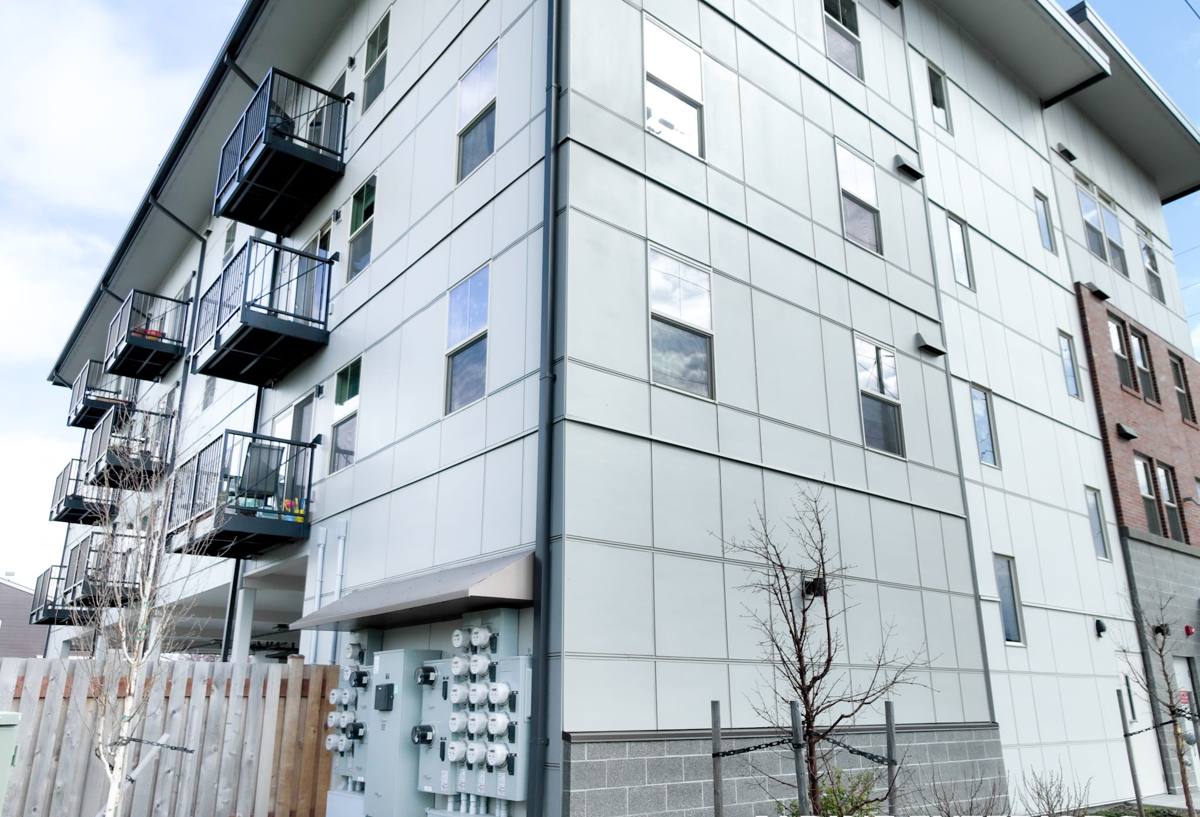
What Salt Air, Driving Rain, and Moss Season Actually Do to Siding
Salt Air
Airborne salt is corrosive to exposed metal fasteners, flashing, and trim, and it accelerates the breakdown of lower-grade coatings and caulks. Siding that isn't engineered or finished to resist that exposure tends to show fading, chalking, or surface degradation earlier near the water than it would a few miles inland.
Driving Rain
Wind-driven rain doesn't just wet the surface of a wall — it pushes water sideways and upward into laps, joints, and penetrations that a straight-down rain would never reach. This is where installation detail matters as much as the product itself: proper lap spacing, flashing, and caulking are what keep driven rain from finding its way behind the siding and into the wall assembly.
Moss and Algae Season
Shaded, damp conditions in this part of Washington support moss and algae growth on north-facing and tree-shaded walls for much of the year. Beyond the cosmetic issue, sustained organic growth holds moisture against the siding surface longer than it would otherwise sit there, which is exactly the condition that punishes moisture-sensitive materials over time.
Why We Install Only James Hardie Fiber Cement
We made a decision as a company to install James Hardie fiber cement siding exclusively — not vinyl, not LP SmartSide, not Cemplank or Allura, not primed spruce or cedar. That's not a marketing position; it's a practical one built around the conditions homes in this area actually face.
Non-Combustible Material
Fiber cement is made primarily from cement, sand, and cellulose fiber, and it doesn't burn or contribute fuel to a fire the way wood-based or foam-backed siding products can. For homeowners in Skagit County thinking about wildfire risk and insurance considerations, that's a meaningful, verifiable difference in the product itself.
Climate-Engineered HZ Product Lines
James Hardie manufactures its siding in different HZ (HardieZone) formulations matched to regional climate conditions, rather than shipping one generic product everywhere. For the Pacific Northwest, that means a product engineered around moisture exposure and temperature swings typical of our climate zone, rather than a formulation built for a drier or more temperate region.
ColorPlus Factory Finish
James Hardie's ColorPlus finish is baked on in a controlled factory environment through multiple coats, rather than field-applied with a brush or sprayer on site. A factory finish is more consistent and more resistant to fading and chipping than most site-applied paint jobs, and it comes with its own finish warranty separate from the substrate warranty — which matters in a coastal-influenced climate where UV and salt both work against paint longevity.
A Warranty That's Meant to Be Used
James Hardie backs its siding with a long, transferable limited warranty. Transferability matters to resale value — a future buyer isn't inheriting an exterior with an unknown or expired warranty, which is a legitimate selling point on a home near Ship Harbor's desirable waterfront-adjacent market.
What a Correct Installation Involves
The product is only half of the equation. Fiber cement siding performs the way it's engineered to perform only when it's installed to James Hardie's published specifications — and in a driving-rain, salt-air environment, the margin for installation error is smaller than it is in a milder climate.
| Installation Detail | Why It Matters Here |
|---|---|
| Correct fastener type and spacing | Under-driven or over-driven fasteners, or the wrong fastener material, create early failure points that salt air and moisture exploit first |
| Proper clearance from grade, decks, and roofing | Ship Harbor's driving rain needs somewhere to shed away from the siding base, not pool against it |
| Correctly lapped and sealed flashing at windows, doors, and penetrations | These are the exact spots wind-driven rain is pushed into; flashing errors here are the most common source of hidden moisture damage |
| Manufacturer-specified caulking and joint treatment | Joints exposed to salt-laden, high-moisture air need the sealant systems Hardie specifies, applied where and how it's specified |
| Proper panel gapping and expansion allowance | Temperature and moisture cycling in this region require the gaps Hardie's install guide calls for, not a tighter "cleaner-looking" fit |
Every one of these details is published in James Hardie's installation instructions, and every one of them is easy to skip or shortcut on a job site if a crew isn't used to being held to that standard. That's the difference between siding that performs for decades and siding that looks fine on installation day but starts causing problems within a few years.
Our Process for a Ship Harbor Job
Assessment and Estimate
We start by walking the exterior, noting exposure direction, existing moisture or moss issues, trim and flashing condition, and any areas where the current siding or sheathing shows signs of past water intrusion. That assessment shapes the estimate — we're not just quoting square footage, we're quoting the job the house actually needs.
Prep and Moisture Check
Before new siding goes up, we check the wall assembly underneath. Salt air and driving rain don't stop being a problem just because old siding is coming off — if there's compromised sheathing or house wrap behind it, that gets addressed before anything new is installed over it.
Installation to Spec
Fastening, flashing, gapping, and caulking are done to James Hardie's published requirements, not to a shortcut version of them. This is the stage where a crew's familiarity with coastal Skagit County conditions actually shows up in the finished product.
Finish and Walkthrough
We walk the finished job with the homeowner, cover what maintenance (if any) is realistic to expect, and make sure warranty registration is handled correctly so it's actually in force if it's ever needed.
What Drives Cost on a Job Like This
| Factor | Why It Affects Price |
|---|---|
| Current siding removal and disposal | Tear-off complexity varies with layers, material, and any water-damaged sheathing found underneath |
| Wall complexity | Dormers, multiple stories, and cut-up wall lines take more labor and material per square foot than a simple rectangular wall |
| Product line and profile | Lap width, panel vs. plank systems, and trim details all carry different material costs |
| ColorPlus vs. field-painted finish | Factory finish costs more up front but removes a repaint cycle from the maintenance timeline |
| Access and site conditions | Waterfront-adjacent lots with limited access or steep grading can add setup and staging time |
We give real numbers during the in-person estimate rather than a broad range up front, because the factors above genuinely change job to job.
What to Look for When Vetting a Siding Contractor Here
- Ask whether they install to James Hardie's published specifications, and ask them to explain fastening and flashing details, not just quote a price
- Ask how they handle wall assembly issues if they find moisture damage during tear-off, before that becomes a change-order surprise
- Ask about warranty registration — who files it, and confirm it's actually completed after the job
- Ask for a written scope that specifies product line, color, and trim details, not just "siding replacement"
- Ask how they handle wind-driven rain conditions specifically, since that's the exposure most likely to expose a shortcut later
Maintenance in This Climate
Correctly installed James Hardie siding with a ColorPlus finish is low-maintenance, not zero-maintenance. In Ship Harbor's conditions, the realistic upkeep is periodic gentle washing to keep moss and algae from establishing on shaded walls, an occasional check of caulked joints and trim for wear, and keeping gutters and downspouts clear so water is directed away from the wall base rather than running down the face of the siding. None of that is heavy work — it's the kind of routine check that catches small issues before driving rain and salt air turn them into bigger ones.
Why Hiring a Crew That Already Works This Area Matters
A contractor who mainly works drier, inland jobs can install James Hardie siding competently and still miss the details that matter most a few blocks from the water. Fastener choice, flashing sequencing, and joint treatment that would be "good enough" inland aren't good enough where salt air and driving rain are a constant. A crew that regularly works Anacortes and the surrounding Skagit County waterfront knows which details to hold the line on, because they've seen what happens when those details get skipped.
If you're considering new siding for a home in the Ship Harbor area, we're happy to walk the exterior with you and put together a straightforward, no-pressure estimate — just fill out the form below to get started.