 Anacortes Exterior
 Sedro-Woolley's Climate Is Harder on Windows Than It Looks
Sedro-Woolley sits inland from the coast, tucked into the Skagit River valley, but it still lives inside the same wet, marine-influenced weather pattern that covers the rest of Skagit County. That means long stretches of low-angle rain that gets driven sideways by wind off Puget Sound, tree canopy and river-bottom humidity that keeps north-facing walls damp for days at a time, and a moss season that can run from fall through spring. Add in the airborne salt and moisture that blow inland on storm systems from the Sound, and you have an environment that quietly works on window frames, seals, and hardware year-round, even when nothing looks obviously wrong from the driveway.
None of this is dramatic. It's slow. A window that seals fine in July can be letting in water by January because a bead of caulking failed, or because moss and organic debris built up in a track and held moisture against the frame. Over a few seasons, that's how healthy-looking windows turn into soft trim, fogged glass, and drafts that cost real money to heat around.
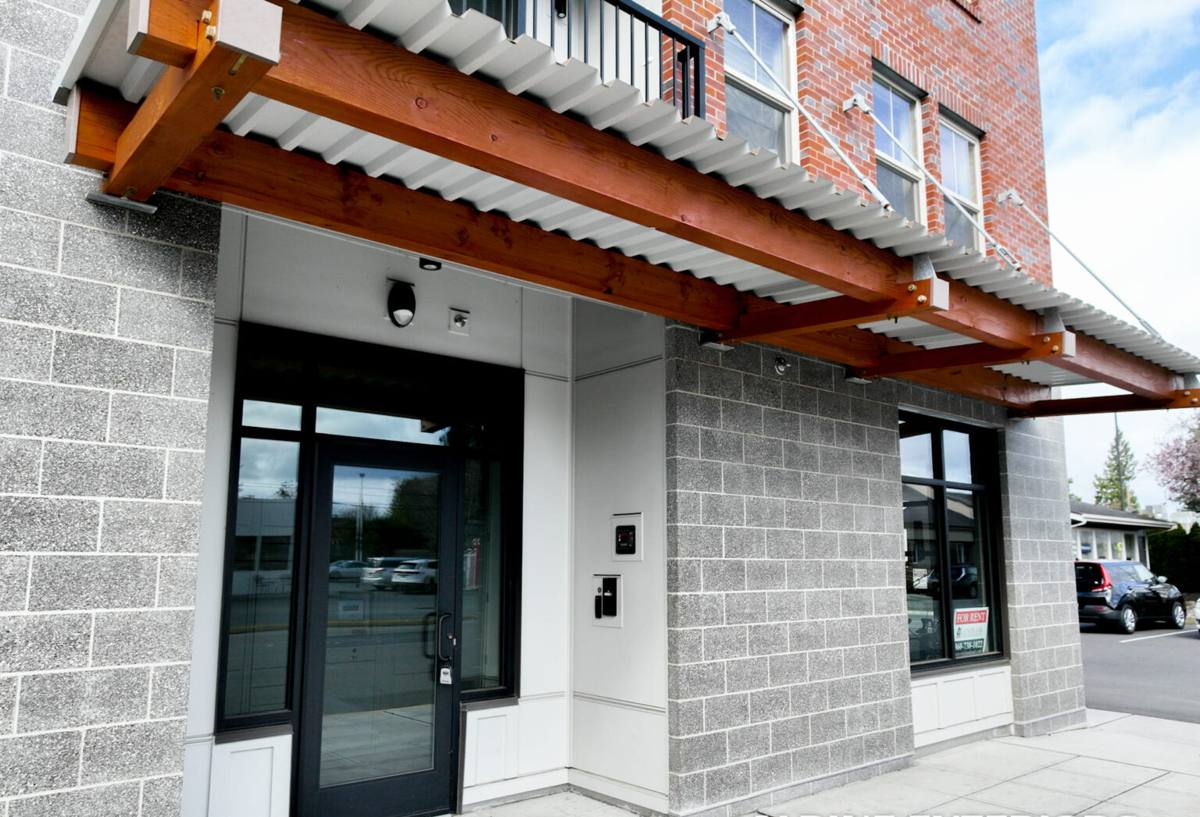
Signs a Sedro-Woolley Home Actually Needs Window Replacement
Not every problem window needs a full replacement — sometimes a reseal or hardware fix solves it. But there are signs that point specifically to replacement rather than repair:
- Fogging or a visible haze between panes of a double-pane window — the seal has failed and the gas fill is gone for good
- Soft or spongy wood at the sill or bottom corners of the frame, often hidden under paint until you press on it
- Windows that won't stay open, won't latch tight, or have visibly warped out of square
- Persistent moss or black streaking on the frame that keeps coming back within weeks of cleaning
- A noticeable draft or cold spot near the window even when it's fully closed and latched
- Condensation forming on the inside of the glass regularly through fall and winter
If you're only seeing one of these on one window, a repair may be enough. If you're seeing several of these across multiple windows, especially on the sides of the house that take the most weather, that's usually a sign the whole window — not just the glass — has reached the end of its useful life.
What a Correct Window Replacement Job Actually Involves
It's Not Just Swapping Glass
A window replacement done right is as much about the wall around the window as it is about the window itself. In a climate like ours, the flashing and sealing details matter more than the brand name on the frame. We build every installation around a few non-negotiables:
- Full removal and inspection of the opening — checking the sheathing, sill, and framing behind the old window for hidden rot before anything new goes in
- Proper flashing sequence — sill pan or flashing tape installed so any water that does get behind the siding drains back out, not down into the wall cavity
- Correct sealant placement — sealed where it needs to shed water, left open where it needs to let trapped moisture escape, since sealing everything solid can trap water instead of keeping it out
- Shimmed and squared installation — a window that isn't level and square will bind, leak at the corners, and wear its weatherstripping unevenly within a few years
- Interior and exterior trim finished properly — so the finished look matches the rest of the house and the trim itself isn't a future moisture entry point
Skip any one of these steps and you can end up with a brand-new window that leaks worse than the one it replaced — just more quietly, behind new trim.
Why Flashing Detail Matters More Here
In a drier climate, a sloppy flashing job might go unnoticed for years. In Skagit County, wind-driven rain finds gaps fast, and once water gets behind siding it doesn't dry out quickly given how much humidity sits in the air here for a good part of the year. That's why we treat flashing and drainage as the part of the job that actually determines whether a window lasts.
Choosing the Right Window Material for a Sedro-Woolley Home
There's no single "best" window material — the right choice depends on your home's exposure, your budget, and how much upkeep you want to take on. Here's how the common options actually compare for a home in this climate:
| Frame Material | Moisture Resistance | Maintenance | Typical Lifespan |
|---|---|---|---|
| Vinyl | Good — won't rot, doesn't need painting | Low | 20–30 years |
| Fiberglass | Very good — dimensionally stable in wet/dry cycles | Low | 30+ years |
| Wood (unclad) | Poor in exposed areas without diligent upkeep | High — repainting/sealing on a cycle | Varies widely with maintenance |
| Wood-clad (vinyl or aluminum exterior) | Good — exterior shell protects the wood core | Moderate | 25–35 years |
| Aluminum | Fair — prone to condensation without a thermal break | Low | 20–25 years |
For most Sedro-Woolley homes, we lean toward vinyl or fiberglass on wall areas that take direct weather — north and west exposures especially — simply because they don't depend on paint or caulking to stay watertight. Wood and wood-clad windows still have a place, particularly where the look matters for the style of the house, but we're honest with clients that they come with a maintenance schedule you have to actually keep up with in this climate, or the wood pays the price for it.
Our Window Replacement Process
- On-site walkthrough — we look at every window being considered, check the condition of the framing and siding around each one, and talk through what's actually needed versus what can wait
- Honest scope and estimate — a written breakdown of what we found, what we recommend, and why, with no pressure to replace more than makes sense
- Removal and structural check — old windows come out carefully so we can inspect the opening; any rot or damage gets flagged and addressed before the new window goes in
- Flashing and sealing — sill pan, flashing tape, and sealant applied in the sequence that actually sheds water in this climate
- Installation and leveling — window shimmed plumb, level, and square, then fastened per manufacturer spec
- Trim and finish — interior and exterior trim reinstalled or replaced to match the home
- Final check and cleanup — operation tested on every window, site cleaned up, and old windows hauled away
What Window Replacement Typically Costs
Every home is different, but the biggest cost swings usually come down to a handful of factors rather than the window brand alone:
| Cost Factor | Why It Matters |
|---|---|
| Frame material chosen | Fiberglass and higher-end vinyl cost more upfront than basic vinyl or aluminum |
| Window size and configuration | Large picture windows, bays, and custom shapes cost more than standard double-hungs |
| Condition of the existing opening | Hidden rot or damaged sheathing found during removal adds repair work before the new window can go in |
| Number of windows done at once | Doing multiple windows in one visit is usually more efficient per-window than one-off jobs |
| Trim and siding work | Matching trim profiles or repairing surrounding siding adds labor and material beyond the window itself |
Because so much of the real cost depends on what's found once the old window comes out, we'd rather give you an honest range after a walkthrough than a number over the phone that doesn't hold up.
Why Hiring a Crew That Already Works in Sedro-Woolley Matters
Window replacement isn't just a product install — it's a judgment call about how a specific house handles water, wind, and moisture. A crew that works across Skagit County regularly sees how homes in this area actually perform over time: which exposures take the worst of the driving rain, where moss tends to build up and hold moisture against trim, and which older flashing details common in this region tend to fail first. That local pattern recognition is what keeps a replacement job from becoming a repeat problem in two or three years.
It also matters for something more basic: showing up. Local crews aren't juggling long drives between distant job sites, which makes it easier to schedule a walkthrough, handle a follow-up question, or get back out for a warranty check without it turning into a scheduling ordeal.
Questions to Ask Before You Hire Anyone
Whoever you hire for window replacement, these are worth asking directly — the answers tell you a lot about how the job will actually go:
- Do you inspect and address hidden rot or damage before installing the new window, or just install over what's there?
- What's your flashing and sealing method, and can you explain why you do it that way?
- Is the estimate written, itemized, and based on an actual walkthrough of my home?
- Are you licensed and insured to do this work in Washington State?
- What's covered under warranty — the window manufacturer's warranty, your installation warranty, or both — and for how long?
- Will the same crew that quotes the job be the one doing the install?
Any contractor worth hiring should be able to answer these plainly, without hedging.
Get a Straight Answer About Your Windows
If you're not sure whether your windows need replacing, patching, or just some attention to the sealant and hardware, that's exactly what a walkthrough is for. We'll look at what you actually have, tell you what we'd do and why, and give you a written estimate with no pressure attached. Use the form below to request a free estimate for your Sedro-Woolley home.