 Anacortes Exterior
 Building New in Sedro-Woolley? The Windows Deserve as Much Attention as the Foundation
When a home is going up from the studs out, windows tend to get treated as a finish item — something picked from a catalog after the framing is done and the siding is chosen. That's a mistake, especially here. In Sedro-Woolley and the surrounding Skagit Valley, new-construction windows are structural openings in the building envelope, and how they're flashed, sealed, and integrated with the wall assembly during framing determines whether that house stays dry for the next thirty years or starts showing rot and stains behind the trim in five.
New-construction window work is a different trade than replacement work. It happens before the siding goes on, it involves the weather-resistive barrier and sill pan detailing, and it has to be coordinated with the builder's schedule. This page is specifically about that job, in this town, for the climate Skagit County actually gets.
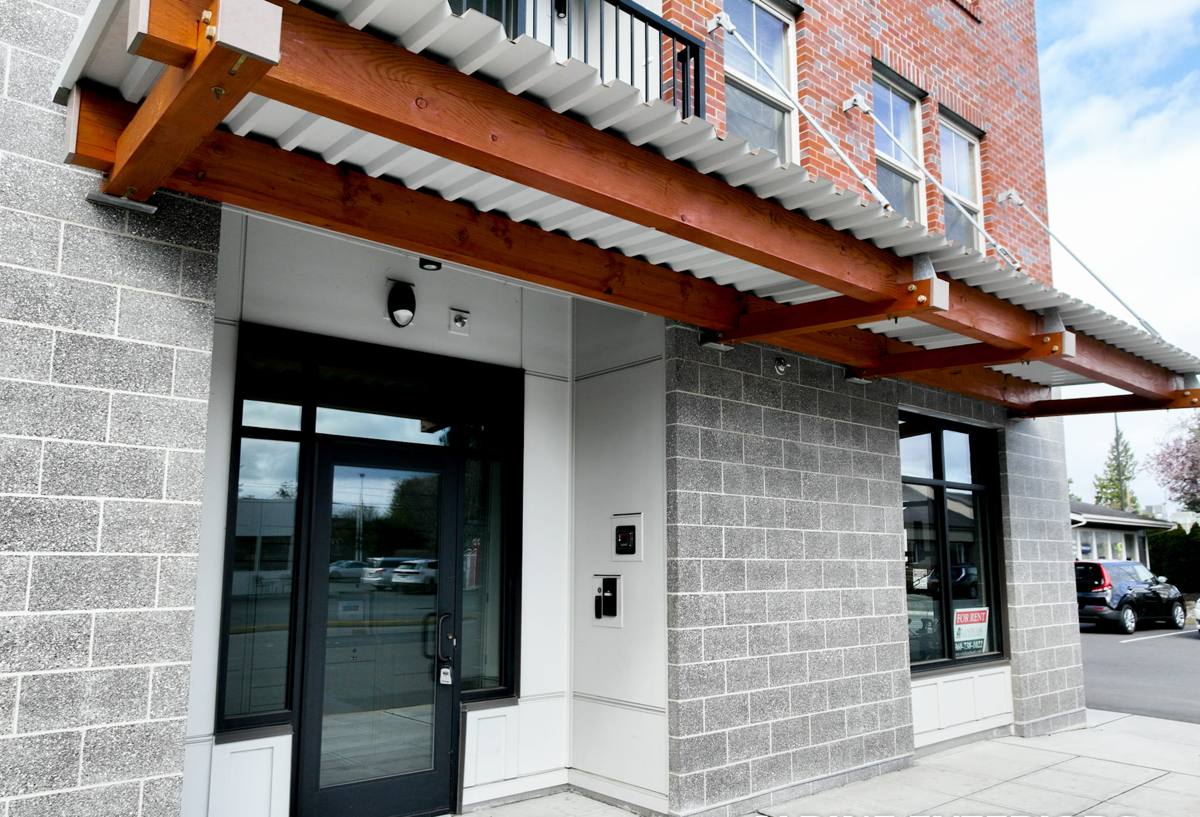
What the Local Climate Does to a Window Opening
Sedro-Woolley sits inland from Anacortes and Fidalgo Island, but it's still squarely in Skagit County's wet-side weather pattern: long stretches of steady, low-intensity rain from fall through spring, humidity that lingers under tree cover and in low-lying yards near the Skagit River, and enough overcast, damp weeks each year to grow moss on anything that stays wet and shaded. Add in the salt-laden air that moves inland off Rosario Strait and Padilla Bay on windier days, and you've got conditions that are hard on any building material that isn't detailed correctly at the opening.
None of this is exotic — it's the same weather that shapes exterior work all over the county. But it means a few things specifically for new-construction windows:
- Water doesn't have to be driven hard to get behind trim and siding — it just has to have time, and this region gives it plenty of time.
- Any gap in the flashing sequence becomes a slow leak, not a dramatic one, which means it can go unnoticed inside a wall for years before it shows up as a stain or soft spot.
- Shaded, damp exterior surfaces around window trim and sills are where moss and mildew take hold first, which is a maintenance issue but also a sign that water is sitting where it shouldn't.
- Wood components exposed at the sill or apron need either genuinely good detailing and finish, or a material choice that doesn't depend on paint film to stay sound.
Correct new-construction installation is how you build a house that shrugs off this weather instead of fighting it every winter.
New-Construction vs. Replacement Windows — Why the Job Is Different
Homeowners and even some builders use "window installation" as a catch-all term, but new-construction and replacement work are genuinely different jobs with different failure points.
| Factor | New-Construction Windows | Replacement Windows |
|---|---|---|
| Timing | Installed during framing, before siding and often before the weather-resistive barrier is fully lapped | Installed into an existing, already-sided wall |
| Frame type | Nail-fin (flange) frames fastened directly to sheathing | Pocket or full-frame units built to fit inside an existing opening |
| Flashing | Full sill pan, jamb, and head flashing integrated with the house wrap in a specific shingle-lap order | Relies on the existing flashing plus sealant at the new unit's perimeter |
| Coordination | Has to sync with the framer's, siding crew's, and sometimes the GC's schedule | Standalone job, scheduled around the homeowner |
| Main risk if done wrong | Hidden water intrusion behind siding, often not visible for years | Air/water leaks at the sash or perimeter trim, usually visible sooner |
The reason new-construction work demands more discipline is that mistakes get buried. Once siding goes on over a bad flashing job, nobody sees the problem until there's damage on the other side of the wall.
What a Correct Installation Actually Involves
The Sequence Matters More Than the Window Itself
A quality window installed with the wrong flashing sequence will still leak. A mid-grade window installed correctly, in the right order, with the right laps, will perform for decades. The order is not negotiable:
- Rough opening is checked for square, level, and correct dimension before the window ever shows up on site.
- A sloped sill pan is formed or installed so any water that gets past the window has somewhere to go — outward, not into the wall cavity.
- Weather-resistive barrier at the sides and top is prepped so it will lap over the flashing later, not under it.
- The window is set, shimmed for square and plumb, and fastened per the manufacturer's schedule — not just "close enough."
- Jamb flashing goes over the nailing fin, then head flashing goes over the jamb flashing and under the upper house wrap, so every layer sheds water onto the layer below it, like shingles.
- Interior sealing and insulation at the gap between frame and rough opening — this is an air-sealing and condensation-control step, not just a comfort item.
- Exterior sealant is used at the right joints only — sealant is a backup to good flashing, never a substitute for it.
Checklist: What to Ask a Crew Before They Start
- Will you install a sloped sill pan, or is the window just set on the sheathing with sealant?
- What's your flashing lap order relative to the house wrap — does upper flashing go over or under it?
- Who is responsible for insulating and air-sealing the interior gap around the frame?
- How do you handle window openings that sit under roof overhangs versus fully exposed walls?
- Can you walk me through your process on this specific house before the siding goes on, not after?
Choosing Window Products for a New Build Here
Frame material is a real decision, not just a style choice, once you factor in Skagit County's damp climate and any proximity to salt air.
Vinyl
Vinyl new-construction windows are the most common choice for a reason — they don't need painting, they don't rot, and the fin-frame design is straightforward to flash correctly. The trade-off is less design flexibility on larger custom openings and, on lower-end product lines, more frame flex over time. For most Sedro-Woolley new builds, a mid- to upper-tier vinyl window is a sound, low-maintenance choice.
Fiberglass
Fiberglass frames expand and contract with temperature at nearly the same rate as glass, which reduces seal stress over the life of the window, and they hold paint well if you want a custom color. They cost more up front. On a new build where the windows are going in once and staying for the life of the house, that cost difference is often worth discussing.
Wood and Wood-Clad
Wood-interior windows with a clad exterior look good and perform well when detailed and maintained properly, but they carry a real maintenance burden in this climate — any exposed wood sill or exterior wood trim needs a finish schedule that gets kept up, or moisture will find the seams over time. We're upfront with clients about this trade-off rather than talking them out of a product they want; it's a maintenance decision, not a defect.
How We Handle a New-Construction Job in Sedro-Woolley
We typically get brought in one of two ways: directly by a homeowner managing their own build, or as a sub working alongside a general contractor or framer. Either way, the process looks similar:
- Plan review before framing is finished. We check rough opening sizes against the actual window schedule so there are no surprises when units arrive.
- Site visit at the right stage. We install after sheathing and house wrap are up but before siding starts, so flashing laps correctly with both.
- Direct coordination with the builder's schedule. New-construction work has to fit into someone else's timeline, and we treat that as part of the job, not an inconvenience.
- Documentation of the flashing detail. On request, we can photograph the sill pan and flashing sequence before it's covered by siding, since that's the one point in the build when anyone can actually see it.
We're an Anacortes-based crew, but Sedro-Woolley is regular territory for us — we're not learning the area's builders, inspectors, or weather on your job.
Why Local Experience Actually Matters Here
A crew that only occasionally works this part of Skagit County will still know how to hang a window. What they won't necessarily know is how the local building department likes to see flashing documented, which builders in the area run tight schedules versus loose ones, or how a specific lot's exposure to wind and rain off the valley should change a detail. None of that shows up in a product brochure. It comes from doing the work here, repeatedly, and adjusting based on what actually happens to houses in this weather over time.
Cost Factors to Expect
New-construction window costs vary by opening size, frame material, glass package, and how many units are on the job — there's no single number that fits every build. Broadly, expect the biggest cost swings to come from these factors:
| Factor | Effect on Cost |
|---|---|
| Frame material (vinyl vs. fiberglass vs. wood-clad) | Largest single driver of per-unit cost |
| Glass package (standard vs. higher-performance low-E, gas fill) | Moderate increase, worth it for comfort and energy performance in this climate |
| Opening size and shape (standard vs. custom, large picture units) | Custom and oversized openings cost more per square foot |
| Number of units and site access | Bulk installs during framing are typically more efficient than one-off work later |
| Flashing complexity (exposed walls, minimal overhangs) | More exposed openings need more careful — and slightly more time-consuming — detailing |
We give straightforward, itemized estimates rather than a single vague number, so you can see what's actually driving the price on your specific build.
If you're framing a new home or addition in Sedro-Woolley and want the window openings done right the first time, we're happy to walk the site, review your window schedule, and put together a clear, no-pressure estimate — just fill out the form below.