 Anacortes Exterior
 Custom Windows for Sedro-Woolley Homes: Built for Skagit County Weather
Sedro-Woolley homes take a steady beating from Skagit County weather. Driving rain off the Skagit River valley, damp air rolling in from the Salish Sea, and long stretches of gray, wet months mean windows here work harder than they would almost anywhere drier. When a window is undersized for the opening, poorly flashed, or fitted with the wrong glass package, that weather finds the gaps fast. Custom windows aren't a luxury upgrade in this area — they're the difference between an opening that's properly sealed to your home's actual dimensions and one that's forced to fit a stock size with caulk and hope.
This page covers what a correct custom window job looks like for a Sedro-Woolley home, what local conditions demand from the materials and installation, and how our process works from first measurement to final walkthrough.
What "Custom" Actually Means for Replacement Windows
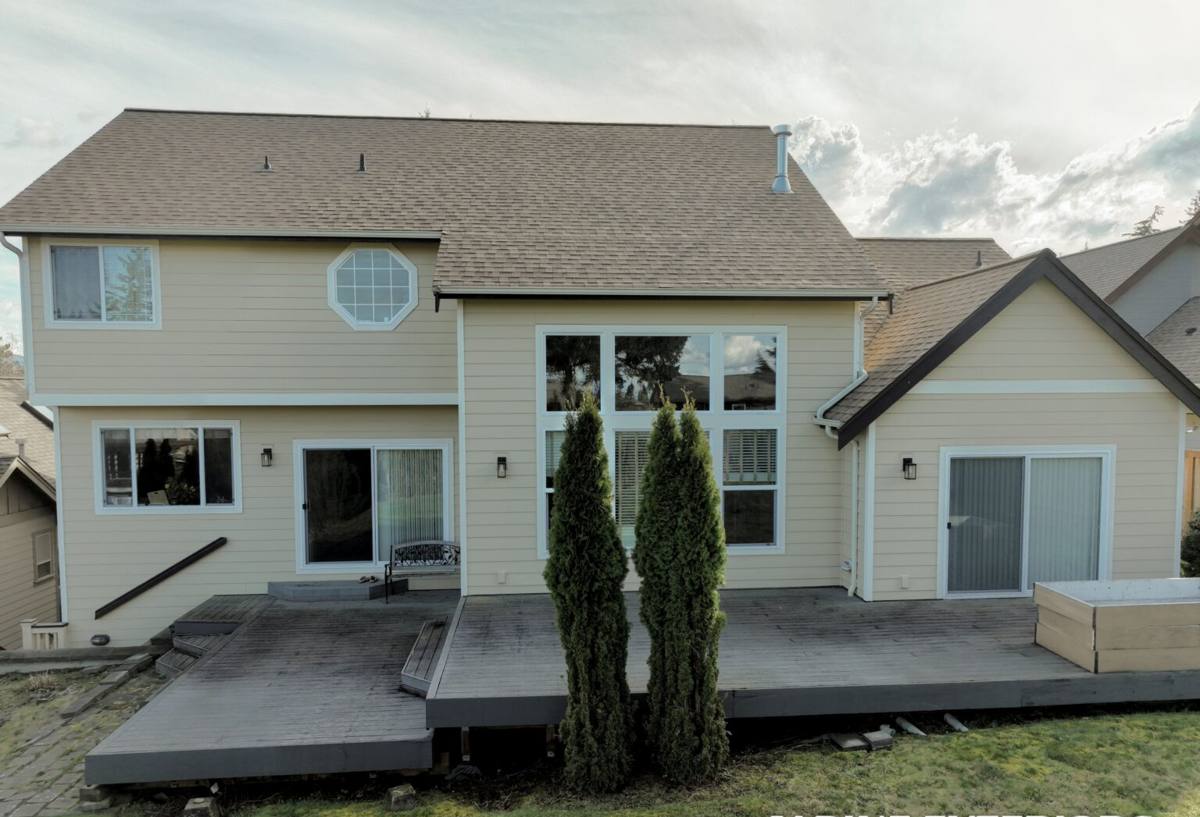
"Custom" doesn't mean expensive or ornate. It means the window is built to the exact rough opening of your home rather than pulled off a shelf in a handful of standard sizes. Most houses in and around Sedro-Woolley — whether older farmhouses, mid-century ranches, or newer builds — have at least a few openings that are slightly out of square, slightly oversized, or slightly undersized after decades of settling. A custom window is manufactured to match that opening precisely, which means:
- Fewer shims and filler pieces around the frame, which means fewer places for water and air to sneak through
- A frame profile and sightline that matches the rest of the house instead of standing out
- Glass and hardware chosen for that specific window's exposure — south-facing sun, north wall shade, or a wall that takes the brunt of storms off the valley
- The ability to correct a bad original installation instead of repeating the same mistake with a new window
Custom sizing costs a bit more upfront than grabbing a stock window off a truck, but it's almost always cheaper over the life of the window once you account for callbacks, rot repair, and premature failure.
How Skagit County's Climate Wears Down Windows Over Time
Driving Rain
Rain in this part of Washington rarely falls straight down. Wind off the Sound and up the valley pushes it sideways, which means it hits window walls with real force and finds its way into any gap that isn't properly flashed and sealed. A window that would perform fine in a drier, calmer climate can leak here simply because the flashing detail was skipped or done in the wrong order.
Moss and Organic Growth
Skagit County's long, mild, wet season is exactly what moss, algae, and mildew need to establish themselves. On windows, that growth tends to collect first in frame corners, sill tracks, and anywhere water sits instead of draining. Left alone, it holds moisture against wood trim and vinyl seals far longer than a quick rain shower would, which accelerates wear on caulking, weep holes, and any exposed wood.
Marine-Influenced Air
Even set back from the immediate shoreline, Sedro-Woolley sits within a broader marine climate zone. The air carries more moisture and salt-tinged humidity than an inland desert climate would, which over years can affect unprotected metal hardware, low-grade sealants, and finishes that weren't rated for a damp coastal environment. It's a slower process than direct salt spray on a beachfront house, but it adds up over a couple of decades.
Signs Your Sedro-Woolley Home Is Due for New Windows
- Fogging or a permanent haze between panes — the seal on the insulated glass unit has failed
- Visible gaps, soft spots, or paint bubbling on the wood trim around the frame
- Windows that are difficult to open, close, or lock, especially after damp weather
- A cold draft near the window even when it's fully closed and latched
- Moss or dark staining building up in the sill or lower frame corners
- Noticeably higher heating bills without any other explanation
- Condensation forming on the inside of the glass regularly through fall and winter
None of these on their own mean you need a full replacement immediately, but two or three together on the same window usually mean the seal or frame has broken down enough that repair is a short-term patch, not a real fix.
Choosing the Right Frame and Glass for This Climate
There's no single "best" window material for every house — it depends on your home's style, budget, and how exposed a given wall is to weather. Here's how the common options actually perform in a climate like Skagit County's:
| Frame Material | Moisture Resistance | Maintenance | Typical Fit |
|---|---|---|---|
| Vinyl | Very good — won't rot, resists moss adhesion | Low; occasional cleaning | Most budgets, wide style range |
| Fiberglass | Excellent — very stable in wet/dry cycles | Low | Higher-end projects, longer lifespan expected |
| Wood | Poor without diligent upkeep in this rainfall | High — repainting, sealing on a schedule | Historic or architecturally matched homes |
| Wood-clad (wood interior, metal/vinyl exterior) | Good — exterior shell protects the wood | Moderate | Homes wanting a wood interior look with better outdoor durability |
We're honest with homeowners about wood: it can look great and it's sometimes the right call for a historic or architecturally specific home, but bare or minimally protected wood exposed to Skagit County's rain and moss season needs a real maintenance commitment — repainting and resealing on a schedule, not just when it starts to look rough. If that's not something you want to keep up with, a wood-clad or fiberglass window can give you a similar interior appearance with a lot less upkeep.
On glass, double-pane units with a low-E coating and argon fill are the standard we recommend for this climate — they cut heat loss and reduce condensation risk on the interior pane, which matters through our long, cool, wet winters.
Our Custom Window Installation Process
- On-site measurement and assessment. We measure every opening individually and check the condition of the surrounding framing, sill, and sheathing for hidden rot or moisture damage before ordering anything.
- Material and glass selection. We walk through frame material, glass package, and hardware options based on that specific wall's sun and weather exposure, not a one-size answer for the whole house.
- Manufacturing to spec. Windows are built to the exact opening rather than a stock size, which cuts down on shimming and filler at install.
- Removal and opening prep. Old windows come out carefully, and we address any rot, soft framing, or old flashing failures we find before the new unit ever goes in.
- Flashing and sealing. This is the step that determines whether a window leaks in five years or twenty. Proper flashing tape, house wrap integration, and sealant order matter more than the window itself in a climate this wet.
- Setting, shimming, and fastening. The window is leveled, plumbed, and squared, then fastened per manufacturer spec so it operates smoothly and seals evenly.
- Interior and exterior finish work. Trim, caulking, and touch-up work are completed to match the rest of the home.
- Final walkthrough. We check operation, seal, and lock function on every window before calling the job done.
Why It's Worth Hiring a Crew That Works Sedro-Woolley Regularly
A window installer who mostly works drier climates or different housing stock doesn't always think about flashing sequence, weep hole placement, or moss-prone sill design the same way a crew that works Skagit County every week does. Working this area regularly means we've seen how houses of different ages and construction styles in and around Sedro-Woolley actually hold up over time — where water tends to find its way in, which details get skipped on a rushed job, and what it takes to get a seal that holds through a real Pacific Northwest winter, not just a demonstration.
It also means faster response if something needs attention after installation. A crew that's local doesn't have to schedule a special trip out to check a callback or answer a question about how a window is operating a season in.
Energy Performance and Comfort Payoff
Old, leaky, or failed-seal windows are one of the more noticeable places a house loses conditioned air, especially through a Skagit County winter when heating runs for months at a stretch. A properly fitted, well-sealed custom window with a modern glass package reduces drafts, cuts down on cold spots near the glass, and takes pressure off your heating system. It also helps control interior condensation, which matters in a climate damp enough that excess indoor moisture on cold glass can contribute to mold or mildew issues around the frame over time.
What Drives the Cost of a Custom Window Project
| Factor | Why It Affects Price |
|---|---|
| Frame material | Vinyl is generally the most affordable; fiberglass and wood-clad cost more upfront but often last longer |
| Number of openings | Per-window cost typically drops somewhat as the total job size increases |
| Glass package | Low-E coatings, argon fill, and impact- or sound-rated glass add cost but improve performance |
| Existing damage | Rot repair or sheathing replacement discovered during removal adds labor and material |
| Window size and style | Larger units, custom shapes, and operable styles like casement or awning generally cost more than standard sliders |
| Access and site conditions | Second-story or hard-to-reach openings can add labor time |
We give a firm, itemized quote after the on-site assessment so you know exactly what you're paying for and why, rather than a vague ballpark that changes once work starts.
Caring for Your New Windows After Installation
- Rinse frames and sills periodically to keep moss and algae from establishing, especially on north- and west-facing walls
- Check and clear weep holes at the base of the frame so water can drain instead of pooling
- Inspect exterior caulking once a year and touch up any cracked or separated sections before winter
- Wipe down tracks and hardware to keep sliders and locks operating smoothly through the wet months
- Watch for early condensation between panes — it's the first sign a seal is starting to fail, and catching it early is easier than waiting for full fogging
Vinyl and fiberglass windows need very little of this, but a few minutes a couple times a year keeps any window performing the way it should in this climate.
Ready to Talk Windows?
If your Sedro-Woolley home has windows that are drafty, fogged, hard to operate, or just original to a house that's due for an upgrade, we're happy to come take a look. We offer free, no-pressure estimates — we'll assess your current windows, talk through material and glass options that make sense for your home and budget, and give you a straightforward, itemized quote. Fill out the form below to get started.