 Anacortes Exterior
 Roof Repair for Conway Homes
Conway sits down in the Skagit River lowlands, a quiet stretch of Skagit County where farmland, river bottom, and heavy tree cover meet. It's a different setting than a lot of the neighborhoods we work in closer to Anacortes proper, but the roofing problems we see are shaped by the same regional climate: months of steady rain, salt-laden air drifting in off Skagit Bay and Puget Sound, and a moss season that runs far longer than most homeowners realize. A roof out here takes a beating in ways that aren't always obvious from the ground, and a repair done without accounting for that climate tends to fail again within a year or two.
We've done repair work throughout this part of the county long enough to know what actually holds up and what's just a quick patch dressed up to look like a fix. This page covers what Conway-area roofs typically need, what a correct repair looks like, and how we approach the job.
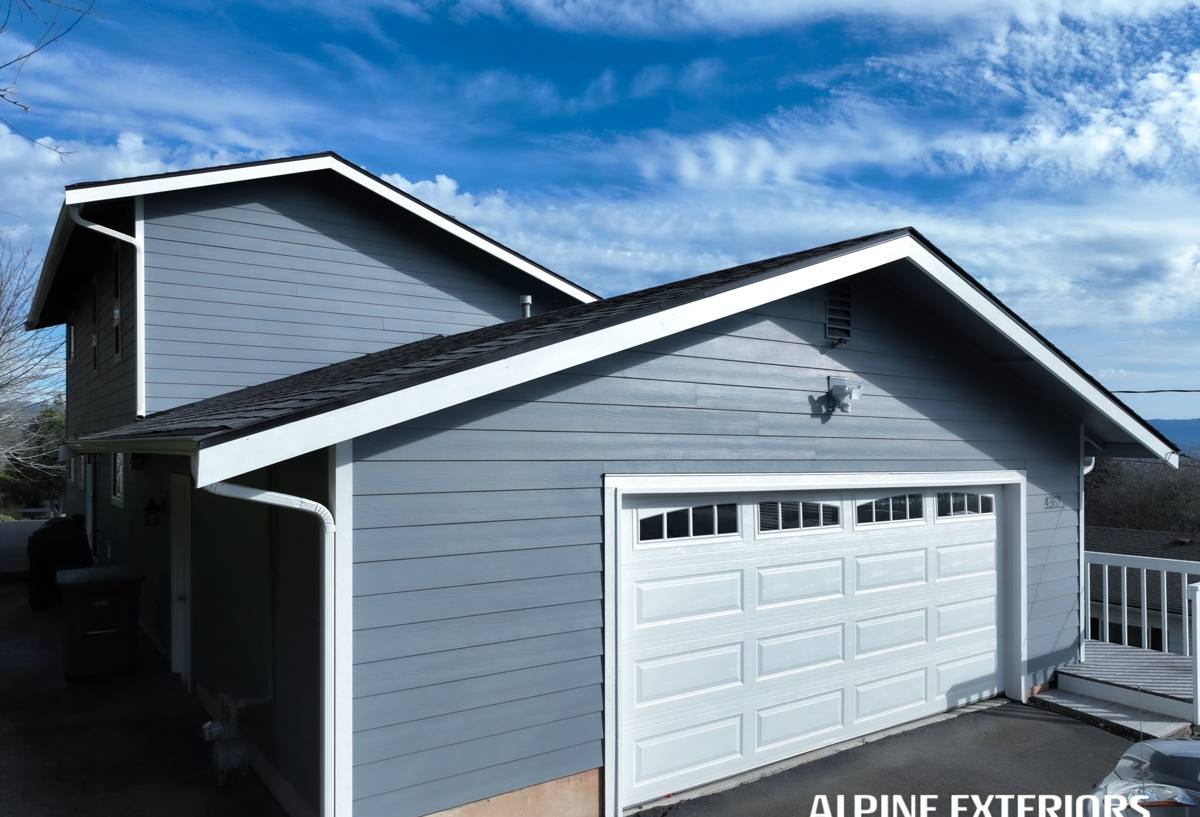
Why the Local Climate Matters for Roof Repair
Roof repair isn't a generic service — the right fix depends heavily on what's actually attacking the roof, and in Skagit County that's a combination of factors that don't hit every region the same way.
Moisture That Never Fully Lets Up
Western Washington's rainy season is long, but the lowland areas around Conway also sit closer to the river and surrounding wetlands, which keeps humidity higher for more of the year. Roofing materials that would dry out completely between storms in a drier climate stay damp longer here, which accelerates wear on shingles, underlayment, and exposed fasteners.
Salt Air and Corrosion
Proximity to Skagit Bay and the broader Puget Sound means salt-laden air reaches inland further than people expect, and it's hard on anything metal — flashing, nail heads, gutter hardware, and vent boots all corrode faster than they would in a landlocked climate. A repair that uses standard-grade fasteners or flashing without accounting for that will show rust streaks and early failure sooner than it should.
Moss, Tree Cover, and Shade
Between the tree lines common around Conway properties and the extended damp season, moss gets a long runway to establish itself on north-facing slopes and shaded valleys. Moss isn't just cosmetic — it holds moisture against the roofing material, lifts shingle edges as it grows, and can work its way under flashing over time.
Common Roof Repair Issues We Find in This Area
- Moss intrusion at shingle edges and valleys — lifted tabs, granule loss, and trapped moisture underneath
- Flashing failure around chimneys, skylights, and roof-to-wall transitions — often the actual source of a leak that looks like it's coming from somewhere else
- Clogged or undersized gutters — water backing up under the roof edge during heavy rain events
- Nail pops and fastener corrosion — small holes that let water in gradually rather than all at once
- Deteriorated pipe boots and vent seals — rubber components that crack and shrink faster in this climate than most homeowners expect
- Storm-driven debris damage — branches and wind-blown material from surrounding tree cover
- Ridge cap wear — the highest, most exposed part of the roof, often the first place to show its age
What a Correct Repair Actually Involves
A lot of what gets called "roof repair" is really just covering a symptom — a bead of sealant over a crack, a shingle laid over a soft spot without checking what's underneath. That kind of work can buy a little time, but it doesn't address why the damage happened, and on a roof already fighting constant moisture and salt exposure, it fails fast.
A repair that actually holds up starts with finding the real source of the problem, not just the visible symptom. Water travels — a stain on a ceiling in one room can trace back to a flashing gap several feet away. That means pulling back shingles or flashing where needed to see what's happening underneath, not just patching what's visible from the outside.
Matching Materials, Not Just Covering Gaps
Repairs should use materials compatible with what's already on the roof — mismatched shingle types, incompatible sealants, or the wrong flashing metal can create new problems even while solving the old one. On an older Conway home, that sometimes means sourcing a close match rather than whatever's on the truck.
Addressing the Cause, Not Just the Spot
If moss caused the damage, a repair that doesn't also address moss growth and drainage in that area is a repair that will need to be redone. If a gutter backup pushed water under the roof edge, fixing the shingle without addressing the gutter just resets the clock on the same failure.
Our Repair Process
- On-site inspection. We walk the roof (weather permitting) and check the attic where accessible, since interior signs of moisture often tell us more than what's visible from outside.
- Diagnosis, not guesswork. We trace leaks and damage back to their actual source before proposing a fix, even if that means checking areas beyond where the symptom showed up.
- A clear explanation and honest scope. We tell you what we found, what needs to happen, and why — including when a small, targeted repair is genuinely the right call versus when a bigger issue is developing.
- The repair itself. Matched materials, proper flashing technique, and attention to how water actually moves across that section of roof.
- A final check. We confirm the fix addresses the cause, not just the symptom, before we call the job done.
Repair or Replace? What Actually Decides It
Not every roofing problem in the Conway area needs a full replacement, but not every issue should be patched indefinitely either. Here's how we generally think through it:
| Factor | Leans Toward Repair | Leans Toward Replacement |
|---|---|---|
| Roof age | Under 15-20 years, depending on material | Nearing or past expected material lifespan |
| Extent of damage | Isolated to one section or component | Spread across multiple slopes or recurring in several spots |
| Underlying material condition | Decking and underlayment still sound | Soft decking, widespread underlayment failure |
| Moss/moisture history | First occurrence, addressed early | Long-term untreated moss with granule loss across the roof |
| Cost of repeated repairs | Repair cost is low relative to roof value | Pattern of repeat repairs approaching replacement cost |
We'll always tell you honestly which category your roof falls into rather than defaulting to whichever job is bigger.
Working with Common Roofing Materials in the Area
Composition (asphalt) shingle roofs are the most common material we repair around Conway and the broader Anacortes area, and they respond well to targeted repair when the damage is caught before it spreads. Metal roofing shows up on some homes and outbuildings in this more rural stretch of the county, and repair on those systems is a different skill set — fastener corrosion and seam integrity matter more than shingle-level repairs. Older homes sometimes still carry wood shake or older built-up roofing; we're honest about when a repair on aging wood shake is still viable versus when the material itself is simply past the point where patching makes sense, given how much slower it dries and how much moss it tends to hold in this climate.
Signs You May Need a Roof Repair
Homeowners in this area don't always get a dramatic leak as the first sign of a problem — often it's smaller clues that build up over a season or two.
- Visible moss growth, especially on north-facing or shaded slopes
- Granules collecting in gutters or at downspout outlets
- Dark streaking or staining on interior ceilings, even if faint
- Curling, cracked, or missing shingles after a windstorm
- Rust streaks near flashing, vents, or metal roof edges
- Sagging or soft-feeling spots along the roofline
- Gutters overflowing during heavy rain even when clear of debris
- Daylight visible through the roof deck from inside the attic
Catching any of these early is almost always cheaper and less disruptive than waiting until it becomes an interior repair problem too.
Why a Crew That Already Works in Conway Matters
Roof repair isn't just about technique — it's about knowing how a specific area's conditions actually behave over a full year. A crew that regularly works properties in and around Conway has already seen how moss behaves on the shaded, tree-lined lots common here, how quickly salt air corrodes exposed fasteners in this stretch of the county, and which flashing details tend to fail first on the housing stock typical to this area. That local pattern recognition means less time spent diagnosing and a repair that's built for the conditions your roof is actually facing, not a generic fix pulled from a different climate.
If you're noticing moss buildup, a stain that wasn't there last season, or storm damage after a windy stretch, we're happy to take a look. Reach out for a free, no-pressure estimate — we'll tell you honestly what we find and what it actually needs.