 Anacortes Exterior
 Building New in Skyline? Get the Windows Right the First Time
If you're framing a new home in the Skyline area of Anacortes, the windows you choose and how they're installed will matter more than almost any other exterior decision you make. New construction gives you one real chance to get window flashing, water management, and frame integration right — before siding, trim, and interior finishes close everything up. Get it wrong here and you're not looking at a small fix later; you're looking at torn-out siding and interior drywall to chase a leak that started at the rough opening.
We install new-construction windows on homes throughout Anacortes and the surrounding Skagit County area, including builds in and around Skyline. The properties up here sit close to Fidalgo Island's shoreline exposure, which means salt-laden air, wind-driven rain off Rosario Strait and the Guemes Channel, and a long, damp moss season that keeps roofs, siding, and window sills wet for months at a stretch. New-construction windows have to be selected and installed with that reality in mind from day one, not treated as an afterthought once the framing crew moves on.
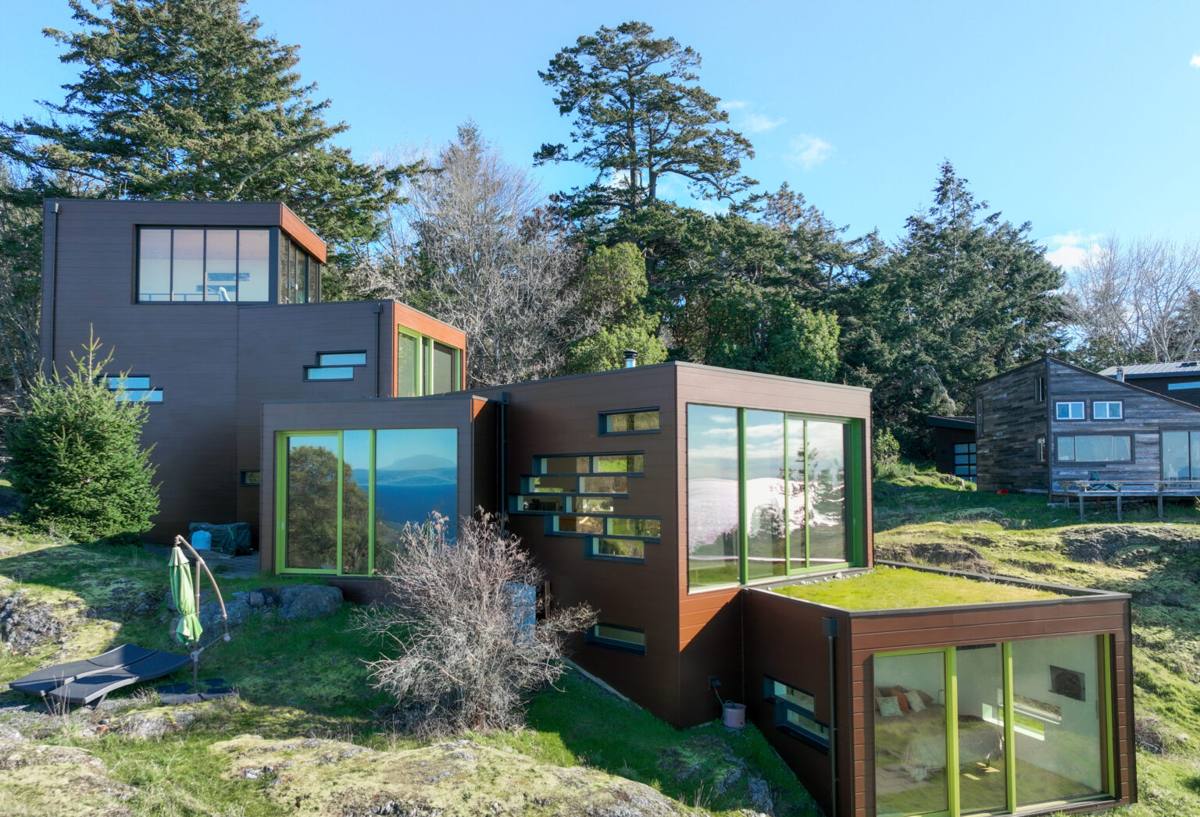
What Anacortes' Climate Demands From New-Construction Windows
Skyline homes face a specific combination of weather stress that inland Skagit County builds don't deal with to the same degree. A window package that works fine in Mount Vernon or Sedro-Woolley isn't automatically the right call for a home with direct or partial marine exposure.
Salt Air and Coastal Corrosion
Airborne salt from the surrounding waters accelerates corrosion on unprotected metal hardware, fasteners, and some window frame components. Over years, that corrosion shows up as pitting on hinges and locks, streaking on frames, and — in the worst cases — degraded seals around the glass unit. New-construction installs are the right time to specify corrosion-resistant hardware and frame finishes rated for coastal or marine environments, because swapping out hardware after the siding is finished is a far more disruptive job than specifying it correctly up front.
Wind-Driven Rain and Water Management
Anacortes gets rain that doesn't just fall — it's pushed sideways by wind coming off the water, which means it hits window openings at an angle and tests every seam in the flashing and sealant work. A window that's watertight in calm, straight-down rain can still leak under wind-driven conditions if the flashing sequence at the rough opening wasn't done correctly. This is a new-construction-specific issue: the flashing details happen during framing, before the window ever gets its trim and paint, and there's no do-over once the wall is closed up.
Moss Season and Sustained Moisture
The long wet season in this part of Skagit County keeps horizontal surfaces — including window sills and the tops of trim boards — damp for extended stretches, which is exactly the condition moss and mildew need to take hold. Sill pan flashing, proper slope away from the frame, and drainage paths that actually let water escape (rather than pool) are what keep a new window looking new for years instead of developing green streaking and soft trim within a couple of seasons.
New-Construction vs. Replacement Windows — Why the Distinction Matters
These are two different products installed two different ways, and mixing them up on a new build leads to real problems. New-construction windows have a nailing flange (or "fin") built into the frame that gets fastened directly to the wall sheathing and integrated into the house wrap and flashing system before siding goes on. Replacement windows are designed to slide into an existing opening without disturbing the exterior finish — they're the right tool for an older home, not for a house that's still open to the studs.
| Factor | New-Construction Window | Replacement Window |
|---|---|---|
| Installation method | Nailing flange fastened to sheathing, integrated with house wrap/flashing | Inserted into existing frame, minimal exterior disturbance |
| Best used when | Framing is open, siding not yet installed | Existing siding and trim stay in place |
| Water management | Built into the wall's full flashing system from the start | Relies on the condition of the existing opening |
| Long-term performance in coastal exposure | Strongest — full control over sill pan, flashing, and sealant sequence | Limited by what's already built into the wall |
For a Skyline new build, there's no reason to compromise on this — the framing is open, so the window and the wall's water management system should be installed as one integrated assembly, not patched together after the fact.
What a Correct New-Construction Window Install Involves
A window is only as good as the flashing and prep work around it. On new construction, we follow a sequence designed to shed water at every layer, so that even if one layer is eventually compromised, the ones behind it still protect the wall assembly.
- Rough opening checked for square, level, and correct dimensions before the window ever arrives on site
- Sill pan flashing installed to catch and direct any water that gets past the window back outside the wall
- Weather-resistive barrier (house wrap) integrated with the flashing in the correct shingle-lap order — top layer over the one below it, never reversed
- Window set, shimmed, and fastened per the manufacturer's structural requirements, not just "however it fits"
- Head flashing installed above the window to divert water around, not into, the opening
- Sealant used only where it's supposed to carry the water load — not as a substitute for correct flashing sequencing
- Interior and exterior insulation/air-sealing at the frame gap, sized correctly so the window isn't bowed by over-packed foam
- Final check of operation, latching, and seal before trim and siding close the area up
Skipping or rushing any one of these steps is how a brand-new window ends up with a hidden leak that doesn't show itself until the drywall stains a year or two later.
Choosing Materials and Glass for a Skyline Build
Frame material and glass package both affect how a window holds up to salt air, rain, and the region's cooler, damp winters. Vinyl frames are budget-friendly and low-maintenance, and modern vinyl formulations handle coastal exposure reasonably well, though very dark exterior colors can show more UV wear over time near open water. Fiberglass frames cost more up front but resist expansion, contraction, and corrosion better over the long run, which is worth weighing for a home with direct marine exposure. Wood-clad windows offer a traditional look but need more diligent maintenance in this climate — the cladding protects the exterior face, but any gap in that protection exposes wood to sustained moisture, which is a real maintenance burden in a moss-season climate rather than a one-time concern.
For glass, a dual-pane, low-E unit is the practical baseline for this region — it manages heat loss through Anacortes' cool, wet winters without paying for cooling performance this climate doesn't demand much of. Argon-filled units add a modest efficiency bump for a modest cost increase. We'll walk through the honest trade-offs of each option — including where a cheaper package makes sense and where it doesn't — rather than upselling a package your home and budget don't need.
Our Process for New-Construction Installs in Skyline
New-construction window work has to fit into a builder's or homeowner's larger framing schedule, so coordination matters as much as the install itself.
Before Framing Closes Up
We review the window schedule and rough opening sizes against the actual framing on site — plans and field conditions don't always match exactly, and it's far cheaper to catch a discrepancy before the openings are cut than after.
During Install
We follow the flashing and sealing sequence above on every opening, documenting as we go so there's a clear record of how each window was integrated into the wall assembly — useful for your own records and for any future work on the home.
Before Siding Closes the Wall
We do a final walk of every opening before the siding crew starts, since this is the last point where a flashing issue can be corrected without tearing into finished work.
Cost Factors for New-Construction Windows
Every Skyline build is different, so we won't quote a number without seeing the plans and window schedule — but these are the factors that actually move the price.
| Factor | Why It Matters |
|---|---|
| Number and size of openings | More and larger windows mean more material, flashing, and labor hours |
| Frame material | Vinyl is the most budget-friendly; fiberglass and wood-clad cost more up front |
| Glass package | Low-E and argon-filled units add cost but improve year-round performance |
| Window style | Fixed windows are simpler to install than casements, sliders, or custom shapes |
| Site access and timing | Coordinating around a tight framing schedule can affect labor efficiency |
A Practical Note on Budgeting
It's tempting to trim the window budget on a new build since so many other costs are competing for the same dollars. We'd rather be straight with you: spending a bit more on correct flashing and a frame material suited to this climate now is almost always cheaper than dealing with a moisture problem behind finished siding a few years down the road.
Why a Crew That Already Works Skyline Matters
Anacortes and the wider Skagit County area have their own permitting expectations, inspection patterns, and — more importantly — their own weather realities that don't show up in a generic install checklist. A crew that's already worked new-construction jobs in Skyline knows how the wind typically drives rain against these homes, understands what the salt air exposure actually does to hardware over time here, and has already worked through the coordination points with local builders and framing crews. That local familiarity shows up in fewer surprises during the build and fewer callbacks after it.
If you're planning a new build in Skyline and want your windows installed correctly the first time — flashed, sealed, and specified for the salt air, driving rain, and moss season this part of Anacortes deals with every year — we're glad to walk the plans with you. Reach out for a free, no-pressure estimate using the form below, and we'll give you a straightforward read on what your build needs.