 Anacortes Exterior
 Building New on Fidalgo Island: Windows Done Right the First Time
Fidalgo Island sits between Rosario Strait and the Swinomish Channel, which means almost every home built here deals with marine wind, salt-laden air, and rain that doesn't just fall straight down — it drives sideways off the water. If you're framing a new home, an addition, or a shop with living space on Fidalgo Island, the windows you choose and how they're installed during framing will决定 how that structure performs for the next several decades. This page covers new-construction window installation specifically — not replacement retrofits — for lots in and around Anacortes and the rest of the island.
New-construction windows go in before the siding does, while the wall is still open framing wrapped in house wrap or another weather-resistive barrier. That gives us one real shot at getting the flashing and drainage plane right. Get it wrong at this stage and the problem doesn't show up as a leak for years — by which point it's hidden behind finished walls.
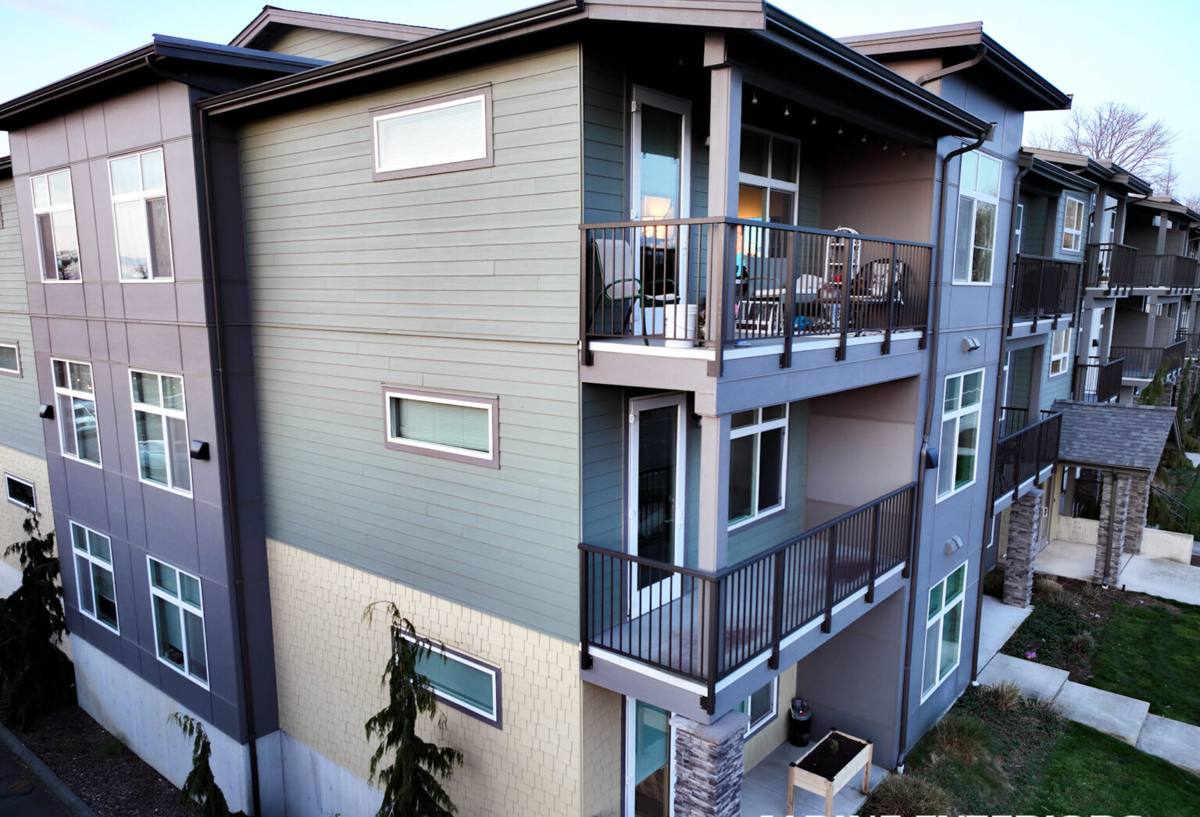
Why Fidalgo Island's Climate Changes the Job
Skagit County's marine climate is milder than inland Washington, but "milder" doesn't mean easier on windows. Three things specific to this island shape how we approach a new-construction install:
Salt air and corrosion
Homes closer to the shoreline take on airborne salt that accelerates corrosion on unprotected fasteners, hinges, and cladding-attached hardware. Standard interior-grade screws and staples used for window flanges can rust and stain siding within a few years on exposed sites. We spec corrosion-resistant fasteners for anything within reach of salt spray, and it costs little extra to do it right the first time versus repairing stained siding later.
Driving, wind-pushed rain
Wind off the water pushes rain sideways and upward under eaves and around window edges — ordinary "gravity only" flashing assumptions don't hold up here. Every horizontal flashing detail at a new-construction window needs to shed water outward even when the wind is pushing rain in the opposite direction.
A long moss and algae season
Shaded, north- and east-facing walls on wooded or hillside Fidalgo Island lots stay damp for much of the year, which feeds moss and algae growth on sills, trim, and low-slope surfaces near the window. That's mostly a maintenance and appearance issue rather than a structural one, but it's a sign of moisture sitting where it shouldn't — which makes the underlying flashing and drainage details even more important to get right at install.
New-Construction vs. Replacement: What the Difference Actually Means
People sometimes call any window job "installation," but the products and the process are different. A replacement window is built to fit inside an existing opening, using the old frame or a pocket install with the exterior trim and siding staying in place. A new-construction window has a nailing flange around the perimeter that gets fastened directly to the framing and integrated with the weather-resistive barrier before siding goes on.
That flange-and-flashing system is what lets us build a genuine shingle-lap drainage plane — sill pan first, then the window, then jamb flashing, then head flashing, each layer overlapping the one below so water always sheds down and out, never behind the layer beneath it. You only get that level of control when the wall is open. It's the right approach for new builds, additions, and any remodel where the wall is being opened down to the studs anyway.
What a Correct Install Actually Involves
The sill pan comes first
Before the window ever goes into the opening, the rough sill gets a sloped, sealed pan — factory-made or field-built — so that any water that gets past the window in a hard blow has somewhere to go besides the framing below it. On a site exposed to Rosario Strait winds, skipping this step is the single most common cause of hidden rot we find when we're called in to fix somebody else's work years later.
Weather-resistive barrier integration
The house wrap or building paper has to be cut, folded, and taped in a specific sequence around the opening so that every layer — wrap, flashing tape, window flange, more flashing tape — laps correctly. Reversed laps or gaps at the corners are invisible once siding covers them, and they're the source of the slow leaks that show up as stains or soft trim years down the road.
Fastening and sealant
Nailing flanges get fastened per the manufacturer's schedule — not "close enough" — because under-fastened windows can shift or bow under wind load, and over-fastened flanges can be punctured or torn. Sealant goes only where the manufacturer specifies, never as a substitute for correct flashing; caulk is a backup layer, not the primary defense against water.
Head flashing and drainage gap
Above every window, a head flashing diverts water around the top of the unit rather than letting it pool against the frame. Where the siding type allows for it, a drainage gap behind the cladding lets any incidental moisture that does get past the outer layer dry out instead of sitting against the sheathing.
Choosing Frame Material and Glass for This Environment
There's no single "best" window frame material — each has real trade-offs, and the right call depends on the lot's exposure, the home's design, and budget. Here's how the common options generally compare for a marine, salt-air site like Fidalgo Island:
| Frame Material | Salt Air / Moisture Behavior | Maintenance | Typical Trade-Offs |
|---|---|---|---|
| Vinyl | Won't corrode or rot; performs well near salt air | Low — occasional rinse | Lower cost, fewer color/finish options, can look less premium |
| Fiberglass | Very stable, resists moisture and temperature movement well | Low | Higher upfront cost than vinyl, wide color range |
| Wood-clad | Exterior cladding protects wood, but any cladding breach exposes wood to rot | Higher — finish and seals need periodic attention | Best interior appearance, most installation-sensitive in wet climates |
| Aluminum | Prone to condensation and corrosion issues near salt air without thermal breaks | Moderate | Narrow sightlines, generally not our first recommendation for this island's exposure |
For most new construction on Fidalgo Island, we steer homeowners toward vinyl or fiberglass on exposed elevations, and reserve wood-clad for sheltered, low-exposure walls where the extra maintenance is manageable and the look matters most. That's a professional judgment call about long-term moisture behavior and upkeep — not a knock on any manufacturer, and we'll walk through the trade-offs for your specific lot rather than push one product across the board.
On glass, Washington's energy code sets minimum performance standards for new construction, and most quality window lines meet or beat those U-factor requirements out of the box. Beyond code minimums, on west- and south-facing walls that get direct afternoon sun off the water, a lower solar heat gain coefficient glass package can meaningfully cut summer heat buildup without sacrificing view clarity.
How Our Process Works
- Site walk and plan review — we look at the framing plan or existing rough openings, note wind exposure by elevation, and flag any details (deep eaves, minimal overhangs, ground-level walls) that change the flashing approach.
- Product selection — we go over frame material, glass package, and hardware finish against your budget and the exposure of each wall, with honest trade-offs, not upselling.
- Coordination with your builder — new-construction window install has to land at the right point in the framing schedule, after the WRB is on and before siding starts. We coordinate directly with your general contractor or framer so nobody's waiting on anybody.
- Installation — sill pan, WRB integration, window set and fastened to spec, jamb and head flashing, sealant only where specified.
- Walkthrough — before siding closes the wall up, we walk the flashing details with you or your GC so everyone can see the work, not just trust that it happened.
What Drives the Cost
| Factor | Why It Matters |
|---|---|
| Number and size of openings | More or larger windows mean more flashing detail work and material, not just more units |
| Frame material | Vinyl, fiberglass, and wood-clad carry different material costs, as shown above |
| Wall exposure | West- and water-facing walls often warrant upgraded flashing tape and glass packages given driving rain and sun exposure |
| Wall height and access | Two-story or elevated openings take longer and may need staging or lift equipment |
| Scheduling coordination | Working cleanly within a builder's framing schedule keeps the job efficient; delays or rework add cost |
We're glad to walk your plans and give you a real range before you're locked into a product order — broad ballpark numbers over the phone rarely hold up once we've actually seen the openings.
After Installation: Living With This Climate
A correctly installed new-construction window on Fidalgo Island needs very little from you, but a little seasonal attention goes a long way given the moss season here:
- Rinse salt residue off frames and glass a few times a year if you're within a mile or two of the shoreline
- Keep gutters and downspouts clear so roof runoff isn't sheeting down across window heads
- Brush moss and algae off sills and trim on shaded, damp walls before it builds up and holds moisture against the frame
- Check exterior sealant lines annually — sealant is a maintenance item, not a lifetime one, even on a correctly flashed window
- Watch for soft trim, staining, or bubbling paint near a window as an early sign worth a look, not something to wait out
Why a Fidalgo Island-Based Crew Matters Here
New-construction window installation is detail work, and the details that matter shift with the site. A crew that already works Fidalgo Island and the greater Anacortes area day to day knows which elevations catch the worst of the wind off Rosario Strait, which lots hold onto moisture longer through the moss season, and how Skagit County's permitting and inspection process actually runs — so your framing inspection isn't held up by avoidable surprises. That local pattern recognition is the difference between a window package chosen off a spec sheet and one actually matched to how weather behaves on your specific lot.
If you're planning a new build, addition, or full-wall remodel on Fidalgo Island and want windows installed correctly the first time, we're happy to walk the site with you and put together a free, no-pressure estimate — just fill out the form below.