 Anacortes Exterior
 Metal Roofing Built for West Anacortes Conditions
West Anacortes sits close enough to the water that homes here take a different kind of weather beating than roofs just a few miles inland. Salt-laden air off the surrounding waterways, wind-driven rain that comes in sideways during winter storms, and a moss season that can run most of the year in the shade pockets between homes all add up to faster wear on the wrong roofing system. Metal roofing, installed correctly with the right materials, holds up well against all three — but "correctly" is doing a lot of work in that sentence, and it's where a lot of installs fall short.
This page is about one thing: metal roofing for homes in West Anacortes specifically, what the local climate demands of it, and what a properly done job actually involves.
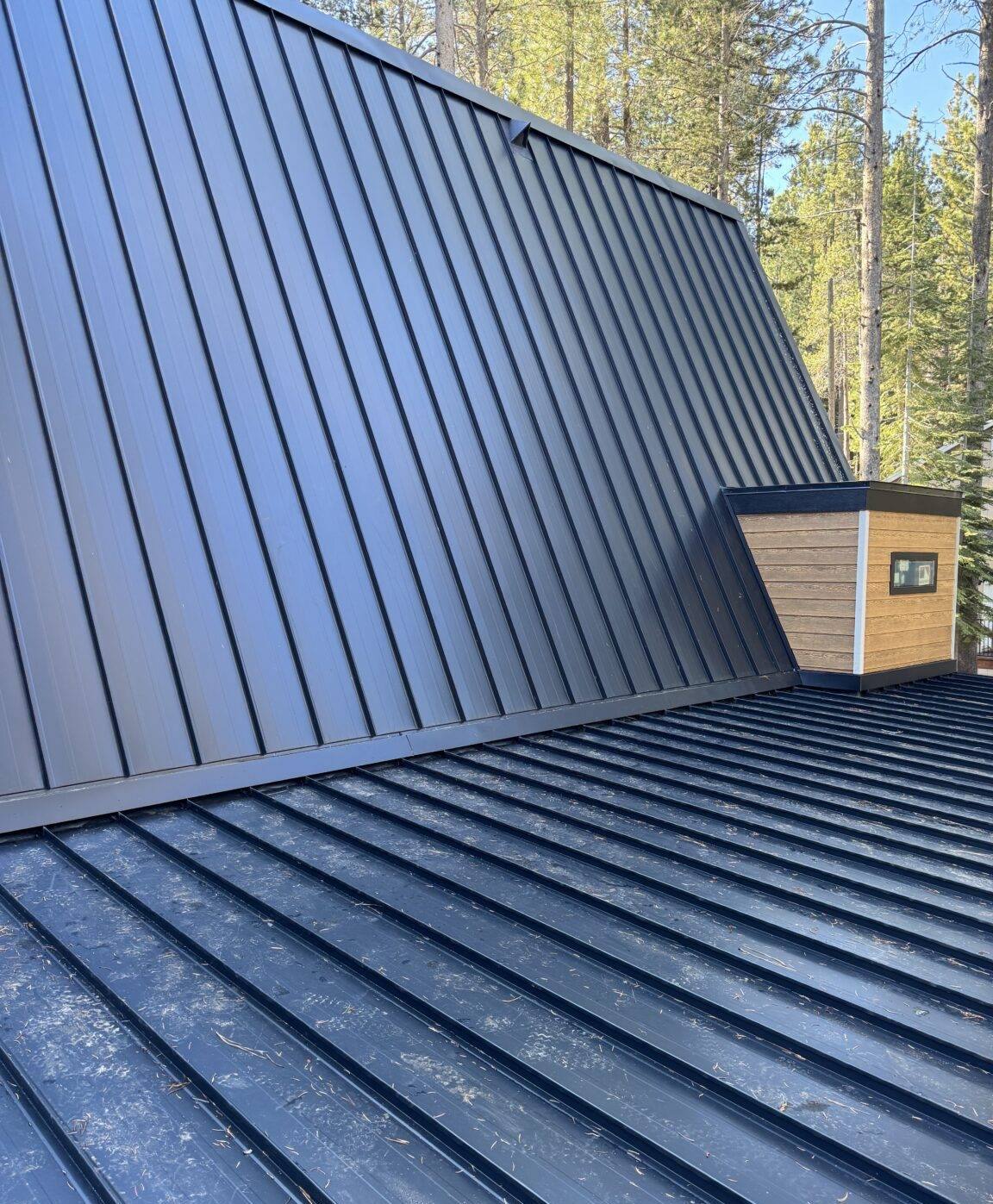
What Salt Air and Marine Exposure Actually Do to a Roof
Salt air is corrosive, full stop. It doesn't take a direct ocean view for it to matter — moisture carried on the wind settles on roofing surfaces, fasteners, and flashing across most of Anacortes, and West Anacortes' proximity to the water means that exposure is higher than it is for homes further inland in Skagit County. Over years, that salt film accelerates corrosion on unprotected metal edges, cut ends, and fastener heads.
This is the main reason metal roofing quality and finish matter more here than in a drier, inland climate. A panel and coating system rated for coastal exposure will shrug off decades of this. A cheaper coating, or bare cut edges left unsealed during install, will show rust streaking and pitting years before they should.
Where Corrosion Shows Up First
- Panel end cuts and ridge trim where the protective coating was cut through during fabrication
- Exposed fastener heads, especially with mismatched or lower-grade screws
- Flashing seams around chimneys, vents, and skylights
- Gutter and eave edges where standing moisture sits longest
Wind-Driven Rain and Why Fastening Detail Matters
Anacortes winter storms don't just drop rain straight down — they push it sideways and upward under eaves and around penetrations. On a roof with poor flashing detail or generic underlayment, that's exactly the setup for slow leaks that show up as stains on an interior ceiling months after the storm that caused them.
Metal roofing handles wind-driven rain well when it's installed with the right underlayment strategy and properly lapped, sealed flashing at every transition — ridges, valleys, wall intersections, and anywhere a vent or chimney breaks the roof plane. The panel itself is rarely the weak point in a metal roof leak. The flashing and underlayment details are.
Moss Season and Roof Design in Shaded Skagit County Lots
Many West Anacortes lots carry mature tree cover, and combined with our damp climate, that means moss and organic debris are a near year-round concern rather than a seasonal one. Moss on an asphalt shingle roof works its way under the shingle tabs and holds moisture against the deck. Metal roofing is inherently more moss-resistant than shingles because there's no porous surface for spores to root into and no shingle tab edges for moss to lift — but it isn't immune, especially in valleys and low-slope sections where debris collects and shade keeps things damp.
Practical Steps That Keep Moss From Being a Problem
- Keep overhanging branches trimmed back so roof surfaces get sun and airflow
- Clear needles and leaf litter from valleys and gutters before fall rains set in
- Choose panel profiles and slopes that shed debris rather than trap it in low spots
- Address any moss growth on adjacent surfaces (fences, decks) before it spreads spores onto the roof
Metal Panel Types: What Fits West Anacortes Homes
Not every metal roofing product is a good match for coastal Skagit County conditions. Here's how the common options compare for this specific environment.
| Panel Type | Coastal/Salt-Air Fit | Notes for This Area |
|---|---|---|
| Standing seam steel | Excellent | Concealed fasteners reduce corrosion points; best long-term option for salt exposure |
| Exposed-fastener steel panels | Good, with maintenance | Lower upfront cost, but fastener heads need periodic inspection and eventual re-sealing |
| Aluminum panels | Excellent | Naturally corrosion-resistant, a strong choice for homes closest to the water |
| Uncoated or light-gauge steel | Poor | We steer homeowners away from this for coastal exposure — coating failure leads to early rust |
For most West Anacortes homes, standing seam steel or aluminum with a marine-grade finish is the right call. The higher material cost pays for itself in reduced maintenance and a longer service life in this specific climate — it's a trade-off worth understanding before you buy, not a sales pitch.
What a Correct Metal Roof Install Actually Involves
A metal roof is only as good as the details underneath it. Here's what we consider non-negotiable on every install:
Deck and Underlayment
We check the roof deck for soft spots, rot, or prior water damage before anything goes down — covering up a bad deck with a new roof just delays the problem. A high-temperature, self-adhering underlayment goes down as a secondary moisture barrier, which matters most at eaves, valleys, and around penetrations where wind-driven rain is most likely to find a way in.
Fastening and Panel Layout
Panel layout accounts for prevailing wind direction and roof slope so laps shed water correctly rather than fighting it. Fasteners are matched to the panel material to avoid galvanic corrosion — mixing incompatible metals is a common shortcut that causes premature rust around fastener points.
Flashing and Penetrations
Every chimney, vent stack, and skylight is a place water wants to get in. Flashing here is formed and sealed to the specific detail, not just caulked over — caulk is a maintenance item, not a waterproofing strategy, and we don't rely on it to do a flashing detail's job.
Ventilation
Proper attic and roof ventilation keeps moisture from condensing under the panels from the inside, which matters as much as keeping rain out from the outside, especially in our humid climate.
Our Process, Start to Finish
- On-site inspection: We look at your current roof condition, deck, ventilation, and any trouble spots specific to your property before quoting anything.
- Honest scope and estimate: You get a clear breakdown of panel type, underlayment, flashing work, and price — no vague allowances.
- Material delivery and site protection: Landscaping, gutters, and adjacent surfaces get protected before work starts.
- Tear-off (if replacing) and deck check: Any deck issues found get flagged and addressed before new roofing goes on.
- Install: Underlayment, panels, and flashing installed to the details above.
- Cleanup and walkthrough: Site cleared of debris and fasteners, and we walk the finished roof with you.
Cost Factors for a West Anacortes Metal Roof
Exact pricing depends on your roof's size, pitch, and complexity, but these are the main factors that move the number:
| Factor | Why It Matters Here |
|---|---|
| Panel material (steel vs. aluminum) | Aluminum costs more upfront but resists salt corrosion without a coating dependency |
| Roof pitch and complexity | Steeper or multi-plane roofs need more flashing detail and labor |
| Number of penetrations | Each chimney, vent, or skylight adds flashing work |
| Deck condition | Rot or soft decking found during tear-off adds repair cost before install can proceed |
| Coating/finish grade | Marine-grade finishes cost more but are worth it for this area's salt exposure |
Maintenance That Actually Extends Roof Life Here
Metal roofing is low-maintenance compared to shingles, but "low" isn't "none," especially with our salt air and moss pressure. A short annual routine catches problems while they're still cheap to fix:
- Clear needles, leaves, and debris from valleys and gutters, especially heading into fall
- Visually check flashing around chimneys and vents for lifted edges or gaps
- Look for any early rust streaking near cut edges or fasteners
- Trim back branches that shade roof sections and keep them damp
- After major windstorms, check for any panel edges or trim that shifted
Why a Crew That Already Works West Anacortes Matters
Roofing details that work fine in a dry inland climate can fall short here. A crew that regularly works West Anacortes and the surrounding Skagit County area already knows which flashing details hold up against wind-driven rain off the water, which panel finishes are worth the extra cost in salt air, and where moss tends to build up on local roof lines. That's not something you get from a general contractor pulling from a national playbook — it's familiarity built from working this specific stretch of coastline repeatedly.
It also means faster response if something does come up after install, since we're not driving in from across the region for a warranty check or a storm-damage look.
Get a Straight Answer on Your Roof
If you're weighing a metal roof for your West Anacortes home, we're happy to take a look and give you an honest read on what your roof actually needs — no pressure, no inflated scope. Fill out the form below to schedule a free estimate.