 Anacortes Exterior
 Roofing on March Point Is Its Own Job
March Point sits right where Fidalgo Bay and Padilla Bay meet the wind, which means homes here take a different kind of beating than a roof ten miles inland. Salt-laden air moves through constantly, storms come in sideways off the water, and the tree cover and shaded northern exposures common in this part of Skagit County keep roof surfaces damp long after a storm has passed. A roof replacement done right for a March Point home isn't the same spec sheet you'd use for a dry, sun-exposed lot in the valley. It has to be chosen and installed with this specific exposure in mind.
We work in this area regularly, and this page walks through what that actually means — what the climate does to a roof out here, what a correct replacement looks like, how we run the job, and why local experience isn't just a nice-to-have on a project like this.
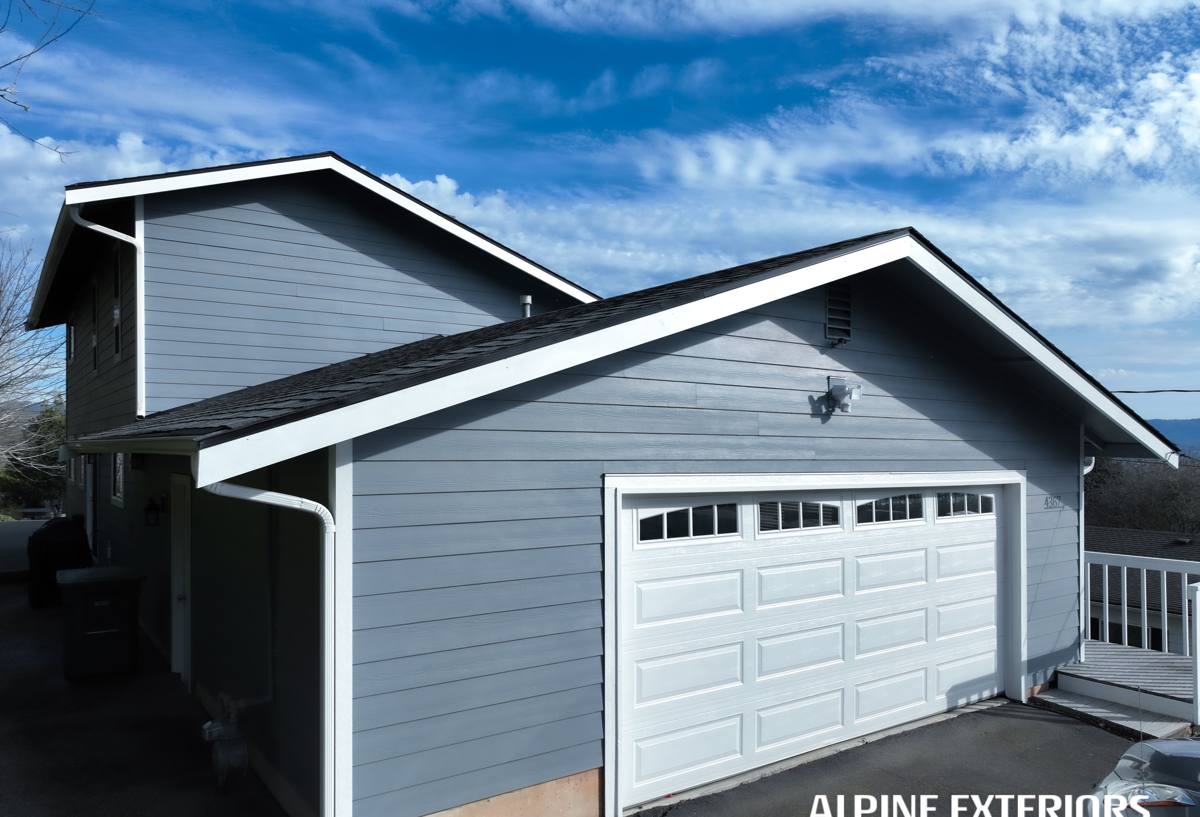
What Salt Air, Driving Rain, and Moss Actually Do to a Roof Here
Salt Air and Metal Components
Salt in the air accelerates corrosion on anything metal on a roof — nail heads, flashing, valleys, vent stacks, and drip edge. Cheaper or improperly rated fasteners and flashing will show rust streaks and pitting years before a roof's shingles are actually worn out. On a March Point job, the fastener and flashing spec matters as much as the shingle brand.
Wind-Driven Rain
Storms coming off the water tend to push rain sideways rather than straight down, which drives water up under shingle tabs, into valleys, and around penetrations that would stay dry in a calmer, more sheltered location. This is a wind and water-intrusion problem, not just a "how many inches of rain" problem, and it changes how underlayment, valleys, and flashing details get built.
Moss, Algae, and a Long Damp Season
Shade, moisture, and cooler temperatures for much of the year add up to a long moss and algae season. Moss isn't just cosmetic — it holds moisture against the roof surface, lifts shingle edges as it grows, and works its way into fastener lines over time. A roof that isn't detailed and maintained with moss growth in mind will age faster here than the exact same product installed in a drier climate.
Signs a March Point Roof Needs Replacement, Not Another Repair
- Granule loss showing up in gutters or at downspout discharge points
- Shingles that are cupping, curling, or cracking, especially on north-facing or shaded slopes
- Moss or algae staining that keeps coming back within a season or two of cleaning
- Soft spots, sagging, or visible daylight at the roof deck from the attic
- Repeated leaks around the same valley, chimney, or vent penetration
- Rusted or deteriorating flashing, especially at valleys and roof-to-wall transitions
- A roof nearing or past its material's expected service life for this climate, even if it "looks okay" from the ground
One or two of these can often be handled with a targeted repair. Several at once, or a roof already past the age where repairs make financial sense, usually points to replacement being the more honest recommendation.
What a Correct Roof Replacement Involves in This Climate
A roof built for March Point's exposure isn't a different roof shape — it's a different set of underlayment, flashing, and fastening choices layered under whatever finish material you choose.
Deck Inspection First
Every tear-off starts with the deck exposed. Any soft, delaminated, or water-stained sheathing gets replaced before anything new goes down — covering a compromised deck with new roofing just hides the problem for the next owner to find.
Water and Ice Protection at Vulnerable Areas
Self-adhered waterproof membrane at valleys, eaves, and around penetrations gives the roof a second line of defense where wind-driven rain is most likely to find a way in — these are the spots that fail first when a roof wasn't detailed for this kind of weather.
Flashing Built for Salt Air
Corrosion-resistant flashing and fasteners at valleys, chimneys, skylights, and wall transitions, installed with proper laps and sealant rather than relying on caulk alone to do the work over time.
Ventilation That Actually Moves Air
Balanced intake and exhaust ventilation keeps the attic dry and temperature-stable, which matters for both moisture control and getting full service life out of the shingles or metal above it. Poor ventilation is one of the more common reasons a roof underperforms its rated lifespan out here.
A Finish Material Matched to the Site
Sun exposure, tree cover, roof pitch, and how visible algae staining will be all factor into what we recommend — not just what's currently popular.
Comparing Roofing Options for a March Point Home
| Material | How It Handles Salt Air & Moisture | Moss Resistance | Typical Service Life | Maintenance Reality |
|---|---|---|---|---|
| Architectural asphalt shingle (algae-resistant) | Good, with corrosion-rated flashing and fasteners | Improved with copper/zinc granule blends, not immune | 25–30 years, climate-dependent | Periodic soft-wash cleaning recommended |
| Standard 3-tab asphalt shingle | Adequate short-term, ages faster in salt air | Low resistance, stains and holds moss sooner | 15–20 years in this climate | More frequent cleaning and earlier repairs |
| Standing seam metal | Excellent when properly coated and detailed | Very good — moss struggles to hold on smooth metal | 40–50+ years | Low, but higher upfront cost |
| Cedar shake | Requires diligent maintenance in damp, salty air | Poor without regular treatment | Varies widely with upkeep | High — not our default recommendation for this exposure |
We'll walk through these trade-offs against your roof's actual shade, pitch, and budget rather than pushing one product line. There isn't a single "right" material for every March Point roof — there's a right material for your specific site conditions.
Our Process for a March Point Roof Replacement
- On-site assessment — we look at the deck, ventilation, flashing, and how wind and shade actually hit your specific roof, not just a drive-by estimate.
- Written scope and material recommendation — clear about what's being replaced, what underlayment and flashing spec is used, and why.
- Tear-off and deck repair — old material removed, deck inspected and repaired as needed before anything new is installed.
- Underlayment, flashing, and ventilation installed to spec — the part of the job that determines how the roof performs in this climate long after installation day.
- Finish material installation — installed to manufacturer specification so warranty coverage stays intact.
- Final walkthrough and cleanup — site cleared of debris and nails, and we go over the finished roof with you before we consider the job done.
Why Hiring a Crew That Already Works March Point Matters
A crew that's replaced roofs in this specific area already knows which slopes hold moss the longest, how far wind-driven rain tends to travel up a roof plane near the water, and which flashing and fastener choices hold up versus which ones show corrosion within a few years. That's not something you get from a general contractor working a job here for the first time. It also means realistic scheduling — knowing when weather windows in this area are workable for a tear-off versus when it's smarter to wait a few days, so your home isn't left exposed.
Local experience also shows up in the smaller decisions: how tight to lap flashing given the wind direction here, which ventilation approach actually keeps moisture out of a shaded attic, and where past roofs in the area have failed first. Those details come from doing the work here repeatedly, not from a manufacturer's install manual alone.
After the Roof Goes On: Keeping Moss and Salt Air From Winning
- Keep gutters and valleys clear so water and debris don't sit against the roof surface
- Have moss and algae growth addressed with a proper soft-wash before it establishes and lifts shingle edges
- Trim back overhanging branches where practical to reduce shade and debris buildup
- Have flashing and fasteners checked periodically for early corrosion, especially in the first few years
- Address any small leak or staining early — in this climate, small issues don't stay small for long
A correctly installed roof still benefits from a little attention given the conditions out here. Skipping maintenance is one of the most common reasons a otherwise well-built roof underperforms its expected lifespan in Skagit County's coastal microclimates.
Get a Straight Answer on Your Roof
If you're weighing repair versus replacement on a March Point home, or just want an honest read on how much life is left in your current roof, we're glad to take a look. Fill out the form below for a free, no-pressure estimate — we'll tell you what we actually see, not just what sells the biggest job.