 Anacortes Exterior
 What March Point's Climate Does to Siding
March Point sits close to the water, on a peninsula that catches wind and salt spray coming off Fidalgo Bay and the surrounding tidelands. That combination of marine air, sustained rain, and shaded pockets under tree cover creates a harder environment for exterior siding than most inland Skagit County neighborhoods see. Salt-laden air accelerates corrosion on fasteners and trim, driving rain finds its way into any gap in flashing or caulk, and the long stretch of wet, low-light months from fall through spring is exactly the kind of environment moss and algae thrive in.
Siding in this setting isn't just a cosmetic layer — it's the thing standing between that weather and the framing underneath. When it's installed loosely, or with the wrong materials, water intrusion and moss buildup show up faster here than they would on a drier, more sheltered lot. That's the starting point for every siding decision we make on a March Point home.
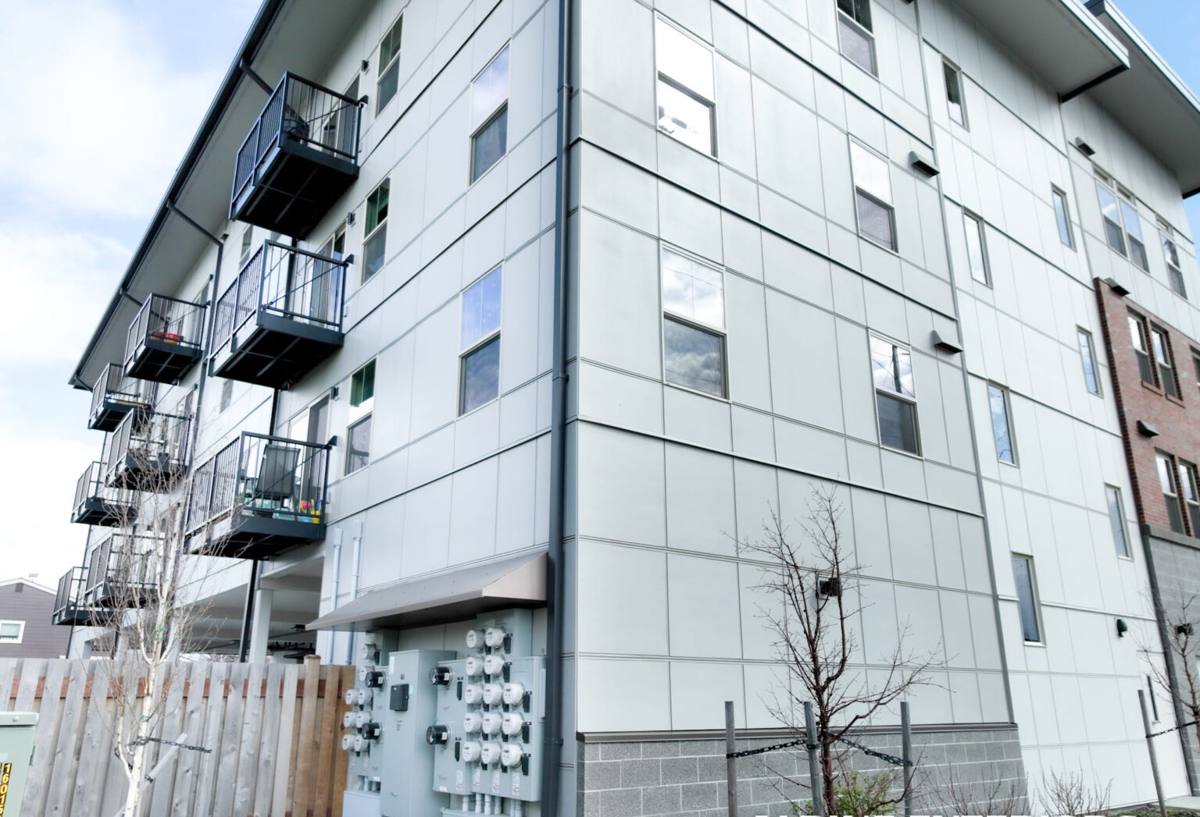
Why Fiber Cement Fits This Environment
Wood-based sidings — cedar, primed spruce, engineered wood products — all share one vulnerability: they're organic material, and organic material in a wet, salty, low-sun environment is what moss, algae, and rot are built to break down. Even well-maintained wood siding needs more frequent repainting and closer inspection in a spot like March Point, because the climate is actively working against it every month of the year.
Fiber cement is cement, sand, and cellulose fiber pressed and cured into a rigid board. It doesn't absorb water the way wood does, it won't feed rot fungus, and it's non-combustible. That doesn't mean it's maintenance-free — no siding is — but it changes what maintenance looks like: instead of re-caulking and repainting failure points every few years, you're mostly just washing off surface growth and checking caulk lines. In a climate that punishes organic materials, that's a meaningful difference over the life of the siding.
Salt Air Specifically
Salt air is hardest on metal — fasteners, flashing, trim edges — and on any coating that's thin or inconsistently applied. Fiber cement's factory-applied finish holds up more evenly than field-applied paint, and pairing it with corrosion-resistant fasteners and properly lapped flashing addresses the parts of the assembly that salt air actually attacks.
The Hardie Product Line We Install in Skagit County
We install James Hardie fiber cement exclusively — no vinyl, no LP SmartSide, no Cemplank or Allura, no primed wood siding. That's a deliberate standard, not a default. Hardie engineers its HardieZone products by climate region, and Western Washington, including Anacortes and March Point, falls into the HZ5 zone: a formulation built around moisture exposure rather than extreme heat or humidity swings. That's the product line we use here.
| Product | What It's For | Why It Fits March Point |
|---|---|---|
| HardiePlank HZ5 lap siding | Primary wall cladding | Formulated for wet, moisture-heavy climates rather than freeze-thaw or extreme heat regions |
| HardieTrim | Corner boards, window and door trim | Resists the swelling and rot that wood trim shows first in damp conditions |
| HardiePanel | Vertical siding, accent sections | Rigid panel that holds a clean line even with seasonal wood movement around it |
| ColorPlus finish | Factory-applied color coat | More consistent, better-adhered finish than field-applied paint over time in salt air |
ColorPlus finish matters more here than in a drier climate. A factory-cured finish adheres more evenly across the board than paint applied on site, which means fewer early failure points for salt air and moisture to exploit at the coating level.
What a Correct Installation Involves
Fiber cement performs the way it's designed to only when it's installed to spec. In a climate like March Point's, the installation details matter more than they would somewhere drier, because there's less margin for water to sit and dry out before it causes a problem.
- Proper clearance between siding and grade, decks, and roof lines — Hardie specifies minimum gaps, and closing them up invites wicking moisture
- Correctly lapped, sealed flashing at every window, door, and penetration, installed before siding goes on, not caulked over after
- Rain screen or drainage plane behind the siding so incidental moisture has somewhere to go instead of sitting against the sheathing
- Corrosion-resistant fasteners driven to the manufacturer's depth and spacing — overdriven nails crack the board and underdriven ones work loose in wind
- Factory-cut and factory-primed edges kept intact wherever possible, with any field cuts sealed per Hardie's application instructions
- Caulk used only where Hardie's install guide calls for it, not as a substitute for proper flashing
Skip any one of these and you can still end up with moisture problems behind Hardie siding — the product isn't a substitute for the assembly being right. This is where a lot of the difference between a siding job that lasts and one that doesn't actually comes from.
Our Process for March Point Homes
We start with a walk-around assessment of the existing siding and the specific exposures on that lot — which walls take the most wind-driven rain, where shade holds moisture longest, whether existing trim or flashing needs replacing along with the siding. From there we scope the tear-off, confirm what's underneath (sheathing condition matters, especially on older homes), and plan the drainage plane and flashing details before the first board goes up.
Installation follows Hardie's published fastening and clearance specs, not shortcuts — that's true on every job regardless of budget, because it's the only way the warranty and the performance both hold up. We finish with a final walk-through covering caulk lines, trim, and any touch-up needs, and we're straightforward about what maintenance to expect going forward given the site's specific exposure.
Fiber Cement vs Other Siding Options for This Site
Homeowners in March Point often ask how fiber cement stacks up against vinyl or wood specifically for a marine, high-moss environment. Here's the honest comparison:
| Factor | Fiber Cement (Hardie) | Vinyl | Cedar / Primed Wood |
|---|---|---|---|
| Moisture resistance | High — doesn't absorb or rot | Won't rot, but can warp and gap, letting water behind it | Absorbs moisture; needs consistent sealing/paint upkeep |
| Moss and algae resistance | Doesn't feed growth; surface cleans off | Growth sits on surface, can trap moisture at seams | Organic surface actively feeds moss and algae |
| Fire resistance | Non-combustible | Melts/deforms under heat exposure | Combustible |
| Finish longevity | Factory ColorPlus finish, long service life | Color molded in, can fade and chalk | Needs repainting every few years |
| Typical maintenance | Periodic wash, caulk check | Occasional wash | Regular repainting/sealing, rot inspection |
Vinyl holds up reasonably well against moisture itself but tends to gap and rattle in sustained wind, and any water that gets behind it at a seam has nowhere to go. Cedar and primed wood are the products under the most direct pressure from this climate — they're the ones that need the closest attention and the shortest maintenance intervals here. Fiber cement isn't the cheapest option up front, but in a location where organic materials are working against the climate every month, it's the material that asks the least of a homeowner over time.
Maintenance Through Moss Season and Salt Air
Fiber cement lowers the maintenance burden, but it doesn't eliminate it. In March Point specifically, the two things worth staying on top of are surface growth during the wet months and the condition of caulk and trim joints where salt air and moisture concentrate.
- Rinse siding periodically during the wet season to keep moss and algae from taking hold on north-facing or shaded walls
- Avoid high-pressure washing directly at seams and caulk lines — a garden hose or low-pressure setting is enough
- Check caulk at window and door trim annually; salt air and UV both break down sealant faster than in a drier climate
- Keep gutters clear so overflow doesn't run down the siding face repeatedly in the same spot
- Trim back vegetation that shades siding and keeps it from drying out between rains
Why Local Experience in March Point Matters
Anacortes and the surrounding Skagit County shoreline aren't uniform — a wall facing open water takes different punishment than one tucked behind a hill or a stand of trees, and a crew that's worked March Point specifically knows where those differences show up on a given lot before the tear-off even starts. That means correctly reading which walls need the most attention to flashing and drainage, recognizing early moisture damage in older siding and sheathing, and installing to a spec that actually holds up to this specific mix of salt air, rain, and shade — not a generic installation approach transplanted from a drier region.
If you're weighing a siding replacement or repair on a March Point home, we're happy to take a look and give you a straightforward, no-pressure estimate — including what we'd expect that particular site to need long-term, based on its exposure. There's a form below to get started.