 Anacortes Exterior
 Flounder Bay Roofs Take a Different Kind of Beating
Flounder Bay sits close enough to the water that salt-laden air is part of daily life for the roofs there, not just the boats in the marina. Add in Skagit County's steady winter rain, the wind that comes off the water sideways instead of straight down, and the heavy tree cover that shades much of Fidalgo Island, and you get a roofing environment that's noticeably tougher than what a roof faces further inland. A roof that would last 25 years in a dry, sunny climate can show real problems well before that out here if it wasn't built for these conditions in the first place.
This page is specifically about full roof replacement for homes in and around Flounder Bay. Not a general overview of roofing — the actual decisions that matter when the roof over a Flounder Bay home has reached the point where repair no longer makes sense.
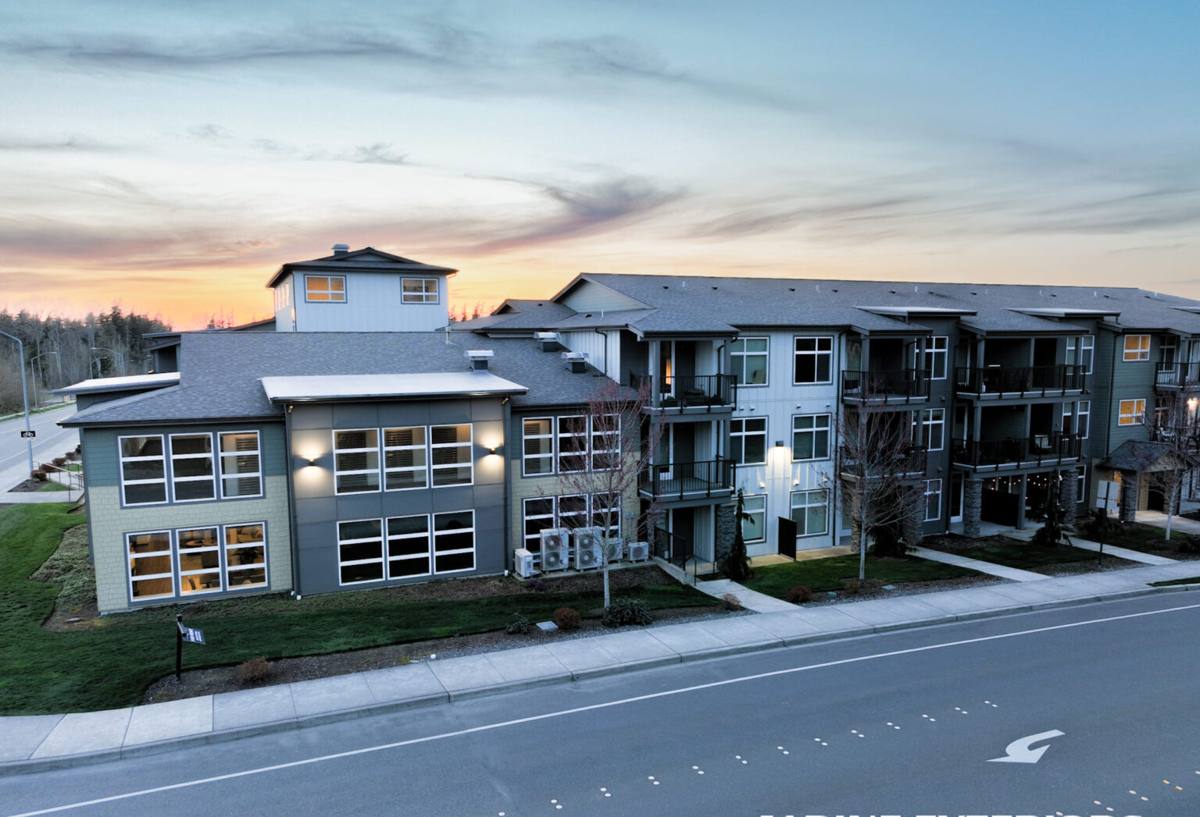
Why Salt Air, Rain, and Moss Matter More Here Than the Roofing Material Alone
Salt Air and Metal Components
Salt air accelerates corrosion on anything metal — nails, flashing, roof vents, gutter hangers. A roofing system that uses standard fasteners and flashing in a coastal setting like Flounder Bay tends to show rust streaks and weakened fastener holds years before an identical roof would inland. This isn't a defect in the shingle or metal panel itself; it's a mismatch between the hardware chosen and the environment it's installed in.
Driving, Wind-Driven Rain
Rain that comes in at an angle, pushed by wind off the water, finds every weak seam, gap, and under-lapped edge a standard installation might leave. Roofs here need more attention paid to underlayment coverage, valley protection, and flashing details than roofs in calmer, drier parts of the state — because the rain isn't just falling on the roof, it's being driven into it.
Moss and Algae Season
Anacortes' tree cover and marine humidity give moss and algae a long growing season on north-facing and shaded roof slopes. Left unchecked, moss lifts shingle edges, holds moisture against the roof deck, and shortens the life of the roofing material significantly. Most of the "premature" roof failures we see in this area trace back to moss and trapped moisture more than to age alone.
Signs a Flounder Bay Roof Needs Replacement, Not Another Repair
Repair makes sense for isolated damage — a cracked flashing seal, a handful of blown-off shingles after a windstorm. Replacement becomes the right call when the damage is systemic: the underlying material has aged out, or moisture has been getting into the deck for long enough that patching one spot just means another spot fails next season. Here's what tends to signal it's time for a full replacement rather than another round of patching:
- Granule loss heavy enough that you can see bare, shiny patches on multiple shingles, not just one or two
- Moss or algae growth that keeps returning within a season or two of cleaning, especially on shaded slopes
- Soft spots or sagging when walked on, which usually means the deck underneath has taken on moisture
- Rusted, lifted, or missing flashing around chimneys, skylights, and roof-wall intersections
- Interior water stains on ceilings or in the attic that show up during or after wind-driven storms
- A roof that's approaching or past the expected lifespan of its material, especially if it was never upgraded for coastal conditions
- Multiple past repairs in different areas within the last few years, rather than one recurring trouble spot
What a Correct Roof Replacement Actually Involves
Tear-Off and Deck Inspection
A proper replacement starts with removing the existing roofing down to the deck — not layering new material over old. That's the only way to actually see the condition of the sheathing underneath. Any deck sections that are soft, delaminated, or water-damaged get replaced before anything new goes down. Skipping this step is the single most common reason a "new" roof fails early.
Underlayment and Moisture Protection
Given how much wind-driven rain this area sees, underlayment coverage matters more here than in drier climates. Self-adhering waterproof membrane belongs at the eaves, in valleys, around penetrations, and at roof-to-wall transitions — the places wind-driven rain is most likely to find a way in. A synthetic underlayment across the rest of the field adds a second line of defense under the primary roofing material.
Flashing Done Right
Flashing is where most roof leaks actually originate, not the field of the roof itself. Step flashing at wall intersections, proper counter-flashing at chimneys, and correctly lapped valley flashing all need to be installed in the right sequence with the underlayment — not caulked over as an afterthought. In a salt-air environment, the flashing material and fasteners need to be corrosion-resistant, or that detail work fails early regardless of how well it was installed.
Ventilation
A roof deck that can't breathe traps moisture underneath the roofing material, which speeds up rot and gives moss another reason to take hold. Balanced intake and exhaust ventilation — enough intake at the eaves to match the exhaust at the ridge — is part of a correct replacement, not an optional upgrade.
Fasteners and Hardware
In a coastal setting like Flounder Bay, we specify corrosion-resistant fasteners and flashing hardware as standard practice, not an upsell. Standard galvanized fasteners can start showing surface rust within a few years this close to salt air; the cost difference to use hardware built for the environment is small relative to the cost of the whole roof.
Choosing a Roofing Material for This Climate
There's no single "best" roofing material for every home — it depends on the roof's pitch, the home's style, the budget, and how much shade the roof sits under. What matters is choosing with the local climate in mind rather than defaulting to whatever's cheapest up front. Here's how the common options compare for a Flounder Bay home specifically:
| Material | Moss/Algae Resistance | Salt Air Durability | Typical Lifespan | Relative Upfront Cost |
|---|---|---|---|---|
| Standard asphalt shingle | Low — no built-in resistance | Fair, depends on fastener/flashing choice | 15–20 years in this climate | Lowest |
| Algae-resistant (AR) architectural shingle | Good — copper/zinc granules deter growth | Good with corrosion-resistant hardware | 25–30 years | Moderate |
| Standing seam metal | Very good — sheds moisture, little foothold for moss | Very good with marine-grade coatings and fasteners | 40+ years | Highest |
For most Flounder Bay homes, we steer clients toward algae-resistant architectural shingles or metal, depending on budget and roof design — not because standard shingles are a bad product, but because they're a worse match for this specific combination of moss pressure and salt exposure. That's a climate call, not a brand preference, and we'll walk through the honest trade-offs for your roof rather than push whatever has the best margin.
Our Replacement Process
The process is the same on every job because skipping steps is where problems start:
- On-site inspection and honest assessment of whether repair or replacement is the right call
- Written estimate covering material, labor, tear-off, disposal, and any deck repair contingencies
- Permitting handled on our end where required
- Tear-off to the deck, with photos of any deck damage found before repair
- Underlayment, flashing, and ventilation installed to the standard the climate requires
- Roofing material installed per manufacturer specification, which also protects your warranty
- Full site cleanup, including a magnetic sweep for stray nails
- Final walkthrough so you can see the finished work before we consider the job done
What Drives the Cost of a Roof Replacement Here
Every roof is priced individually, but the factors that move the number up or down are consistent. Rather than quote a number that won't mean much without seeing your roof, here's what actually drives cost:
| Factor | Why It Matters |
|---|---|
| Roof size and complexity | More squares, valleys, and roof planes mean more material and labor time |
| Roof pitch and access | Steep or hard-to-access roofs take longer and require more safety setup |
| Number of existing layers | Tear-off of multiple old layers costs more than a single layer |
| Deck condition | Rot or soft sheathing found during tear-off adds repair cost — we flag this before proceeding, not after |
| Material choice | Standard shingle, algae-resistant shingle, and metal all sit at different price points, as shown above |
| Ventilation and flashing upgrades | Bringing an older roof's ventilation up to a correct standard adds some cost but protects the whole system |
We'd rather walk your roof and give you real numbers than throw out a broad range that doesn't reflect your actual home.
Why It Matters That We Already Work in Flounder Bay
A roofing crew that's replaced roofs elsewhere in Washington but hasn't spent much time on Fidalgo Island's marine side will often default to standard specs — the fasteners, underlayment coverage, and material choices that work fine sixty miles inland but underperform here. A crew that already works Flounder Bay knows to spec corrosion-resistant hardware without being asked, knows which slopes in the area tend to hold moss longest, and knows how the wind off the bay behaves during a winter storm. That local familiarity shows up in the small decisions — how much underlayment coverage to use, where the moss pressure will be worst on your specific roof — that a generic spec sheet won't catch.
It also matters for logistics. Anacortes and the surrounding Skagit County area have their own permitting processes and seasonal weather windows for roofing work. A crew that's used to scheduling around this area's rain patterns plans tear-off days more realistically, which matters when your roof deck is exposed to the weather during the job.
Keeping a New Roof Performing After Installation
Moss Prevention
A new roof isn't maintenance-free in this climate, but the maintenance is manageable. Zinc or copper strips near the ridge help suppress moss regrowth over time as rain washes trace metal down the roof slope. Keeping overhanging branches trimmed back reduces both shade and the organic debris that gives moss something to root in.
Gutters and Drainage
Clogged gutters back water up under the roof edge, which is exactly the kind of trapped moisture that leads to rot and moss regardless of how well the roof itself was installed. A seasonal gutter cleaning, especially heading into the wetter months, protects the investment you just made in the roof above it.
Periodic Inspection
A quick visual check after major windstorms — looking for lifted shingles, displaced flashing, or debris buildup in valleys — catches small issues before they become water intrusion. We're happy to do a courtesy check after a bad storm for roofs we've installed.
If your Flounder Bay roof is showing its age or you're just not sure whether repair or replacement is the right move, we're glad to come take a look. The estimate is free, there's no pressure, and you'll get a straight answer about what your roof actually needs — use the form below to get started.