 Anacortes Exterior
 Fidalgo Island Puts Siding Through More Than Most Homes Ever See
Fidalgo Island sits right where Skagit County meets the water, and that location is exactly why siding here wears out faster than it does twenty minutes inland. Homes on and around the island take on a steady diet of salt-laden air, wind-driven rain that hits walls sideways instead of straight down, and long stretches of gray, damp weather that keep siding surfaces wet for days at a time. Add in the shade from mature evergreens on many lots, and you get a climate that's genuinely tougher on exterior materials than the marketing brochures for most siding products ever account for.
We work on homes across Anacortes and the surrounding island communities regularly, and the pattern is consistent: siding that would hold up fine in a drier, more sheltered part of the county fails early here. Not because the homeowners did anything wrong, but because the product or the installation wasn't matched to what this specific location demands.
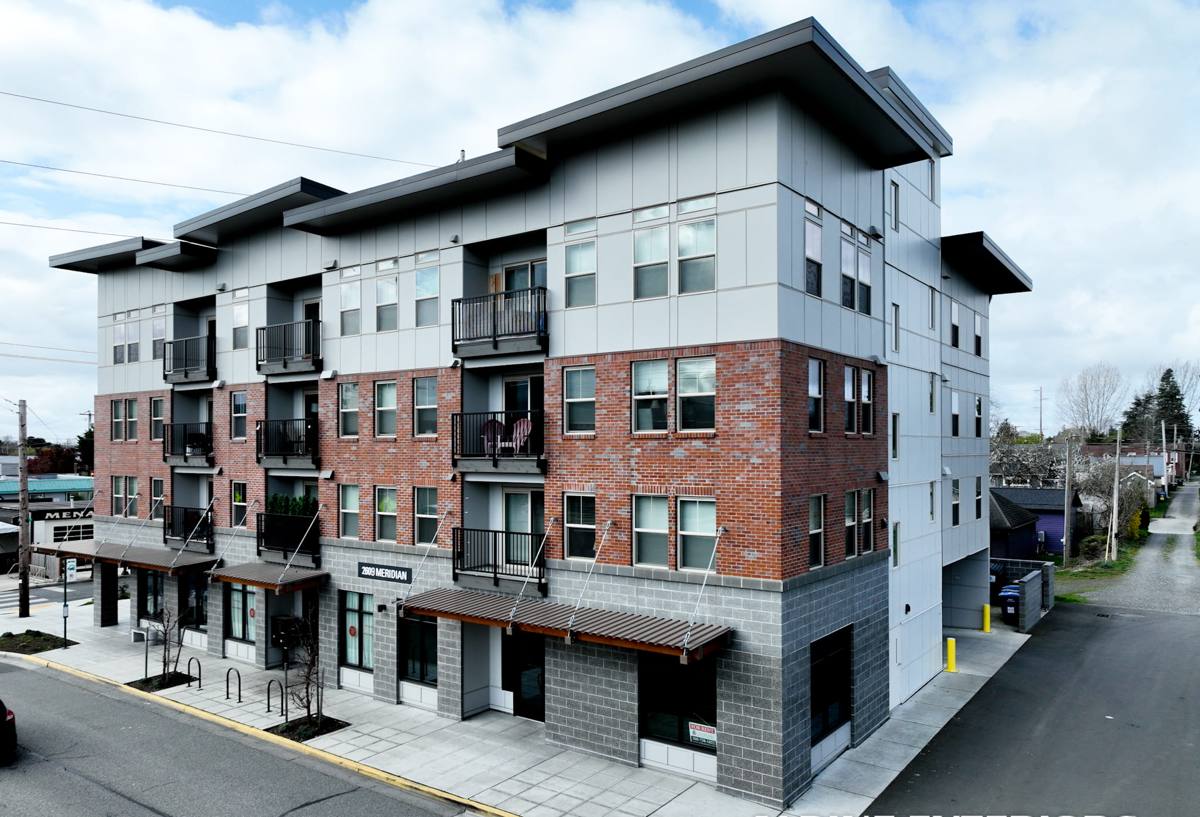
What Salt Air, Rain, and Moss Actually Do to Siding
Each of these three factors attacks siding in a different way, and understanding the mechanism helps explain why some materials and some installation shortcuts fail here specifically.
Salt Air
Airborne salt is corrosive to metal fasteners, flashing, and trim, and it accelerates the breakdown of finishes that aren't formulated to resist it. Paint applied on-site, especially over the years as it thins and chalks, loses its ability to shed salt residue, which then sits against the substrate and speeds up deterioration.
Driving Rain
Wind off the water doesn't let rain run harmlessly down a wall — it drives moisture sideways and up under laps, trim edges, and butt joints. Siding systems and installation details that rely on gravity alone to shed water aren't built for that kind of exposure. Correct lap spacing, properly sized gaps at trim, and quality flashing at every horizontal transition matter far more here than on a sheltered inland lot.
Moss and Prolonged Dampness
Anacortes' moss season isn't a minor cosmetic issue. Moss and algae hold moisture directly against the siding surface for extended periods, which is exactly the condition that causes wood-based and wood-fiber products to swell, delaminate, or rot from the inside out. On shaded, north-facing, or tree-covered walls — common on Fidalgo Island lots — this cycle can run nearly year-round.
Signs Your Fidalgo Island Home Needs Siding Replacement
Repair makes sense for isolated damage. Replacement is the right call when the problems below show up in multiple places or keep coming back after patching.
- Soft, spongy spots when you press on the siding, especially near the bottom courses or below windows
- Visible buckling, warping, or boards that no longer sit flat against the wall
- Paint that's failing repeatedly in the same spots within a couple of years of repainting
- Persistent moss or dark staining that returns quickly after cleaning
- Gaps opening up at trim, corners, or butt joints
- Visible cracking along the face of lap boards, particularly after freeze-thaw cycles
- A musty smell or interior wall staining that suggests moisture is getting past the siding
Why We Only Install James Hardie Fiber Cement
We get asked regularly why we don't offer vinyl, LP SmartSide, or other fiber cement brands like Cemplank or Allura. It's a fair question, and the honest answer is that we made a standardization decision based on what holds up in this exact climate, not based on any one product being universally "bad."
Vinyl siding is affordable and low-maintenance in the sense that it doesn't need repainting, but it's a poor match for a coastal wind environment — it can distort in heat, crack in cold, and its lap-over-lap design isn't built to resist the kind of wind-driven, sideways rain that's routine here. LP SmartSide and other wood-strand products use engineered wood technology that's genuinely improved over older OSB siding, but any wood-based product depends heavily on flawless caulking, painting, and edge-sealing to keep moisture out — and in a climate with this much sustained dampness and moss pressure, that maintenance margin is thin. A missed caulk line or a homeowner who falls a year behind on repainting can turn into a moisture problem that's expensive to fix.
James Hardie fiber cement solves the core issue directly: it's non-combustible, it doesn't swell or rot when it gets wet, and it holds its shape in the salt air and temperature swings this area sees. The factory-applied ColorPlus finish is baked on under controlled conditions, which gives it far better fade and chip resistance than field-applied paint — and it comes with its own finish warranty separate from the substrate warranty. For a location where the weather is actively working against ordinary siding, that combination is why we standardized on it rather than mixing products across jobs.
James Hardie vs. Common Alternatives on the Island
| Factor | Vinyl | Wood/LP SmartSide | James Hardie Fiber Cement |
|---|---|---|---|
| Wind-driven rain resistance | Weak at laps and seams | Depends on sealant/paint integrity | Strong when installed to spec |
| Moisture/rot risk | Low rot risk, but can trap moisture behind it | Higher — wood-based core can swell | Very low — cement-based, doesn't rot |
| Finish durability | Can fade, chalk, warp in heat | Requires ongoing repainting | Factory ColorPlus finish, longer fade resistance |
| Fire resistance | Melts/deforms | Combustible | Non-combustible |
| Maintenance | Low, but hard to repair invisibly | Regular caulk/paint upkeep | Low — mainly periodic washing and repaint over time |
What a Correct Siding Replacement Actually Involves
Swapping old siding for new isn't just a cosmetic job, and in a marine climate the details underneath the surface matter more than the siding itself.
Tear-Off and Inspection
Full removal of the existing siding lets us actually see the wall assembly — sheathing, framing, and any hidden moisture or rot damage that's been building behind the old material for years. This step also catches problems that a simple re-side over existing siding would just seal in.
Water-Resistive Barrier and Flashing
A correctly lapped weather-resistive barrier, combined with proper flashing at windows, doors, and every horizontal trim transition, is what actually keeps wind-driven rain out of the wall assembly. This is the part of the job that's invisible once the siding goes up, and it's also the part most likely to be rushed on a low-bid job.
Fastening and Clearances
James Hardie specifies exact nailing patterns, gaps, and ground clearances for a reason — get them wrong and you undercut the product's warranty and its real-world performance. Corrosion-resistant fasteners matter here specifically because of the salt air.
Caulking and Sealant Details
Even with a low-maintenance product like fiber cement, the sealant used at joints and trim needs to be a quality, flexible product rated for this kind of exposure — not a generic caulk that will crack and open a gap within a couple of seasons.
Our Process for Fidalgo Island Jobs
We run every siding replacement through the same sequence, adjusted for the specific exposure of the lot — a waterfront-facing wall gets more attention to flashing detail than a sheltered interior wall on the same house.
- On-site assessment of existing siding, wall condition, and the home's specific wind and moisture exposure
- Written estimate covering material, labor, and any sheathing or framing repair contingencies
- Full tear-off and inspection of the wall assembly before anything new goes up
- Repair of any damaged sheathing or framing found during tear-off
- Installation of water-resistive barrier, flashing, and James Hardie siding to manufacturer spec
- Final walkthrough and cleanup
What Drives the Cost of a Fidalgo Island Siding Job
Every home is different, but the estimate on a siding replacement here is generally shaped by a handful of factors more than by square footage alone.
| Cost Factor | Why It Matters |
|---|---|
| Existing wall condition | Hidden rot or sheathing damage found at tear-off adds repair scope before new siding goes up |
| Siding profile chosen | Lap, shingle, and panel styles differ in material and labor time |
| Home height and access | Multi-story or steep-lot homes require more scaffolding and setup time |
| Trim and detail work | Corner boards, window trim, and accent details add labor |
| Exposure level | Waterfront-facing walls often warrant extra flashing and sealant attention |
| Color and finish | Factory ColorPlus finishes vs. field painting affect material cost and long-term upkeep |
Why Local, Fidalgo Island-Specific Experience Matters
Siding installation guidelines are written for a range of climates, but the crew doing the work needs to understand which details actually matter for this location. A contractor who works Skagit County's coastal edge regularly knows which walls on a given lot take the worst of the weather, where moss buildup tends to concentrate, and which flashing details are worth the extra time versus which are overkill on a sheltered wall. That judgment comes from doing the work here repeatedly, not from a general contracting background applied to whatever job comes next. It's also why we standardized on one product system we trust rather than juggling multiple siding lines and installation standards across jobs.
If your Fidalgo Island home's siding is showing its age — or you're just trying to plan ahead before it becomes a bigger problem — we're happy to take a look and walk you through what we're seeing, no pressure and no obligation. Use the form below to request a free estimate.