 Anacortes Exterior
 West Anacortes Decks Face a Different Set of Problems
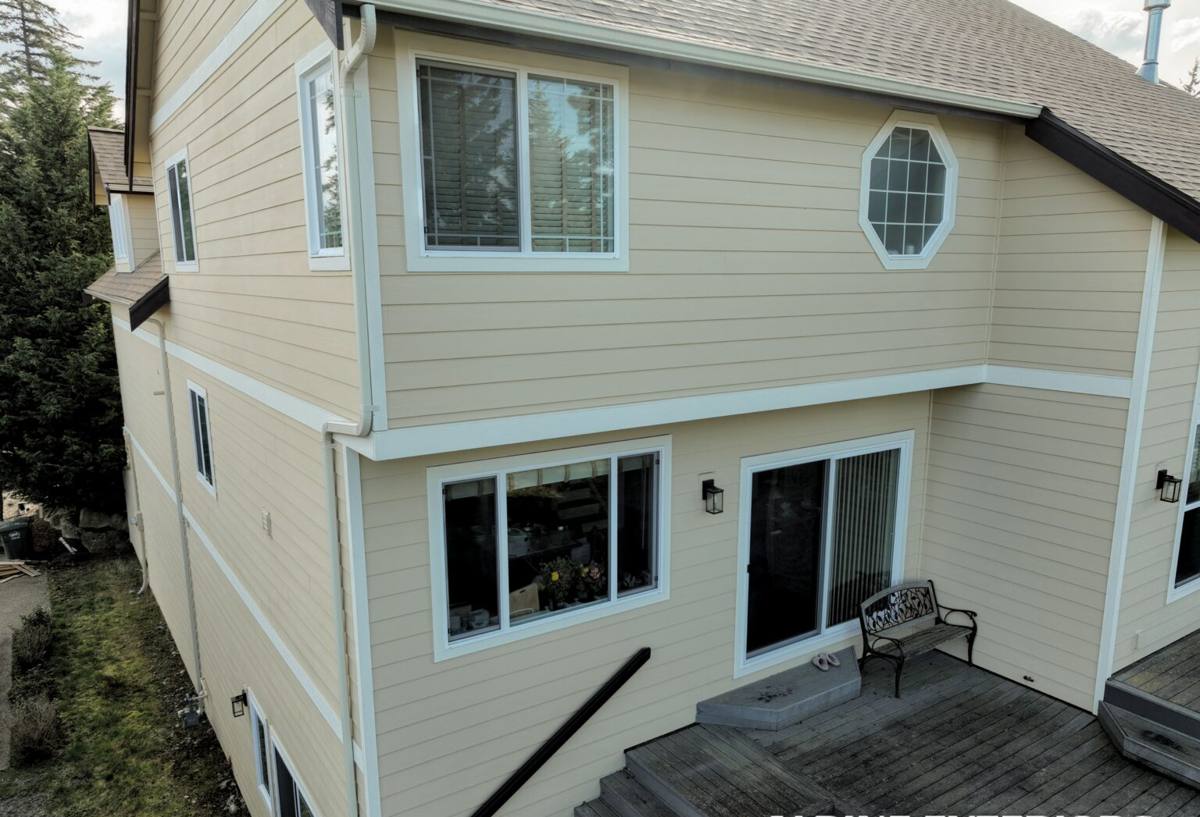
A deck in West Anacortes doesn't age the same way a deck fifty miles inland does. Anacortes sits on Fidalgo Island, surrounded by saltwater, and that proximity changes what a deck goes through year after year. Salt-laden air accelerates corrosion on anything metal. Wind-driven rain off the water finds its way into joints and seams that would stay dry in a more sheltered spot. And the long stretch of gray, wet months here in Skagit County keeps moss and algae growing on shaded boards for much longer than homeowners expect. None of this means a West Anacortes deck is doomed — it means it needs to be built and repaired with those conditions in mind, not treated like a generic backyard project.
When we get called out to look at a deck repair in this part of town, we're usually looking for the same handful of failure patterns. Understanding them helps homeowners know what they're dealing with before a contractor ever shows up.
Where Deck Damage Actually Starts in This Climate
Salt Air and Metal Fasteners
Every deck depends on metal to hold it together — nails, screws, joist hangers, bolts, post bases. In a coastal air environment, standard coated or electro-galvanized fasteners corrode faster than their rated lifespan suggests. Once a fastener starts rusting, it loses grip strength long before it looks obviously bad, and a deck can feel solid underfoot while its connections are quietly weakening. This is one of the most common things we find on repair calls: decking that looks fine on the surface sitting on hardware that's failing underneath.
Driving Rain and the Ledger Board
The ledger board — the piece that attaches the deck to the house — is the single most important structural connection on most decks, and it's also the part most exposed to wind-driven rain in a spot like this. Water gets behind the ledger, the house's siding, or the deck's rim joist, and rot sets in where nobody can see it until the deck starts to feel spongy or slightly separated from the house. This is a structural issue, not a cosmetic one, and it's the top cause of deck failures nationally — which is exactly why we check it first on every inspection.
Moss, Algae, and Shaded Decks
Skagit County's moss season runs long, and any deck with shade from trees, the house itself, or a covered porch above it holds moisture longer than a deck in full sun. Moss and algae aren't just a cosmetic nuisance — they hold water against the wood surface, they make boards dangerously slick when wet, and their root structure can work into the grain of untreated or aging wood over time. A deck that's shaded for most of the day in West Anacortes needs a different maintenance rhythm than one that bakes in the sun.
Signs Your Deck Needs Repair Now
Most deck problems don't show up as a dramatic failure. They show up as small signals that are easy to explain away. Here's what we tell homeowners to actually check for:
- Boards that feel soft, spongy, or slightly bouncy when you walk on them
- Rust streaks running down from screw heads or metal connectors
- Gaps or separation where the deck meets the house
- Wobbly or loose railing posts, especially ones that used to feel solid
- Persistent green or black growth on boards that stay damp for days after rain
- Cracked or split boards near stair stringers or high-traffic areas
- Visible daylight or gapping around joist hangers or post bases
- A musty smell coming from underneath the deck
Any one of these on its own might be minor. Several at once, or anything involving the ledger board or main support posts, is worth having looked at before it gets more expensive to fix.
Repair or Replace? What Actually Determines the Answer
Homeowners often assume a deck with visible problems needs full replacement. In our experience, most decks we're called out to in West Anacortes can be repaired — but the right call depends on a few specific factors, not just how the deck looks from the yard.
| Factor | Usually Repairable | Usually Needs Replacement |
|---|---|---|
| Framing condition | Joists and beams are sound, damage is localized | Widespread rot in multiple structural members |
| Ledger board | Flashing failed but framing behind it is dry | Long-term water intrusion has rotted the rim joist |
| Decking surface | Isolated split, cupped, or stained boards | Most boards are past their service life across the whole deck |
| Fasteners/hardware | Corrosion caught early, connections still tight | Hardware is failing structurally in multiple locations |
| Age and code | Deck is reasonably current with structural code | Deck predates modern guardrail and connection requirements |
A proper inspection isn't a guess from the yard — it involves probing suspect wood with an awl, checking moisture content where rot is suspected, and getting underneath the deck to look at the framing directly. That's the only honest way to tell a homeowner whether they're looking at a repair or a rebuild.
What a Correct Deck Repair Actually Involves
Structural Framing First
Any repair worth doing starts underneath, not on the surface. If joists, beams, posts, or the ledger connection are compromised, replacing decking boards over top of that problem just hides it — it doesn't fix it. We check every structural member a repair touches, not just the section the homeowner flagged, because rot and corrosion rarely stop exactly where they became visible.
Flashing and Water Management
Where a deck meets the house, proper flashing is what keeps water out of the wall assembly and rim joist. A repair that doesn't correct failed or missing flashing is a repair that will fail again. This is one of the most common shortcuts we see in older or DIY deck work in this area, and it's usually the actual root cause behind ledger rot.
Fasteners and Hardware
Given the salt air here, we use fasteners and structural hardware rated for corrosion resistance appropriate to a coastal environment — stainless steel or heavy hot-dip galvanized, depending on the application — rather than standard interior-grade hardware. It costs a little more upfront and saves homeowners from redoing the same repair in a few years.
The Decking Surface
Once the structure and hardware are sound, we address the visible surface — replacing damaged boards, resetting fasteners, and correcting drainage so water sheds off the deck instead of pooling on it. Standing water is what feeds moss and accelerates board decay, so grading and gapping matter as much as the material itself.
Decking Material Options for This Climate
When boards need to be replaced, homeowners usually choose between wood and composite. Both can perform well here — the right choice depends on maintenance tolerance, budget, and how much shade the deck gets.
| Material | Maintenance in This Climate | Trade-offs |
|---|---|---|
| Cedar / treated wood | Needs periodic cleaning, sealing, and moss treatment, especially in shaded areas | Lower upfront cost, natural look, but requires ongoing upkeep to resist moisture and moss |
| Composite decking | Occasional washing; resists rot but can still develop surface algae if never cleaned | Higher upfront cost, very low maintenance, but installation details (spacing, fastening, ventilation) matter more to get right |
We don't push one material over the other as a rule — we walk homeowners through how much sun or shade their specific deck gets and how much upkeep they actually want to do, and let that drive the decision.
Our Deck Repair Process
- Inspection: We check the deck from above and below, probe for soft wood, and inspect the ledger, framing, and hardware — not just the boards the homeowner is worried about.
- Honest assessment: We tell you plainly what's structural, what's cosmetic, and what can wait versus what shouldn't.
- Scope and estimate: A written estimate that separates structural repair, hardware, and surface work so you know exactly what you're paying for.
- Permits when required: Structural repairs involving load-bearing framing or guardrails may require a permit through the local jurisdiction — we handle that step rather than skip it.
- Repair work: Framing and connections are corrected first, then flashing, then hardware, then the visible surface.
- Cleanup and walkthrough: We walk the finished repair with you so you know what was done and what to watch for going forward.
Keeping Your Deck in Good Shape After Repair
A repaired deck still needs some basic seasonal attention in this climate, especially heading into the wetter months. A little maintenance goes a long way toward not needing another repair call in a couple of years.
- Sweep debris off the deck regularly so it doesn't trap moisture against the boards
- Clean moss and algae off shaded areas before it builds up, rather than after it's established
- Check and re-tighten railing connections once a year
- Look underneath the deck occasionally for new rust streaks or soft spots
- Keep gutters and downspouts near the deck clear so runoff isn't draining onto it
- Reseal or re-stain wood decking on the manufacturer's recommended schedule, not just when it looks faded
Why a Crew That Already Works West Anacortes Matters
Deck repair isn't a one-size-fits-all trade, and a crew that works this specific area regularly has already seen how the salt air, rain patterns, and moss season here actually behave on real decks — not just in general building science terms. That shows up in small decisions: which hardware grade to spec without being asked, where to expect hidden rot on a ledger board even before pulling boards, and how to grade a deck surface so water actually sheds instead of collecting on the north side. It also means we're familiar with the permitting expectations in this jurisdiction, so a structural repair doesn't stall out on paperwork nobody warned you about.
None of that replaces a proper inspection of your specific deck — every deck and every yard is different — but it does mean fewer surprises and a repair that's built to hold up against the conditions it's actually going to face.
If you've got a deck in West Anacortes that's showing any of the signs above, we're happy to take a look and give you a straight answer about what it needs. Fill out the form below for a free, no-pressure estimate.