 Anacortes Exterior
 Composite Decking Built for Skyline's Climate
Skyline sits close enough to the water that homes here deal with a different set of conditions than decks built further inland in Skagit County. Salt-laden air moves through the trees, rain arrives sideways more often than straight down, and the long gray stretch from fall through spring gives moss and algae months to get established on any surface that stays damp. A deck built without those specifics in mind will show it within a few seasons — soft spots, green film on the boards, fasteners that start to weep rust through the finish.
Composite decking has become the default recommendation for homeowners in this part of Anacortes for good reason. It doesn't absorb water the way wood does, it doesn't need annual staining, and it holds up to the freeze-thaw swings and constant moisture that define a Pacific Northwest winter. But composite isn't maintenance-free or install-proof — how it's framed, fastened, and ventilated underneath matters just as much as the board you choose on top.
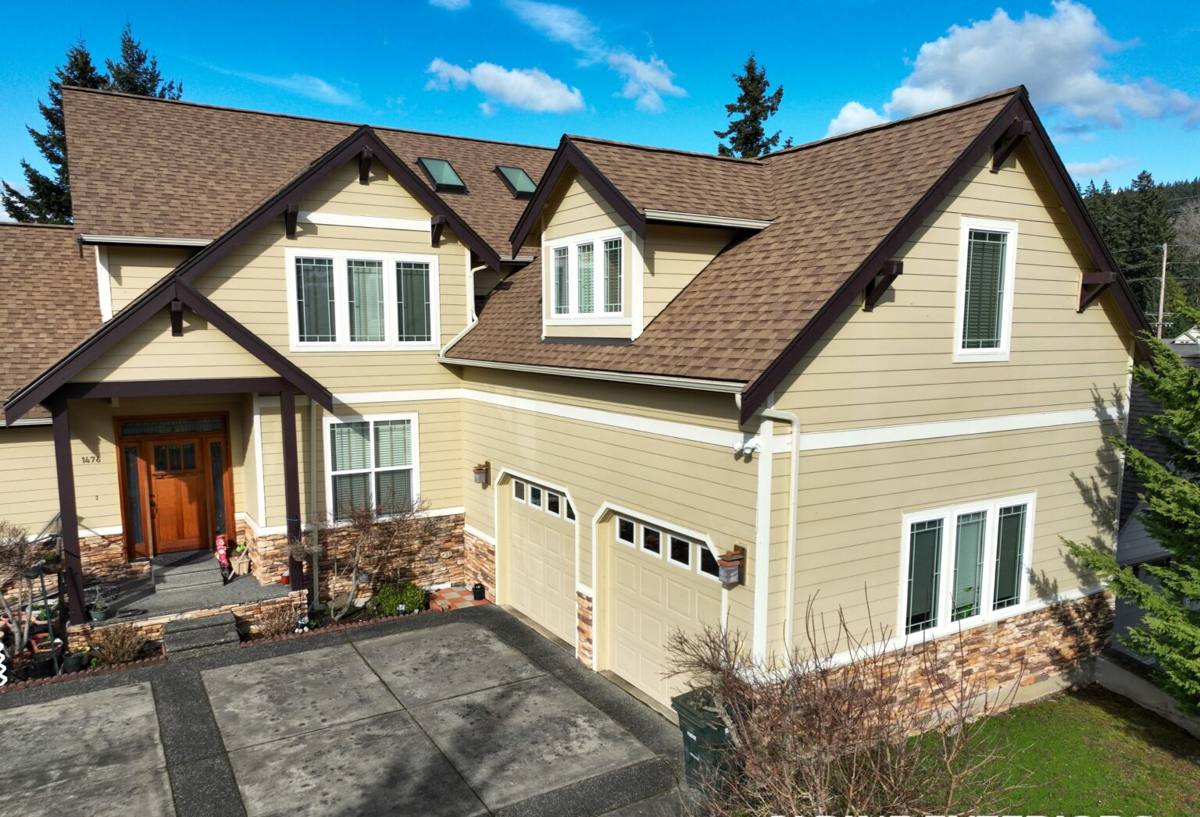
What Skyline Homes Need From a Deck
Most of the decks we get called out to repair or replace in this area fail for the same handful of reasons, and they're almost all tied to moisture management rather than the decking material itself.
- Poor airflow underneath the deck, which traps humidity and feeds moss and mildew growth on the underside of boards and the framing
- Ledger boards and framing connections that weren't properly flashed, letting water track into the house band board over time
- Fasteners and hardware that aren't rated for coastal exposure, leading to corrosion and streaking
- Boards installed tight to the house or landscaping with no gap for water to shed and dry
- Surface drainage that pools instead of running off, which is exactly what moss needs to take hold
None of these are exotic problems. They're the ordinary result of building a deck the same way you'd build one in a drier climate, and then letting Anacortes weather find every shortcut.
Salt Air and Metal Components
Even a few miles from open water, airborne salt accelerates corrosion on anything less than a properly rated fastener or bracket. On a deck, that means hidden fastener systems, joist hangers, and structural screws all need a coating or alloy built for coastal exposure — not just galvanized hardware pulled off a generic shelf.
Moss and Algae on Composite Boards
Composite boards resist rot, but they're not immune to surface growth. Moss and algae will colonize any composite surface that stays wet and shaded long enough, the same as they would on concrete or roofing. The difference is that a well-drained, well-ventilated composite deck sheds water fast enough that growth stays minimal and easy to rinse off, while a poorly built one stays damp for days after every rain and grows a film that needs scrubbing.
Composite vs. Other Decking Materials
We install composite on most Skyline projects because it holds up best against the specific conditions here, but it's worth understanding the honest trade-offs against the alternatives.
| Material | Moisture Behavior | Maintenance | Typical Lifespan Here |
|---|---|---|---|
| Composite (capped) | Doesn't absorb water; resists rot and swelling | Periodic rinse and scrub for surface growth | 25-30+ years |
| Pressure-treated wood | Absorbs water; prone to cupping and splitting | Annual cleaning, re-staining every 2-3 years | 10-15 years |
| Cedar | Moderate absorption; better than PT but still moves | Regular sealing to prevent graying and checking | 15-20 years |
| Uncapped composite | Some moisture absorption at cut edges and surface | More prone to staining and mold than capped boards | 15-20 years |
Capped composite costs more up front than wood, but in a climate that keeps decks wet for months at a time, the reduced maintenance and longer service life usually make it the better long-term value. We're honest with clients when a smaller budget or a specific look means wood makes more sense for their project — it's a legitimate choice, just one that comes with a different maintenance commitment.
What a Correct Installation Involves
The composite board itself is only part of the job. A deck that actually performs in Skyline's climate starts underneath, at the framing and drainage, well before the first board goes down.
Substructure and Framing
We frame to the joist spacing the board manufacturer specifies for the installation angle and expected loads, not the widest spacing that happens to save material. Ledger connections get proper flashing so water sheds away from the house rather than tracking behind the band board. Where a deck sits low to grade, we make sure there's enough clearance for airflow underneath — a common shortcut on older Skyline decks that leads directly to trapped moisture and premature rot in the framing, even when the surface boards are composite.
Fasteners and Hardware
Every screw, bracket, and hanger is rated for coastal, high-moisture exposure. This is a small line item on a quote and one of the most common places corners get cut, because the failure doesn't show up for a few years — by then it's a structural repair, not a warranty claim.
Board Layout and Gapping
Composite boards need consistent gapping for drainage and thermal movement, and that gap has to be maintained around posts, drains, and the house itself. Boards run tight against a wall or planting bed trap water and debris right where you don't want either.
Railings and Edge Details
Post bases and railing attachments are frequent leak points if they're not sealed correctly where they penetrate the deck surface. We treat these connections with the same care as the main field of decking, since a small gap here is exactly where water finds its way into framing over a wet Anacortes winter.
Our Process for Skyline Decking Projects
- On-site assessment — we look at drainage, sun/shade exposure, proximity to salt air, and the condition of any existing structure before quoting anything
- Framing plan — joist spacing, ledger flashing, and clearance are set to the manufacturer's specs and the site's actual drainage needs
- Material selection — we walk through composite lines and finishes with you, including honest trade-offs on cost, color retention, and heat underfoot
- Installation — framing, hardware, and board installation with hidden fastener systems where the product allows it, for a cleaner surface and fewer exposed metal points
- Final walkthrough — we check gapping, drainage, railing attachment, and finish work with you before calling the job done
Living With a Composite Deck in This Climate
Composite decking cuts maintenance significantly compared to wood, but "low maintenance" isn't "no maintenance" in a place with a moss season as long as Skagit County's.
- Rinse the deck surface periodically through fall and winter to keep organic debris from sitting and feeding moss growth
- Sweep leaves and needles out of corners and against railings where they trap moisture
- Keep gutters and downspouts near the deck clear so runoff isn't dumping directly onto the surface or framing below
- Check railing posts and stair connections once a year for any movement or gaps that have opened up
- Clean visible mildew or algae with a soft brush and a mild cleaner rated for composite — avoid pressure washing at close range, which can damage the cap layer
Cost Factors for a Skyline Deck Project
Every deck is different, but the same handful of factors drive most of the cost variation we see on projects in this area.
| Factor | Why It Matters |
|---|---|
| Deck size and shape | Square footage and the number of angles, steps, or level changes affect labor and material |
| Height above grade | Taller decks need more substantial railing systems and structural support |
| Board tier and finish | Composite lines range from standard capped boards to premium multi-tone finishes |
| Existing structure condition | Reusing sound framing costs less than a full tear-out and rebuild |
| Site access | Tight lots or steep grades common in parts of Anacortes can add labor time |
| Railing and fastener systems | Hidden fastener systems and coastal-rated hardware cost more than basic options but pay off in appearance and longevity |
Signs a Deck Was Built Correctly
Whether you're evaluating a quote or checking a deck that's already built, these are the details worth asking about.
- Joist spacing matches what the board manufacturer specifies for your installation pattern
- Ledger board has visible flashing where it meets the house
- Fasteners and brackets are rated for coastal or marine-grade exposure
- There's a real air gap under the deck, not boards sitting close to grade
- Board gaps are consistent and boards aren't butted tight against walls or planters
- Railing posts feel solid with no flex at the base
Why a Skyline-Familiar Crew Matters
A crew that regularly works Skyline and the surrounding Anacortes area already knows how the salt exposure, rain patterns, and moss season here differ from a deck built in a drier inland town. That familiarity shows up in the choices that don't get written on a quote — which hardware grade to spec by default, how much clearance to build in under a low deck, where to add extra flashing without being asked. It's the difference between a deck that's built to survive one dry summer and one that's built to hold up through a decade of Skagit County winters.
If you're planning a new deck or replacing one that's showing its age, we're happy to take a look and give you a straightforward assessment — no pressure, no upsell, just what your project actually needs. Reach out for a free estimate using the form below.