 Anacortes Exterior
 Window Replacement Built for Burlington's Weather, Not a National Catalog
Burlington sits inside the same weather system that shapes every home along this stretch of Skagit County — close enough to the water to catch salt-laden air, low enough in elevation to sit under fog and cloud cover for long stretches of the year, and wet enough that moss and mildew are a fact of life rather than an occasional problem. Windows here don't fail the way they do in drier inland climates. They fail from the outside in, at the seals, the sills, and the flashing, long before the glass itself gives out. A window replacement job that ignores that reality is a job that has to be redone in five or ten years instead of thirty.
We work Burlington and the surrounding Anacortes area regularly, which means we're not guessing at how this climate treats a house. We're replacing windows in the same conditions we'll be driving home through that evening.
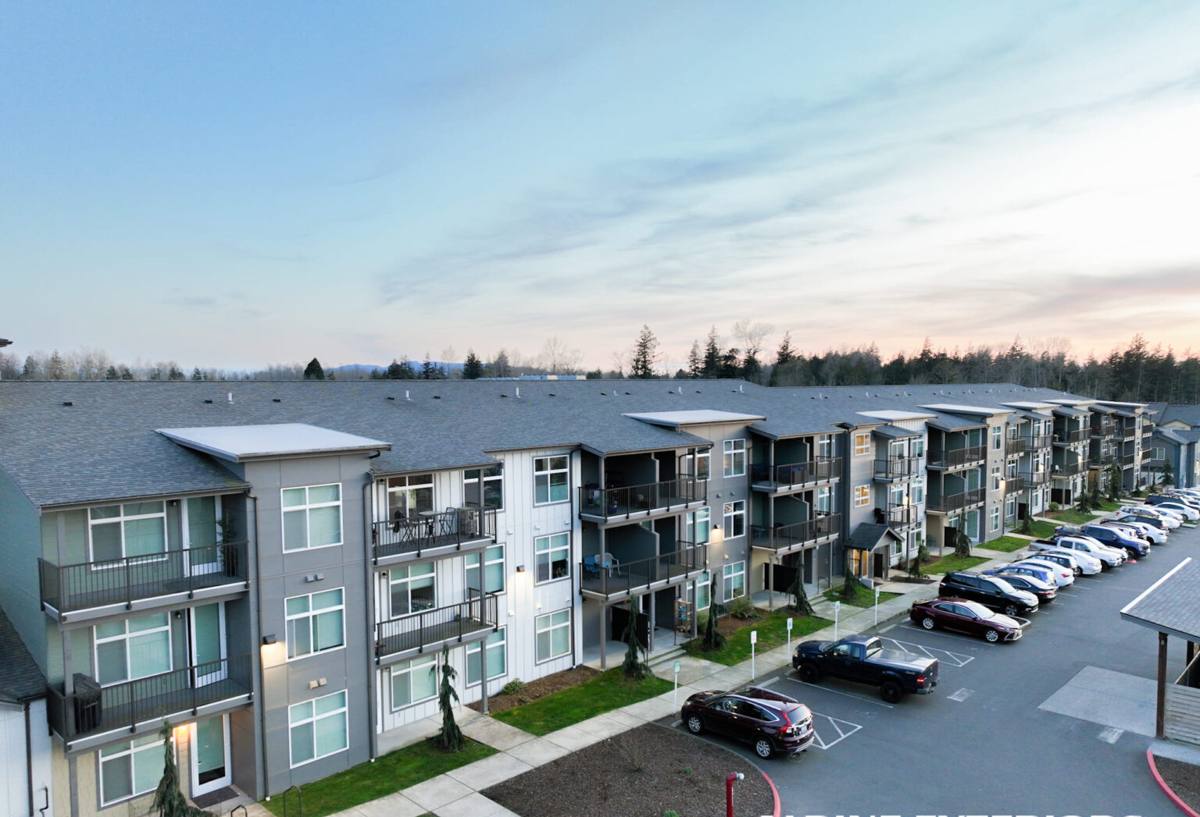
What Salt Air, Driving Rain, and Moss Season Actually Do to Windows
Three things wear out windows faster here than in most of the country, and they compound each other:
Salt Air
Proximity to Puget Sound means airborne salt settles on exterior surfaces year-round. On windows, that means accelerated corrosion on hardware, hinges, and any exposed metal components — including the fasteners holding the frame in place. Cheaper hardware finishes pit and seize up well before the glass or frame would otherwise need attention.
Driving Rain
This isn't gentle, straight-down rain. Storms off the Sound frequently push rain sideways into west- and south-facing walls, which is exactly the condition that exposes weak flashing and undersized sills. A window that would stay dry in a calm rain event can take on water during a wind-driven storm if the installation wasn't detailed for that specific exposure.
Moss and Sustained Moisture
Long stretches of overcast, damp weather — especially fall through spring — keep exterior wood trim and sills wet for days at a time. That's ideal growing conditions for moss and algae, which hold moisture against the window frame and accelerate rot in any wood components that aren't properly sealed or flashed.
None of this means Burlington homes need exotic materials. It means the installation details — flashing, sealing, drainage — have to be done correctly, every time, because there's no dry season here that gives a sloppy install a chance to catch up.
Signs a Burlington Home Actually Needs Window Replacement
Not every drafty or foggy window needs full replacement — sometimes it's a failed seal or hardware issue that a repair can fix. Here's what tells us replacement is the right call rather than a patch:
- Fogging or condensation between the panes (the seal has failed and the insulating gas is gone — this can't be repaired)
- Visible rot, soft spots, or discoloration in the wood frame or sill, especially on west- or south-facing walls
- Windows that are difficult to open, close, or lock, often from swelling, warping, or corroded hardware
- Noticeable drafts or cold spots near the window even with it fully closed
- Paint or caulk that keeps failing at the same spot no matter how often it's redone
- Visible daylight or gaps around the frame from outside
- A jump in heating costs with no other explanation
If you're only seeing one of these and the frame itself is sound, a repair or reseal may be worth trying first. When several show up together, especially rot or frame movement, replacement is almost always the more cost-effective long-term move.
What a Correct Window Replacement Actually Involves
The window unit itself is the easy part — most quality windows on the market today will perform fine if they're installed correctly. The install is where jobs succeed or fail in this climate.
Removing the Old Window Without Hiding Problems
Once the old window is out, we check the rough opening and surrounding framing for hidden water damage or rot before anything new goes in. Installing a new window over a compromised opening just seals the problem inside the wall, where it keeps spreading unseen.
Flashing and Drainage
This is the single most important part of the job in a driving-rain climate. Proper flashing directs any water that gets behind the siding back out, rather than letting it pool at the sill or track down into the wall cavity. A window can be expensive and well-built and still leak if the flashing detail underneath it is wrong.
Sealing and Insulation
The gap between the window frame and the rough opening needs to be properly insulated and air-sealed — not just caulked around the outside trim. Skipping this step is a common source of drafts and energy loss that has nothing to do with the window itself.
Hardware and Finish
Given the salt air exposure, hardware quality matters more here than in a lot of markets. We pay attention to corrosion-resistant hardware and finishes that will hold up over years of exposure rather than seizing up or pitting within a couple of seasons.
Choosing a Frame Material for Burlington's Exposure
There's no single "best" window material for every home — it depends on exposure, budget, and how much upkeep you want to take on. Here's how the common options actually compare in this climate:
| Frame Material | How It Handles Salt Air & Rain | Maintenance | Typical Cost Position |
|---|---|---|---|
| Vinyl | Won't rust or rot; performs well in coastal exposure | Low — occasional cleaning | Most affordable |
| Fiberglass | Excellent stability and moisture resistance; holds up well long-term | Low | Mid to upper range |
| Wood (unclad) | Handsome but vulnerable to sustained moisture and moss if not maintained | High — regular painting/sealing needed | Varies, often higher with finish work |
| Wood-clad (exterior aluminum or vinyl over wood) | Good protection if the cladding and flashing are done correctly | Low exterior, interior wood still needs occasional attention | Upper range |
For homes with heavy west or south exposure to driving rain, we lean toward vinyl or fiberglass for the exterior-facing durability and lower long-term maintenance. Unclad wood can still be the right call for a specific look or a historic home, but it needs an honest conversation about the upkeep it requires in this climate before you commit to it.
Cost Factors Worth Understanding Before You Get Quotes
Window replacement pricing varies a lot based on factors that aren't always obvious from a quote alone:
| Factor | Why It Matters |
|---|---|
| Full-frame vs. insert replacement | Full-frame replaces down to the studs and allows flashing repair; insert reuses the existing frame and is faster but can trap existing problems |
| Number and size of openings | Larger and more numerous windows increase both material and labor cost |
| Existing rot or framing damage | Hidden damage found during removal adds repair scope before the new window can go in |
| Frame material chosen | Vinyl, fiberglass, and wood-clad sit at different price points, as shown above |
| Glass package | Double-pane vs. triple-pane, and low-E coatings, affect both cost and energy performance |
| Trim and finish work | Matching existing exterior trim or repainting/staining adds labor beyond the window itself |
We'll always tell you honestly if we find something during removal that changes the scope — better to know before the job is buttoned up than to have it resurface as a leak two winters later.
How Our Process Works
Assessment and Measurement
We look at each opening individually — not every window on a house is in the same condition, especially on a home with mixed sun and rain exposure across its walls. We measure precisely and flag any openings where we expect to find hidden damage once removal starts.
Installation
We remove, inspect, flash, insulate, and seal each opening as a complete process rather than rushing to get the new unit in and moving to the next window. Given how much of this climate's damage originates at the flashing and sill, this step gets the same attention as the window itself.
Final Check and Cleanup
Every new window gets checked for proper operation, a tight seal, and clean exterior finish work before we consider the job done. We clean up debris and old materials as part of the job, not as an afterthought.
Why a Crew That Already Works Burlington and Anacortes Matters
A contractor who works this specific area regularly already knows what a Burlington home is up against — the exposure patterns, the moss and moisture issues that show up year after year, and what kind of flashing and sealing detail actually holds up through a full Skagit County winter. That's different from a crew that installs windows in a dry climate 200 miles away and treats every job the same way.
Working locally also means we're not disappearing after the invoice is paid. If a question comes up about how a window is performing six months or two winters later, we're still in the area and reachable — not a one-time crew that passed through.
Maintaining Your New Windows in This Climate
A correctly installed window in a good frame material shouldn't need much — but a little seasonal attention goes a long way here:
- Rinse salt residue and grime off exterior glass and frames a few times a year, especially after storms
- Keep gutters and downspouts clear so water isn't overflowing directly onto window heads
- Check and clear any moss or debris building up on sills or nearby trim before it holds moisture against the frame
- Inspect exterior caulking annually and touch up any cracked or separated sections
- Operate hardware (locks, cranks, hinges) a few times through the year so components don't seize from disuse
If you're seeing signs of trouble with your current windows, or you'd just like an honest read on whether repair or replacement makes more sense for your Burlington home, we're happy to take a look. There's a free, no-pressure estimate form below — reach out and we'll walk the property with you and tell you what we'd actually recommend.