 Anacortes Exterior
 Window Installation Built for the Skyline Area's Climate
Homes in the Skyline area near Anacortes sit inside one of the more demanding climates in Skagit County for exterior building materials. The combination of salt-laden air off the Salish Sea, frequent driving rain, and long stretches of shaded, damp weather that feed moss growth puts real, measurable stress on windows — the frames, the seals, and the flashing behind them. A window that performs fine in a drier inland climate can fail years early out here if it wasn't installed with this environment in mind.
This page covers window installation specifically for Skyline-area homes: what the local climate actually does to windows over time, what a correct installation looks like, how our process works, and why it matters to hire a crew that already knows this stretch of Fidalgo Island rather than one learning it on your house.
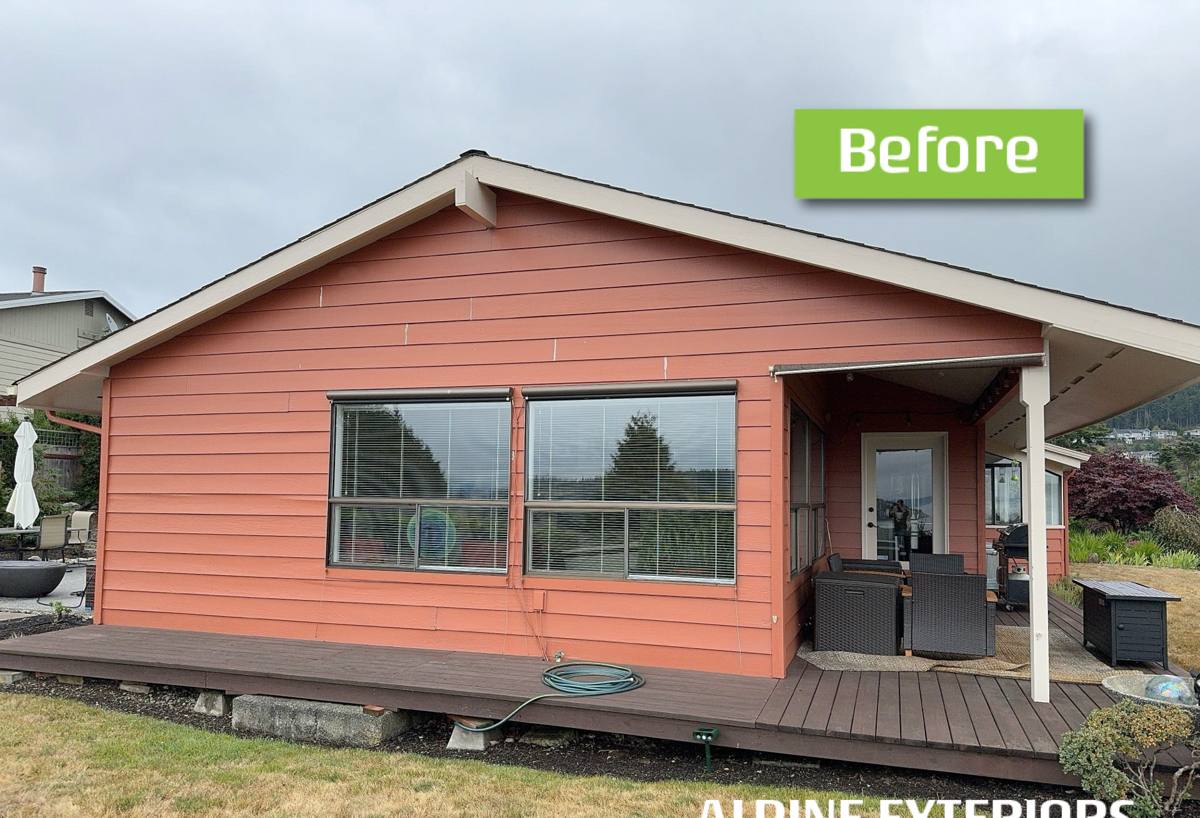
What Anacortes' Marine Climate Does to Windows Over Time
Salt Air and Metal Fatigue
Proximity to salt water means airborne salt settles on every exterior surface, including window frames and hardware. Aluminum components, uncoated fasteners, and lower-grade hardware corrode faster here than they would twenty or thirty miles inland. Corrosion at hinges, locks, and balance mechanisms is one of the more common reasons older windows in this area stop operating smoothly long before the glass itself fails.
Driving Rain and Water Intrusion
Anacortes gets weather that comes in sideways, not just straight down. Driving rain finds any gap in flashing, sealant, or trim that a calmer climate would never expose. Most window failures we see in this area aren't glass problems — they're water problems: rot in the framing around the window, staining on interior sills, or soft spots in siding near the window opening. Once water gets behind a window, it keeps doing damage long after the rain stops.
Moss, Shade, and Moisture Retention
Tree cover and extended cloud cover through fall and winter keep exterior surfaces damp longer than they would stay in full sun. That extended moisture window is exactly what moss and mildew need to establish themselves on trim, sills, and siding around windows. Once moss takes hold near a window opening, it holds moisture against the wood and caulking, which accelerates rot and seal failure rather than causing it directly.
Signs a Skyline-Area Home Needs New Windows
Not every issue means a full replacement, but these are the signals worth having a professional look at before they become bigger repairs:
- Visible fogging or moisture between panes (failed seal on double- or triple-pane glass)
- Windows that are difficult to open, close, or lock — often a sign of frame swelling or hardware corrosion
- Soft, discolored, or spongy wood trim around the window frame
- Drafts or noticeable cold spots near windows even when they're fully closed
- Moss or persistent green staining building up on sills or nearby trim
- Peeling paint or bubbling finish concentrated around window openings rather than the whole wall
- Noticeably higher heating costs compared to similar homes in the area
What a Correct Window Installation Actually Involves
Window installation is often talked about like it's just fitting a new unit into an old opening. In a climate like ours, the window itself is only part of the job — what happens around it determines whether the installation lasts.
Flashing and Water Management
Proper flashing directs any water that reaches the window opening back out and away from the framing, rather than letting it pool or work its way inward. This includes sill pan flashing at the base of the opening, head flashing above the window, and correct integration with the house wrap or weather-resistive barrier already on the wall. Skipping or rushing this step is the single most common cause of hidden rot behind windows we've seen replaced too early.
Insulation and Air Sealing
The gap between the window frame and the rough opening needs to be sealed and insulated correctly — not overpacked with expanding foam, which can bow the frame, and not left with gaps, which let in both air and moisture. Done right, this step is a major factor in both comfort and energy performance.
Frame Material Choices for a Coastal Climate
Frame material matters more here than in a drier, inland setting. We generally steer homeowners toward vinyl or fiberglass frames for coastal exposure because they resist corrosion and don't require the ongoing maintenance that painted wood or bare aluminum demand in salt air and constant moisture. Wood-clad options can still work well, but they need a homeowner willing to keep up with maintenance on the exterior cladding.
| Frame Material | Coastal Durability | Maintenance | Typical Use Case |
|---|---|---|---|
| Vinyl | Good — won't corrode or rot | Low | Most Skyline-area replacements |
| Fiberglass | Excellent — very stable in temperature swings and moisture | Low | Higher-exposure walls, larger openings |
| Aluminum | Poor to fair without upgraded coatings | Moderate to high | Generally avoided near salt air unless coated |
| Wood-clad | Good if maintained | High | Homeowners prioritizing a specific interior wood look |
Our Window Installation Process
Assessment and Measurement
We start by inspecting the existing opening — not just the window itself, but the framing, sill, and siding around it — to catch any hidden water damage before it becomes a surprise mid-installation. Accurate measurements at this stage prevent gaps or forced fits later.
Removal and Prep
The old window comes out carefully to avoid unnecessary damage to surrounding siding or trim. If we find rot or compromised framing during removal, we address it before anything new goes in — installing a new window into a damaged opening just repeats the same failure on a faster timeline.
Installation and Sealing
The new window is set level, plumb, and square, then flashed, insulated, and sealed using materials suited to this climate's rain and salt exposure. Exterior trim and caulking are finished to shed water rather than trap it.
Final Walkthrough
We check operation, seals, and finish work with you before we consider the job done, and we're upfront about anything we found along the way — including issues that weren't part of the original scope.
Choosing the Right Windows for a Skyline-Area Property
Beyond frame material, a few practical factors matter most for homes in this area:
- Wind and driving-rain exposure: Windows facing open water or prevailing weather benefit from higher-performance seals and, in some cases, impact-rated or heavier-duty hardware.
- Sun and shade exposure: Shaded elevations that stay damp longer benefit from frame materials and finishes that resist moss and mildew buildup.
- Energy performance: Double-pane windows with a quality low-E coating are standard for most homes here; triple-pane can make sense for rooms with heavy wind exposure or where noise reduction is a priority.
- Operable style: Casement windows tend to seal tighter against driving rain than sliding styles, which is worth weighing on more exposed walls.
Cost Factors for Window Installation
Every home is different, but these are the main variables that affect the cost of a window installation project in this area:
| Factor | Why It Matters |
|---|---|
| Number and size of windows | Larger openings and higher counts increase material and labor |
| Frame material | Fiberglass typically costs more upfront than vinyl but needs less long-term maintenance |
| Condition of the existing opening | Hidden rot or framing damage found during removal adds repair scope |
| Access and wall height | Second-story or hard-to-access windows take more time and equipment |
| Full-frame vs. insert replacement | Full-frame replacement addresses flashing and framing directly; inserts are faster but rely on sound existing framing |
We give homeowners a broad, honest range once we've actually looked at the property — anything quoted without an in-person or photo-based assessment should be treated as a rough placeholder, not a final number.
Why a Crew That Already Works the Skyline Area Matters
Window installation done wrong doesn't usually show up as a problem on day one — it shows up two or three winters later as a soft spot in the wall or a window that won't seal anymore. A crew that regularly works homes on Fidalgo Island and elsewhere in Skagit County has already seen how salt air, driving rain, and shaded moss-prone walls affect installations over time, and builds around those conditions by default rather than treating this as a generic install. That local pattern recognition — knowing which details can't be skipped in this climate — is the difference between a window that lasts and one that needs attention again in a few years.
If you're noticing drafts, sticking sashes, moss buildup around your window trim, or you're simply planning ahead for a home in the Skyline area, we're happy to take a look and give you a straightforward, no-pressure estimate. Use the form below to get started.