 Anacortes Exterior
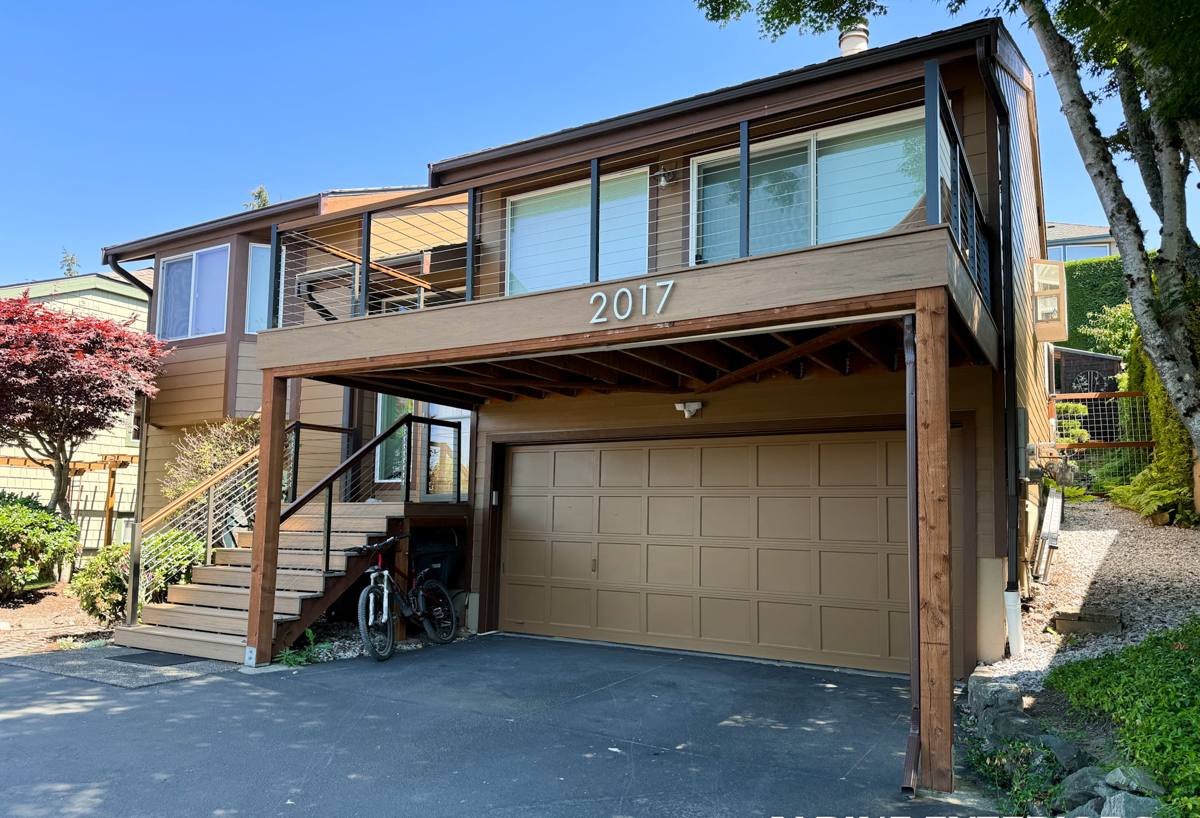
 Siding Replacement for Skyline Homes: A Different Kind of Weather Problem
Homes in the Skyline area sit closer to open water and wind than most of Anacortes, and that changes what siding has to survive. It's not just rain — it's rain pushed sideways by wind off the water, salt-laden air that never fully dries out, and long stretches of gray, damp weather that keep siding wet for days at a time. Add in the shade from mature evergreens common to this part of Fidalgo Island, and you get one of the more demanding siding environments in Skagit County.
Siding that would hold up fine in a drier, more sheltered part of the county can fail early here — not dramatically, but quietly, through swelling, delamination, paint failure, and moisture getting behind the cladding where you can't see it. Replacing siding on a Skyline home isn't just a cosmetic upgrade; it's an opportunity to correct whatever let the last siding system down in the first place.
What Salt Air, Driving Rain, and Moss Actually Do to Siding
Salt Air
Airborne salt is corrosive to fasteners, flashing, and metal trim, and it also draws moisture — siding surfaces near the water tend to stay damp longer even after the rain stops. Over years, that constant low-grade moisture exposure accelerates whatever weakness a siding material already has.
Driving Rain
Wind-driven rain doesn't just hit a wall — it gets forced sideways and upward, finding its way into laps, seams, and butt joints that would stay dry in a calmer setting. This is why lap orientation, caulking practices, and flashing details matter more in Skyline than they would on a sheltered inland lot.
Moss and Shade
Skagit County's moss season runs long, and shaded north- and west-facing walls near tree cover barely get a chance to dry between storms. Moss and algae hold moisture against the siding surface, which is a slow but steady path to rot and finish failure on materials that aren't built to shed it.
Signs a Skyline Home Needs Siding Replacement Soon
Not every problem shows up as an obvious hole or crack. Homeowners in this area should watch for:
- Soft or spongy spots when you press on the siding, especially near the bottom courses or under windows
- Paint that's peeling, bubbling, or chalking heavily on just one or two sides of the house (usually the water- or wind-facing side)
- Visible gaps opening up at seams, corners, or trim boards
- Persistent moss or dark staining that keeps coming back no matter how often it's cleaned
- Warping, cupping, or delamination — layers of the siding separating or lifting
- Interior signs like musty smells, peeling interior paint, or damp drywall on exterior walls
- Siding that's original to a home 20-plus years old and has never been fully inspected behind the surface
Any one of these is worth a look. Several together usually mean the siding system — not just the paint — has reached the end of its useful life.
Why We Install Only James Hardie Fiber Cement
We standardized on James Hardie fiber cement siding for every home we side, including in Skyline, and we don't install vinyl, LP SmartSide, Cemplank, Allura, primed spruce, or cedar. That's not a marketing preference — it's a decision based on what actually holds up in this climate over decades, not just years.
Fiber cement is non-combustible and dimensionally stable, meaning it doesn't expand, contract, or absorb moisture the way wood-based or engineered-wood products can. James Hardie's HZ product lines are engineered specifically for climate zones like ours — the HZ5 formulation is built for regions with more moisture and freeze-thaw cycling, which matches Pacific Northwest conditions better than a one-size-fits-all product. The factory-applied ColorPlus finish is baked on under controlled conditions, which gives far more consistent, fade-resistant color than field-applied paint, and it comes with its own finish warranty on top of Hardie's product warranty.
We're not going to tell you other siding materials are junk — plenty of them have real strengths. Vinyl is inexpensive and low-maintenance in mild climates. Engineered wood products can look great when new. But in a marine environment with heavy rain, salt exposure, and long damp stretches, we've found the trade-offs — moisture sensitivity at cut edges, seam performance in wind-driven rain, finish longevity — aren't ones we're willing to put on a home we're putting our name behind. Fiber cement, installed correctly, is what we trust here.
What a Correct Siding Replacement Job Actually Involves
Replacing siding is not just stripping old material and nailing up new boards. Done right, especially in a climate like this one, it involves several layers most homeowners never see:
1. Full Tear-Off and Inspection
We remove the old siding completely so the sheathing underneath can be inspected for rot, soft spots, or existing moisture damage — problems that are common on water-exposed walls and need to be fixed before anything new goes up, not covered over.
2. Water-Resistive Barrier
A properly lapped, sealed weather barrier goes over the sheathing. This is the layer that actually keeps bulk water out if wind-driven rain gets past the siding face, and it's easy to shortcut if a crew is moving too fast.
3. Flashing at Every Penetration
Windows, doors, hose bibs, vents, and any other wall penetration need proper flashing integrated with the water barrier — this is where driving-rain climates punish sloppy work hardest, and it's often the actual cause of "siding failure" that gets blamed on the material instead of the installation.
4. Installation to Manufacturer Spec
James Hardie siding has specific requirements for fastener type and spacing, clearance from grade and roof lines, gaps at butt joints, and caulking — all of which affect both performance and warranty coverage. Installing it like a generic lap siding product defeats the purpose of choosing it in the first place.
5. Trim, Caulking, and Finish Details
Corner boards, trim, and caulked joints are finished to shed water rather than trap it, particularly on the sides of the house that take the most wind and rain.
Our Process for Skyline Projects
Working near the water changes some practical details of a siding job — protecting landscaping and outdoor living areas from salt spray and wind during the project, scheduling around the wetter stretches of the year when possible, and paying extra attention to sealing the house properly before the next storm rolls through mid-project. A crew that already works this part of Anacortes knows to plan for that instead of getting caught off guard by it.
Our process is straightforward:
- An on-site inspection of your current siding, trim, and any visible or suspected moisture damage
- A written estimate that spells out material, labor, and scope — no vague allowances
- Tear-off, sheathing repair if needed, and correct water barrier and flashing installation
- James Hardie installation to manufacturer specification, including fastener and clearance details
- Final trim, caulking, and a walk-through before we consider the job done
Comparing Siding Materials in a Marine Climate
| Material | Moisture Behavior | Salt Air Durability | Long-Term Maintenance |
|---|---|---|---|
| James Hardie Fiber Cement | Dimensionally stable, doesn't swell or rot | Strong — non-combustible, engineered HZ lines for wet climates | Low; factory finish holds color for years |
| Vinyl | Doesn't rot, but can warp or crack in wind and temperature swings | Fair; seams and fasteners are the weak point | Low, but color and finish degrade over time |
| LP SmartSide / Engineered Wood | Sensitive to moisture at cut edges and seams | Moderate; requires diligent sealing and upkeep | Higher; finish and edge sealing need monitoring |
| Cedar / Primed Spruce | Absorbs moisture, prone to swelling and rot without upkeep | Weaker without frequent refinishing | High; regular refinishing needed |
What Affects the Cost of a Siding Replacement Project
| Factor | Why It Matters |
|---|---|
| Home size and wall complexity | More corners, gables, and dormers mean more cutting, flashing, and labor time |
| Sheathing condition | Rot or moisture damage found during tear-off adds repair scope before new siding goes on |
| Siding profile and trim style | Board-and-batten, varied reveal widths, and custom trim take more time than a simple lap pattern |
| Access and site conditions | Waterfront lots, slopes, and limited staging space can affect scaffolding and material handling |
| Window and door count | Each opening needs its own flashing detail, which adds labor regardless of material cost |
We don't quote ballpark numbers without seeing the house — wall condition and scope vary too much from one Skyline home to the next to make that useful. What we can tell you is that every estimate breaks down material and labor clearly, with no vague "allowance" line items.
Why a Crew That Already Works Skyline Matters
A siding crew that only occasionally works near the water tends to learn its lessons on your house. A crew that's already familiar with this part of Anacortes knows which wall orientations take the worst weather, where moss and shade cause recurring problems, and how to sequence a project so the home isn't left exposed during the wetter parts of the year. That familiarity shows up in fewer surprises and fewer callbacks — not because the job is more complicated, but because the details that matter here are already second nature.
If you're noticing paint failure, soft spots, or moss buildup that keeps coming back, it's worth getting a straight answer on what's actually going on behind your siding before it turns into a bigger repair. We're happy to take a look, walk you through what we find, and put together a free, no-pressure estimate for a James Hardie siding replacement built for what this stretch of Anacortes weather actually throws at a home.