 Anacortes Exterior
 Windows Built for Sedro-Woolley's Weather, Not Just the Showroom
Sedro-Woolley sits at the eastern edge of the Skagit Valley, where the marine air moving in off the Salish Sea collides with the wetter, cooler conditions coming down off the foothills. That mix means long stretches of steady rain, heavy morning fog that can sit in the valley for hours, and a moss and mildew season that runs longer here than it does in drier parts of the state. Windows on Sedro-Woolley homes take that punishment every single day, and the installation work behind the glass matters just as much as the window itself.
A window is only as good as the flashing, sealant, and framing details around it. We've seen plenty of newer-looking windows fail early — not because the glass or vinyl was bad, but because the install skipped a step that doesn't show up until water starts finding its way behind the trim. This page is about what a correct installation looks like for this specific area, and why that matters more here than in a lot of other places.
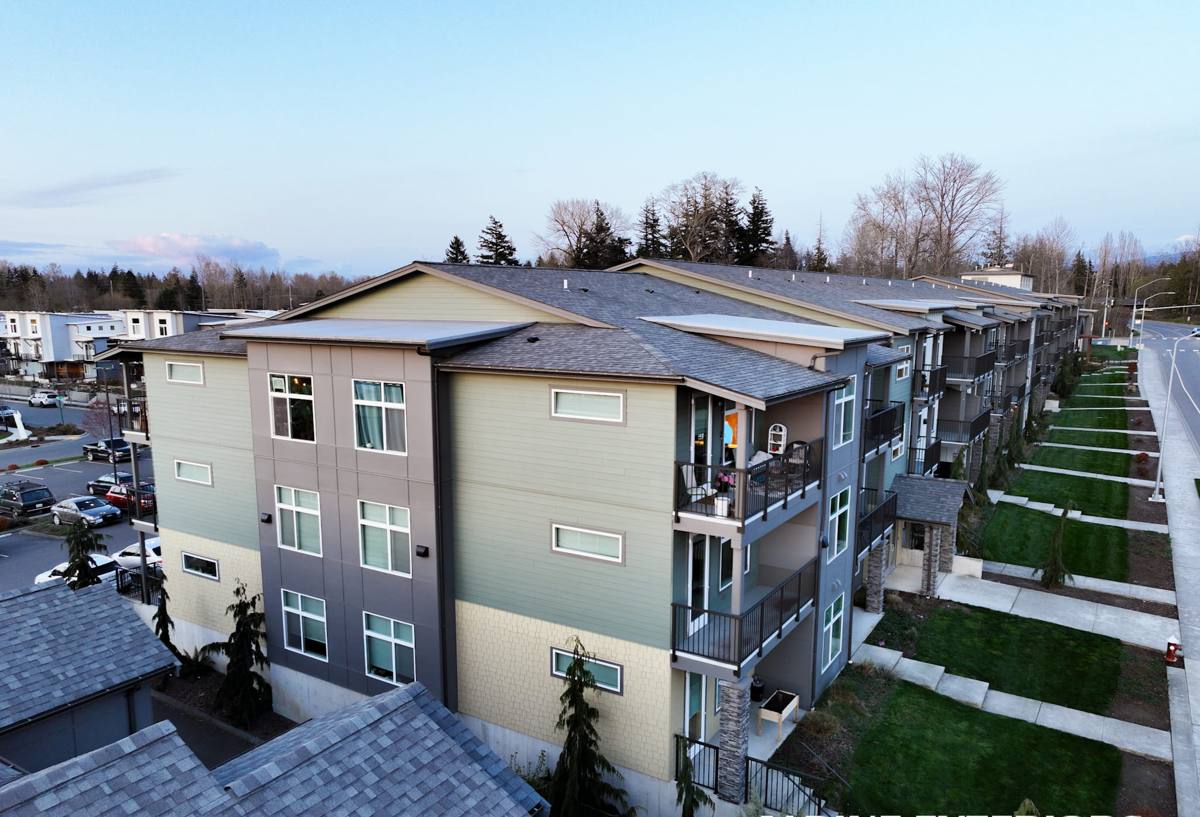
What Skagit County's Climate Actually Does to Windows
It helps to be specific about what we're up against, because "it rains a lot here" undersells the real issue.
- Wind-driven rain: Storms coming through the valley push rain sideways into window assemblies, testing every seam and joint, not just the top of the frame.
- Persistent moisture and fog: Extended damp periods keep humidity against exterior walls longer than a quick rain shower would, which is exactly the kind of condition that lets rot start in framing that isn't properly sealed.
- Moss and organic growth: Shaded lots, tree cover, and north-facing walls common in this area hold moisture and grow moss on sills, trim, and siding, which traps water against the window opening if it isn't detailed correctly.
- Temperature swings: Cool nights and warmer days cause condensation on and around glass, which is a comfort and efficiency issue as much as a moisture one.
None of this is exotic — it's just the normal cost of doing business in Skagit County. But it does mean a window installation here has less margin for error than the same job in a dry climate.
What a Correct Installation Actually Involves
Buying a good window is the easy part. The installation is where most long-term problems start or get prevented. Here's what we consider non-negotiable on every job:
Proper Flashing and Water Management
Every opening gets flashed so that any water that gets past the exterior cladding is directed back out, not into the wall cavity. That includes sill pan flashing at the bottom of the opening — a detail that's easy to skip and impossible to see once the trim goes back on, but it's the single biggest factor in whether a window leaks five years from now.
Correct Sealant Placement
Sealant isn't a substitute for good flashing — it's a backup layer, and it has to go in the right places, not everywhere. Over-sealing can actually trap moisture inside a wall assembly instead of letting it drain, which causes hidden rot even though the outside looks sealed up tight.
Square, Level, and Properly Shimmed Frames
A window that isn't installed square will bind, won't seal properly against weatherstripping, and will develop gaps over time as the house settles. This is basic work, but it's rushed more often than homeowners realize.
Insulation Around the Frame
The gap between the window frame and the rough opening needs to be filled with the right material and the right amount — not packed so tight it bows the frame, not left open enough to create a draft and a condensation point.
Signs Your Sedro-Woolley Home May Need New Windows
Not every issue means a full replacement, but these are the signs worth taking seriously in this climate:
- Fogging or moisture between panes of double-pane glass (a failed seal, not fixable — the whole unit needs replacing)
- Soft or discolored trim and sills, especially on north-facing or shaded walls
- Visible moss or persistent green staining on sills or exterior trim
- Drafts you can feel near the frame, even with the window closed and locked
- Windows that are difficult to open, close, or lock — often a sign the frame has shifted
- Noticeably higher heating bills without another clear cause
- Condensation forming on the inside of the glass regularly, even in normal indoor humidity
If you're seeing two or more of these on the same window, it's worth having it looked at rather than waiting.
Choosing the Right Window for This Area
There's no single "best" window for every house — it depends on the wall's exposure, the home's age, and your budget. But some general factors matter more here than they would in a milder climate.
| Factor | Why It Matters in Skagit County |
|---|---|
| Frame material | Needs to resist moisture absorption and hold its shape through repeated wet-dry cycles without warping |
| Glass package (double vs. triple pane) | Better insulating glass reduces condensation risk on cooler, damp days and helps with heating costs through our long wet season |
| Low-E coating | Helps manage heat loss and can reduce interior condensation on cold, foggy mornings |
| Weatherstripping quality | Wears faster under constant damp-dry cycling; cheaper stripping fails sooner here than in drier regions |
| Sill design | A sill that sheds water cleanly away from the house matters more on shaded, moss-prone walls |
We don't push one brand or product line as the answer for every home. We'll walk you through the honest trade-offs — maintenance, upfront cost, warranty structure, and how each option actually performs once it's dealing with real Skagit Valley weather — and help you land on what makes sense for your house and budget.
Our Installation Process
- On-site assessment: We look at existing windows, framing condition, and any signs of past water intrusion before recommending anything.
- Honest product discussion: We go over frame material, glass options, and cost tiers in plain terms — no pressure toward the most expensive option if it isn't what your home needs.
- Removal and inspection: Old windows come out carefully so we can check the rough opening and framing underneath for hidden rot or moisture damage before anything new goes in.
- Repair as needed: Any compromised framing or sheathing gets addressed before the new window goes in — installing a new window into damaged framing just hides the problem.
- Flashing and installation: Sill pan flashing, proper shimming, correct sealant placement, and insulation around the frame, done to hold up under this area's rain and moisture patterns.
- Interior and exterior finish work: Trim, caulking, and finish details are completed cleanly on both sides.
- Final walkthrough: We check operation, sealing, and appearance with you before considering the job done.
What Affects the Cost
We're not going to quote you a number without seeing the job, but these are the main drivers of cost on a Sedro-Woolley window project:
| Factor | How It Affects Cost |
|---|---|
| Full-frame vs. insert replacement | Full-frame replacement costs more but is often necessary when there's existing water damage or the frame is out of square |
| Number of windows | Per-window cost typically drops as the total job size increases |
| Frame material and glass package | Higher-performance glass and premium frame materials cost more upfront but can reduce long-term maintenance |
| Hidden damage discovered during removal | Rotted framing or sheathing found once old windows come out adds to the scope, but it's not something we recommend skipping |
| Window size and configuration | Larger openings, custom shapes, or multi-panel units take more time and materials |
Why Hiring a Crew That Already Works in This Area Matters
A window installer who mainly works drier inland climates or dense urban jobs may not think twice about sill pan flashing or moss-prone wall details, because they've rarely had to. In Sedro-Woolley and the surrounding Skagit Valley, those details are the difference between a window that lasts decades and one that starts leaking in a few years. We work in this climate regularly, which means we're not guessing at what this weather does to a wall assembly over time — we've seen it, and we build accordingly.
We also stand behind the installation itself, not just the manufacturer's product warranty. If something isn't right with our work, that's on us to fix.
A Few Maintenance Habits That Help
Even a well-installed window benefits from basic upkeep in this climate:
- Clear moss and debris off sills and tracks a couple of times a year, especially on shaded walls
- Check exterior caulking annually for cracking or gaps, particularly after a hard winter
- Keep gutters and downspouts clear so water isn't running down the wall near window openings
- Address any soft trim or discoloration promptly rather than waiting
If you're dealing with drafty, foggy, or aging windows on a Sedro-Woolley home, we're happy to take a look and give you a straightforward, no-pressure estimate — just fill out the form below to get started.