 Anacortes Exterior
 Building Decks for One of Anacortes' Oldest Neighborhoods
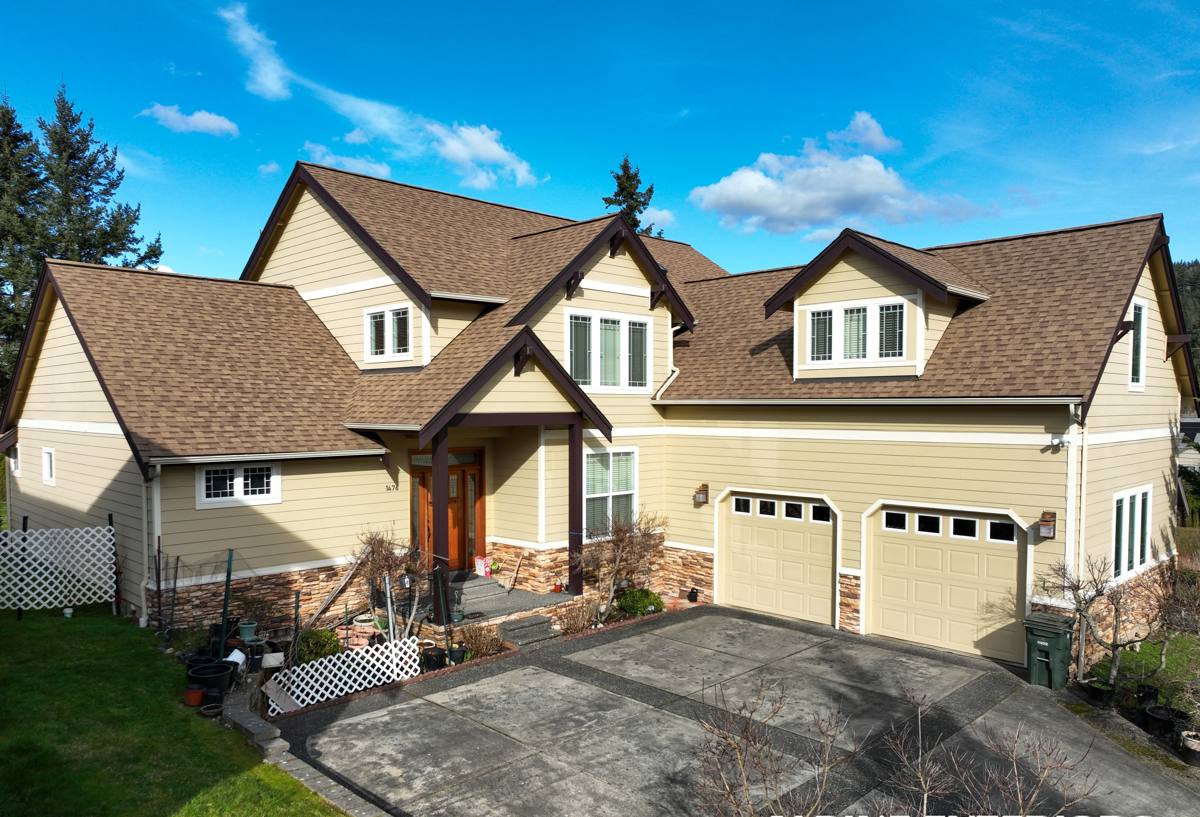
Old Town Anacortes has a character you don't find in newer subdivisions — mature trees, older lot layouts, and homes that have weathered decades of Salish Sea weather. A deck in this part of town isn't just an outdoor living space; it's a structure that has to hold up against salt-laden air off the water, long stretches of driving rain, and a moss season that seems to start earlier every year. Building or replacing a deck here means designing for that reality from the first post hole, not bolting on a generic deck plan and hoping it holds.
We work throughout Anacortes and Skagit County, but Old Town's proximity to the water and its older housing stock make deck work here its own category of job. This page covers what that actually involves.
What Old Town's Climate Does to a Deck
Salt Air and Metal Fasteners
Being close to the water means airborne salt settles on everything, including your deck's hardware. Standard galvanized fasteners and connectors can start showing corrosion years before they would inland. Once a fastener corrodes, it loses holding strength quietly — you often don't see it until a board is loose or a railing post has play in it.
Driving Rain and Water Intrusion
Anacortes gets wind-driven rain that pushes water sideways and upward under flashing and decking edges that would stay dry in a calmer climate. Ledger boards (where the deck attaches to the house) and any spot where the deck meets a wall or door threshold are the most common failure points we find on older Old Town decks.
Moss, Shade, and Slow Drying
Mature trees are part of what makes Old Town attractive, but they also mean more shade and slower drying after rain. Moss and algae take hold fastest on decking that stays damp for days at a time, and once established, moss holds moisture against the wood surface and accelerates rot underneath it.
What Older Homes Need From a New or Rebuilt Deck
Old Town homes were often built well before current deck attachment standards existed. That changes the starting point for any deck project here compared to new construction.
- Older rim joists and band boards may need sistering or reinforcement before a ledger can be safely lag-bolted or through-bolted to them
- Original foundation and crawlspace grading is sometimes lower or less consistent than modern code prefers, affecting post and footing depth
- Older siding types (older wood lap, some early fiber-cement) need the right flashing detail so the ledger connection doesn't become a hidden leak point behind the wall
- Mature landscaping and tree roots can limit where footings can go without cutting significant roots or undermining a tree's stability
None of this makes a deck project harder to do right — it just means the site assessment matters more than it would on a newer, flatter lot with standard framing.
Choosing Materials That Actually Hold Up Here
There's no single "best" decking material for every home — the right choice depends on your budget, how much upkeep you want to do, and how much shade and salt exposure your specific lot gets. Here's how the common options compare for an Old Town setting specifically.
| Material | How it handles our climate | Maintenance | Typical lifespan here |
|---|---|---|---|
| Pressure-treated fir/hem-fir | Good rot resistance when properly sealed; needs re-coating to shed water and resist moss | Annual cleaning, re-staining every 2-3 years | 15-20 years with upkeep |
| Cedar | Naturally rot- and insect-resistant, attractive, but softer surface can hold moisture in shaded spots | Regular cleaning, periodic oil/stain | 15-25 years with upkeep |
| Capped composite decking | Resists moisture absorption and moss staining better than wood; low water uptake | Periodic washing, no staining/sealing | 25-30+ years, manufacturer-warrantied |
| PVC decking | Fully synthetic, essentially unaffected by moisture or salt air; can run warmer in direct sun | Occasional washing | 25-30+ years, manufacturer-warrantied |
| Tropical hardwoods (e.g., ipe) | Very dense and naturally moisture-resistant, but expensive and sensitive to proper fastening | Periodic oiling to maintain color | 25+ years with upkeep |
For shaded, moss-prone Old Town lots, we usually steer homeowners toward composite or PVC decking on the walking surface, even if the substructure stays pressure-treated lumber — it removes the yearly battle against moss and graying without giving up the framing cost savings underneath.
Framing and Structural Details That Matter Most
Ledger Attachment and Flashing
The ledger-to-house connection is the single most important structural and waterproofing detail on an attached deck. We flash it so water sheds away from the house, not into the band joist, and we confirm the framing behind older siding is solid enough to carry the load before we ever drive a lag bolt.
Joist Spacing and Decking Choice
Composite and PVC decking generally need tighter joist spacing than solid wood to avoid flexing or waviness over time — this is a common corner that gets cut on lower-bid deck jobs. We frame to the decking manufacturer's actual spec, not just standard 16-inch spacing out of habit.
Footings and Post Bases
Skagit County soil and drainage vary block to block in older neighborhoods. We size and set footings below frost depth and use post bases that keep the wood post itself off the concrete and out of standing water — a small detail that prevents the most common cause of post rot at ground level.
Railings and Fasteners
Given the salt air, we favor stainless or high-corrosion-rated coated fasteners and hardware on Old Town jobs, especially anywhere close to the water. It costs more upfront than standard galvanized hardware, but it's the difference between hardware that lasts the life of the deck and hardware that needs attention in year eight or nine.
Our Deck Building Process
- Site assessment — we look at your home's existing framing, siding type, drainage, sun/shade exposure, and any tree or root constraints specific to your lot
- Design and material selection — we walk through decking, railing, and fastener options based on your budget and how much upkeep you actually want to do
- Permitting — deck projects in Anacortes typically require a permit; we handle the application and inspections so you don't have to chase paperwork
- Demolition (if replacing) — old decking, and any compromised framing or footings, removed and hauled off
- Framing and ledger work — including any sistering or reinforcement the older structure needs, done to current attachment and flashing standards
- Decking, railing, and finish work — installed to the manufacturer's spacing and fastening requirements, not shortcuts
- Final walkthrough — we go over the finished deck with you, including what maintenance (if any) it needs going forward
Signs Your Current Deck Needs Attention
A lot of Old Town deck problems start small and stay hidden until they're expensive. Worth checking for:
- Soft or spongy spots in the decking, especially near the house or in shaded corners
- Persistent moss or dark staining that comes back within weeks of cleaning
- Rust streaks around fasteners or visible corrosion on brackets and hardware
- Any gap, crack, or daylight visible where the ledger meets the house siding
- Railing posts that flex or wiggle under moderate pressure
- Water pooling on the deck surface instead of draining off within an hour or two of rain stopping
Any one of these is worth a look before it turns into a full rebuild. Catching a ledger flashing issue early, for example, is a much smaller job than repairing the wall framing behind it after years of hidden leaks.
Why Local Experience in Old Town Anacortes Matters
A deck crew that mostly works newer, inland construction will frame and finish a deck the way the textbook says to — and that's often not quite enough for a home two blocks from the water with 1940s framing behind the siding. Working Old Town regularly means we already know which streets sit in heavier shade, where drainage tends to be slower, and what the older housing stock in this part of Anacortes typically has hiding behind the wall before we ever open it up. That local pattern recognition is what keeps a deck project on schedule and on budget instead of turning into a string of surprises.
It also means we're not guessing at Anacortes' permitting requirements or inspection expectations — we've been through that process on homes like yours before.
Ready to Talk About Your Deck?
If you're planning a new deck or looking at replacing one that's showing its age, we're happy to come take a look, walk the site with you, and put together a straightforward estimate — no pressure, no obligation. Use the form below to get started.