 Anacortes Exterior
 Windows Built for Mount Vernon's Climate, Not a Showroom
Mount Vernon sits in the Skagit Valley just inland from the salt water, which sounds like it should mean gentler weather than the coast. In practice, homes here still take a beating from moist marine air, long stretches of driving rain, and a moss season that seems to start earlier every year. Windows are one of the first places that combination shows up — soft trim, fogged glass, sticky sashes, and frames that never quite dry out between storms.
We install custom windows for homes throughout the Anacortes and Skagit County area, and Mount Vernon has its own personality when it comes to window wear. This page covers what actually matters when you're replacing or upgrading windows here: what the climate does to different materials, what a correct installation looks like, and how our process works from first call to final walkthrough.
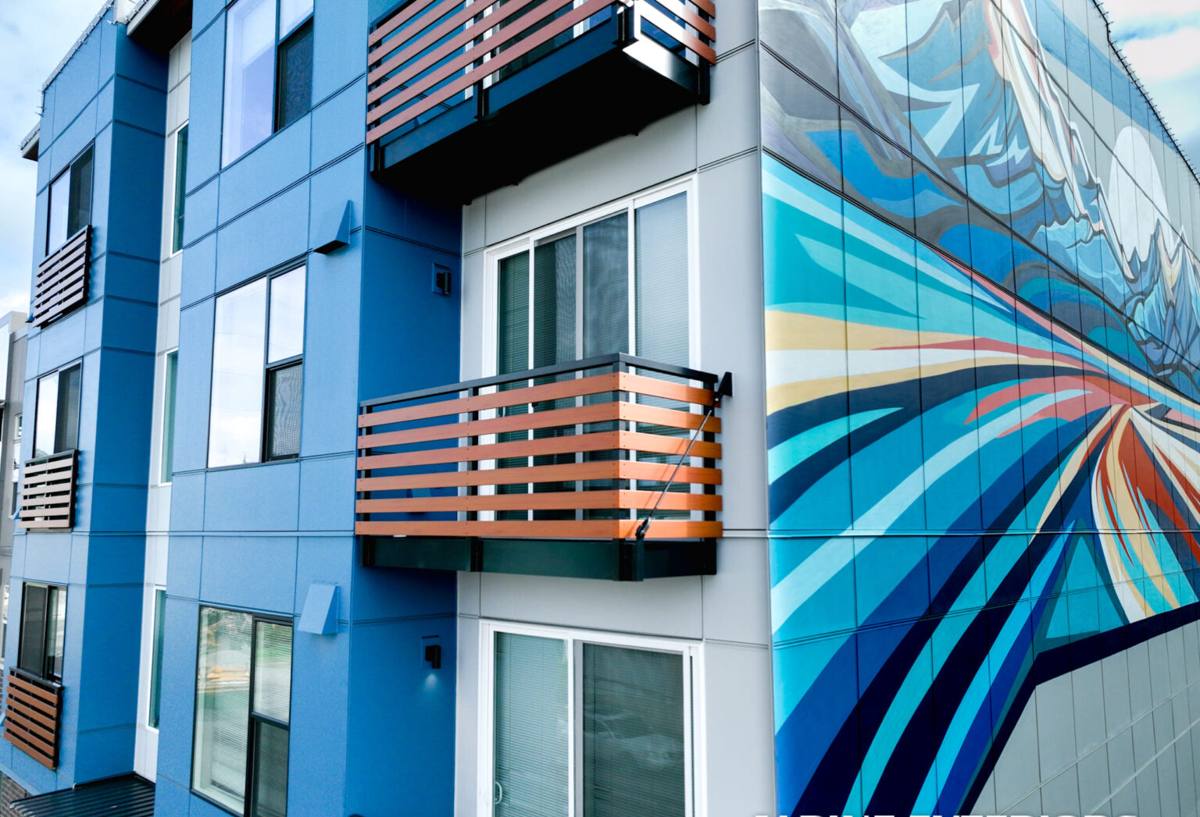
What Salt Air, Rain, and Moss Actually Do to a Window
Salt-Laden Air
Even set back from the shoreline, homes in this part of Skagit County get regular exposure to salt-carrying air. Over years, that air accelerates corrosion on hardware — hinges, locks, balance mechanisms, and screen frames — especially anything with exposed steel or lower-grade aluminum. It also breaks down cheaper finishes faster than a manufacturer's spec sheet would suggest.
Driving Rain
Wind-driven rain doesn't fall straight down — it gets pushed sideways into wall assemblies, testing every seam around a window opening. A window that's watertight in a light shower can still leak in a January storm if the flashing, sill pan, and sealant details weren't done correctly. Most water intrusion we find isn't a bad window; it's a window that was installed without proper flashing integration into the wall.
Moss and Sustained Moisture
The long, damp stretch of fall through spring keeps moss and algae established on north-facing walls, sills, and anywhere water sits instead of draining. On wood-trimmed windows, that sustained moisture is what leads to soft spots and paint failure. It's less dramatic than a leak, but it's steady, and it's exactly the kind of damage that goes unnoticed until a sill needs to be rebuilt.
Signs Your Current Windows Are Losing the Fight
- Fogging or a hazy film between the panes of a double-pane window — the seal has failed and the gas fill is gone
- Soft or spongy wood when you press on the sill or lower frame corners
- Visible gaps, cracked caulk, or daylight around the frame from inside
- Windows that are hard to open, close, or lock — often a sign the frame has shifted or hardware has corroded
- A noticeable draft or cold spot near the window even with it fully closed
- Moss or dark streaking building up on the sill or trim faster than the rest of the wall
- Rising heating bills with no other explanation — old or failed windows are a common culprit
Any one of these on its own isn't necessarily an emergency. Several at once, or a leak you can trace back to a window, is worth having looked at before it turns into trim or framing repair.
What a Correct Custom Window Job Actually Involves
"Custom" windows means the unit is built to fit your specific opening rather than forcing your home to match a stock size — common in older Skagit County homes where openings have settled or were framed to nonstandard dimensions. But the window itself is only part of the job. The installation detailing is what determines whether it performs for the next twenty years or leaks in three.
A correct installation includes:
- Removing the old unit and inspecting the framing, sill, and sheathing underneath for hidden rot or moisture damage before anything new goes in
- Repairing or rebuilding any damaged framing or sill material — never installing a new window over a compromised opening
- Installing a proper sloped sill pan so any water that gets past the window drains outward, not into the wall
- Integrating flashing correctly with the home's existing weather-resistive barrier, in the right shingled order, so water sheds down and out
- Shimming and squaring the unit precisely so it operates smoothly and seals evenly on all four sides
- Sealing and insulating the gap around the frame with the appropriate materials — not just a bead of caulk around the trim
- Finishing exterior trim and touch-up so the result looks intentional, not patched
Skip any of these steps and you can end up with a window that looks fine for a season or two but fails at the details that matter most in this climate.
Choosing Materials and Glass for This Climate
There's no single "best" window material — the right choice depends on your home's style, your budget, and how much upkeep you want to take on. Here's how the common options hold up against Skagit County's marine climate specifically.
| Material | How It Handles This Climate | Upkeep |
|---|---|---|
| Vinyl | Resists moisture and salt corrosion well; no painting needed | Low — occasional cleaning |
| Fiberglass | Very stable in temperature and moisture swings; strong long-term performer | Low |
| Wood (clad exterior) | Good look with exterior protection, but exposed wood trim details need attention | Moderate — watch for exposed edges |
| Aluminum | Prone to corrosion and condensation in salt-air, high-moisture settings unless specified for coastal use | Moderate to high |
On glass, we default to argon-filled double or triple-pane units with a low-E coating for this region — the goal is managing condensation and heat loss through a long, damp heating season rather than chasing extreme summer heat, which isn't really our climate's problem.
A Note on Hardware
Hardware is where corners get cut and it shows up fastest in salt air. We spec corrosion-resistant hardware — locks, hinges, balances — as a standard, not an upgrade, on homes in this area. It costs a little more up front and saves you a sticky, failing lock in five years instead of fifteen.
Our Process, Start to Finish
- Free on-site assessment. We look at your existing windows, check framing and sill condition where accessible, and talk through what you actually need versus what you don't.
- Honest recommendation. We'll tell you if a full replacement makes sense or if select units or repairs would solve the problem — we're not selling you more than the house needs.
- Custom measurement and ordering. Units are built to your actual openings, not adjusted to fit a stock size.
- Careful removal and inspection. Every opening gets checked for hidden moisture or rot before the new window goes in.
- Correct installation detailing. Sill pans, flashing integration, shimming, sealing, and insulation done in the right order, every time.
- Final walkthrough. We test operation, check the seal, and make sure everything is clean and finished before we consider the job done.
Maintenance That Actually Extends the Life of Your Windows
A properly installed window still benefits from a little seasonal attention, especially with what this climate throws at it.
- Rinse salt film and dust off glass and frames a few times a year, especially after storms
- Keep sills and tracks clear of moss, leaves, and debris so water can drain freely
- Check and refresh exterior caulking annually — sealant is a wear item, not a one-time fix
- Operate locks and hardware periodically so moving parts don't seize from disuse
- Watch for early signs of soft wood or paint failure on trim and address it before it spreads
- Keep gutters and downspouts clear so roof runoff isn't dumping extra water near window heads
Why Hiring a Crew That Already Works in Mount Vernon Matters
Window installation done to a generic standard can still fail here, because generic standards weren't written with sustained coastal moisture and driving rain in mind. A crew that regularly works Skagit County homes has already seen how local framing ages, where water tends to find its way in on this style of home, and which material and hardware choices actually hold up instead of just looking good on a spec sheet.
That familiarity shows up in small decisions during the job — how a sill pan gets detailed, how flashing gets sequenced with a particular type of siding, which hardware gets specified without being asked. It's the difference between a window that's installed and a window that's installed correctly for where it sits.
Get a Straightforward Estimate
If your windows in Mount Vernon are fogging, sticking, drafting, or just due for an honest look, we're happy to come take a look and give you a straight answer — no pressure, no upsell. Use the form below to request a free estimate and we'll get back to you to schedule a time.