 Anacortes Exterior
 Why Cap Sante Windows Wear Out Faster Than You'd Expect
Homes in the Cap Sante area sit close to the water, on a bluff and shoreline that catch wind straight off Rosario Strait and the marina below. That exposure is part of what makes the neighborhood desirable, but it's hard on building materials, and windows take more of that abuse than almost any other part of the house. Salt-laden air corrodes hardware, driving rain finds its way into gaps that would stay dry a mile inland, and the moss and mildew that thrive in this part of Skagit County settle into anything that holds moisture.
We've worked on enough homes in this pocket of Anacortes to know that a window that performs fine in a sheltered inland neighborhood can fail early here if it isn't specified and installed with the local exposure in mind. This page covers what that actually means — for the windows themselves, for the installation, and for how we approach the job.
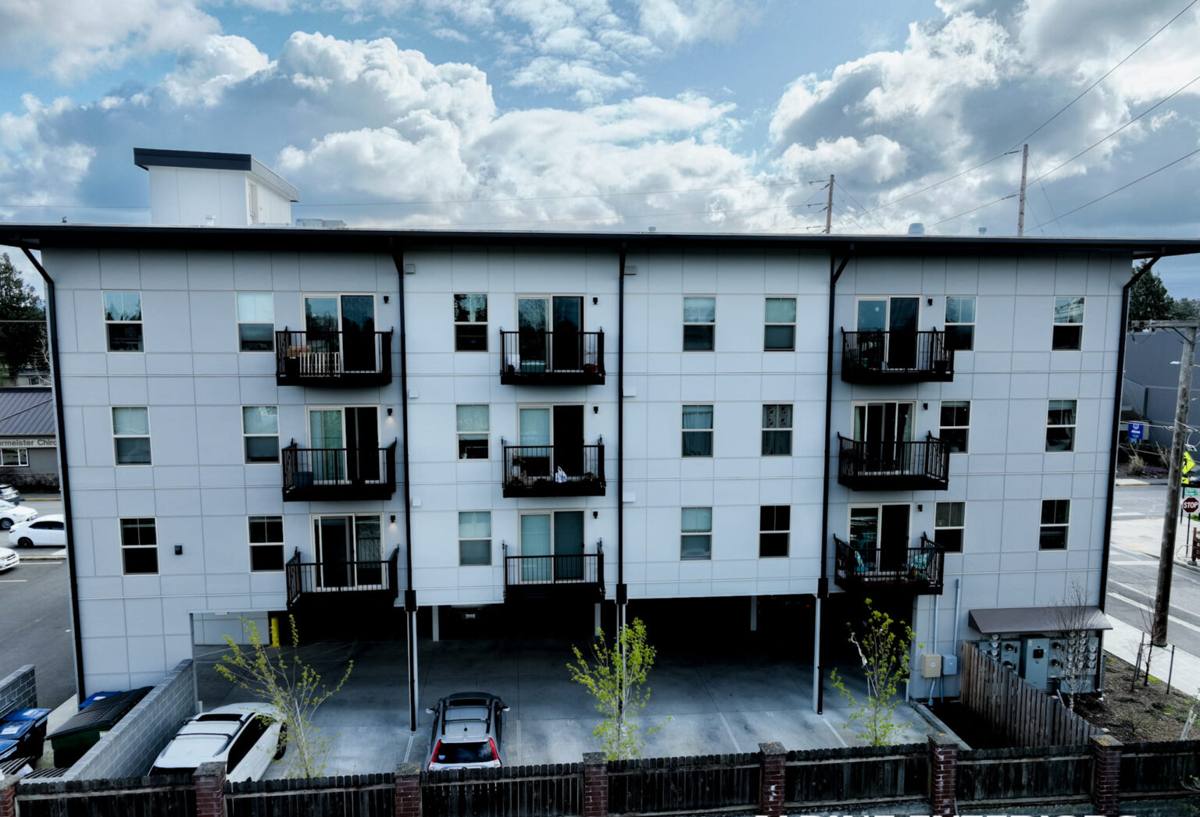
Signs a Cap Sante Home's Windows Are Losing the Fight
Salt air and wind-driven rain don't usually cause a dramatic failure. They cause a slow one, and homeowners often live with the early signs for a year or two before calling anyone. Watch for:
- Cloudy or fogged glass between the panes — a sign the seal has failed and moisture has gotten into the insulated glass unit
- Hardware (locks, cranks, hinges) that's stiff, corroded, or pitted, especially on windows facing the water or prevailing wind
- Soft or discolored wood at the sill or bottom corners, often with moss or dark staining starting to take hold
- Drafts or a cold band of air near the frame on windy days, even with the window fully closed and locked
- Paint or finish that's failing faster on window trim than on the rest of the siding
- Difficulty opening or closing — frames swelling with moisture or warping slightly out of square
Any one of these on its own might just need minor repair. Two or three together, especially on a window over ten or fifteen years old, usually means replacement is the more honest answer than another round of caulk and touch-up paint.
What a Correct Window Replacement Actually Involves
Swapping a window is easy to describe and easy to do badly. The parts that actually determine whether a window lasts in a marine climate are mostly invisible once the job is done:
Flashing and Water Management
The single biggest cause of early window failure near the water isn't the window itself — it's water getting behind it. Correct flashing means integrating the window's flanges with the house's weather-resistive barrier in the right order (bottom to top, like shingles) so any water that does get past the glazing or trim drains back out of the wall instead of soaking into the framing. On a home exposed to driving rain off the strait, this step matters more than the brand of window you choose.
Sill Pan Protection
A sill pan under the window opening gives any water that does intrude a dedicated path back outside instead of a path into the wall cavity below. It's a small, inexpensive detail that we treat as standard, not an upgrade — it's one of the cheapest forms of insurance against rot in a house exposed to this much moisture.
Air Sealing at the Rough Opening
Gaps between the window frame and the rough opening need to be sealed with a material that stays flexible through temperature swings and doesn't compress permanently over time. Standard canned foam that's overfilled or the wrong type can actually bow window frames out of square, which then causes the sash to bind or fail to seal properly.
Hardware and Fastener Selection
In a salt-air environment, standard steel fasteners and hardware corrode faster than they would even a few miles inland. We use corrosion-resistant fasteners and hardware rated for coastal exposure, because replacing a window only to have the screws rust through in a few years defeats the purpose.
Choosing Materials That Actually Hold Up to This Climate
There's no single "best" window material for every home — it depends on your budget, your home's style, and how exposed a particular wall is. Here's how the common options actually perform under salt air and heavy rain:
| Frame Material | Salt Air Resistance | Maintenance | Notes for Cap Sante |
|---|---|---|---|
| Vinyl | Good — won't corrode or rust | Low | Reliable, budget-friendly choice; quality varies a lot between manufacturers |
| Fiberglass | Excellent — very stable, resists warping | Low | Handles temperature and moisture swings well; higher upfront cost |
| Aluminum | Fair — can corrode without proper coating | Moderate | Thermally less efficient unless thermally broken; less common for residential retrofits here |
| Wood (unclad) | Poor without diligent upkeep | High | Beautiful, but the exterior face takes the full brunt of salt and rain — needs regular refinishing |
| Wood, clad exterior | Good on the exterior face | Low to moderate | Wood interior warmth with a protected exterior; a common compromise choice |
Where a home is fully exposed to wind off the water, we generally steer homeowners toward vinyl or fiberglass, or a clad-exterior wood window if the look matters more than minimizing upkeep. It's not that other materials can't work — it's that they ask more of the homeowner in ongoing maintenance, and that's a trade-off worth being upfront about before you buy.
Glass Packages That Make Sense Here
Glass performance matters as much as frame material in this climate. A few things worth understanding before you shop:
- Low-E coatings reduce heat loss and help cut glare off the water without changing how clear the glass looks
- Argon or krypton gas fill between panes improves insulation value, which matters through the region's long wet, cool season
- Impact-resistant or laminated glass is worth considering on walls that take direct wind-driven rain and debris, though it's an added cost most homes don't strictly need
- Warm-edge spacers (instead of older metal spacers) reduce condensation at the edge of the glass, which is where fogging and seal failure usually start first
Our Process, Start to Finish
We keep the process straightforward and try not to leave a homeowner guessing about what happens next:
- On-site assessment — we look at each window's exposure, current condition, and any signs of water intrusion or rot before recommending anything
- Honest measure and quote — accurate measurements and a written quote that spells out materials, glass package, and what's included in the install
- Scheduling around the weather — we plan installs for stretches of manageable weather where possible, since an open rough opening needs protection if rain moves in
- Removal and inspection of the opening — once the old window is out, we check the framing and sill for hidden rot or moisture damage before installing anything new
- Flashing, sill pan, and window installation — done in the sequence that actually sheds water, not just what's fastest
- Interior and exterior finish work — trim, caulking, and touch-up so the job looks finished inside and out
- Final walkthrough — we check operation, seals, and locks with you before calling the job done
What Affects the Cost of a Window Replacement Here
Every home is different, so we won't quote a number without seeing the job, but these are the factors that typically move the price up or down:
| Factor | Why It Matters |
|---|---|
| Frame material and brand | Vinyl, fiberglass, and clad wood carry different material costs |
| Glass package | Low-E coatings, gas fill, and impact-resistant glass add cost but also performance |
| Number and size of windows | Larger openings and full-house projects have better per-window pricing than one-off replacements |
| Condition of the rough opening | Hidden rot or water damage found during removal adds repair time before the new window goes in |
| Access and site conditions | Second-story or hard-to-reach windows take longer to stage and install safely |
| Trim and finish work | Matching existing interior trim or exterior details adds labor |
As a general rule, homeowners should expect a wide range depending on these factors — we'd rather walk your home and give you real numbers than throw out a figure that doesn't hold up once we see the actual openings.
Moss, Mildew, and the Long Wet Season
Skagit County's moss season isn't a minor seasonal nuisance for windows — it's a year-round maintenance factor. Moss and algae hold moisture against sills and trim long after a rain has passed, which is exactly the condition that breaks down old caulk, softens wood, and keeps corrosion-prone hardware wet. A correctly installed, well-sealed window with the right frame material resists this far better than an older window with failing seals and bare wood trim. Where we're replacing windows on a wall that gets heavy moss buildup, we'll flag it and talk through whether trim material or gutter/drainage adjustments nearby would help protect the new windows longer.
A Quick Checklist Before You Hire Anyone
- Ask whether they flash and sill-pan every window, or only "as needed" — it should be standard, not an upsell
- Confirm what fastener and hardware grade they use, given the coastal exposure
- Get the glass package and gas fill specified in writing, not just "energy efficient windows"
- Ask how they handle discovering rot or water damage once the old window is removed
- Check that pricing includes interior and exterior trim and finish work, not just the window unit
- Ask about warranty coverage on both the window itself and the installation labor
Why Local Experience in This Neighborhood Matters
A contractor who mostly works inland doesn't always think about flashing sequence, hardware corrosion, or sill drainage the same way — because those details matter less where the weather is gentler. Working regularly in and around Anacortes and Cap Sante means we're used to sizing up which walls take the worst of the wind and rain, which materials actually hold up here versus on paper, and how to schedule and stage a job around Skagit County's wetter months without leaving an opening exposed. That's not a marketing point — it's just what repeat exposure to this specific climate teaches a crew over time.
If your windows are showing their age, or you just want an honest read on whether repair or replacement makes more sense for your home, we're happy to take a look. Reach out below for a free, no-pressure estimate — we'll walk the property, answer your questions, and give you a straight answer either way.